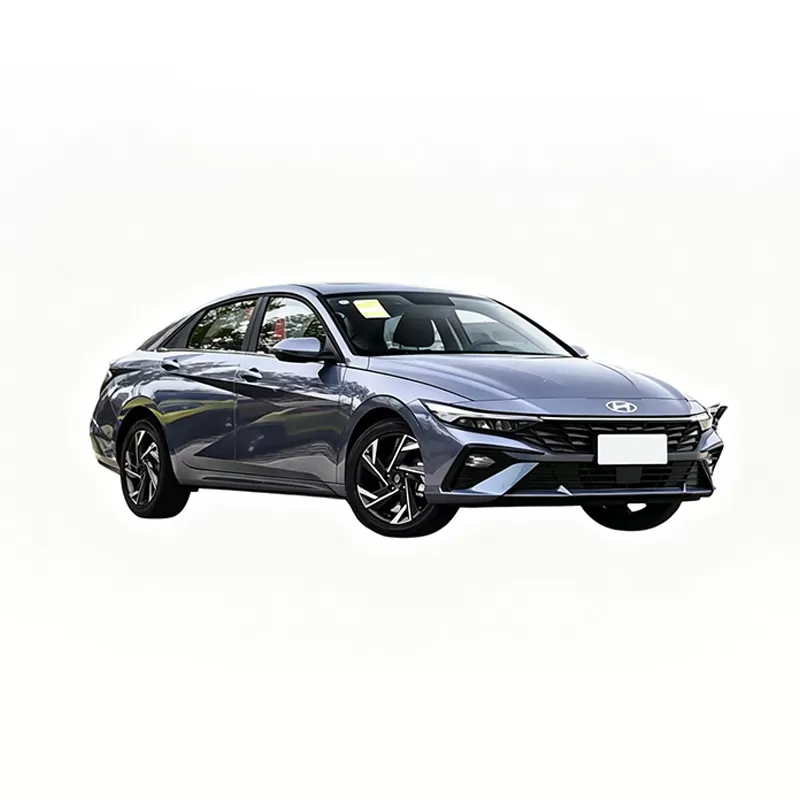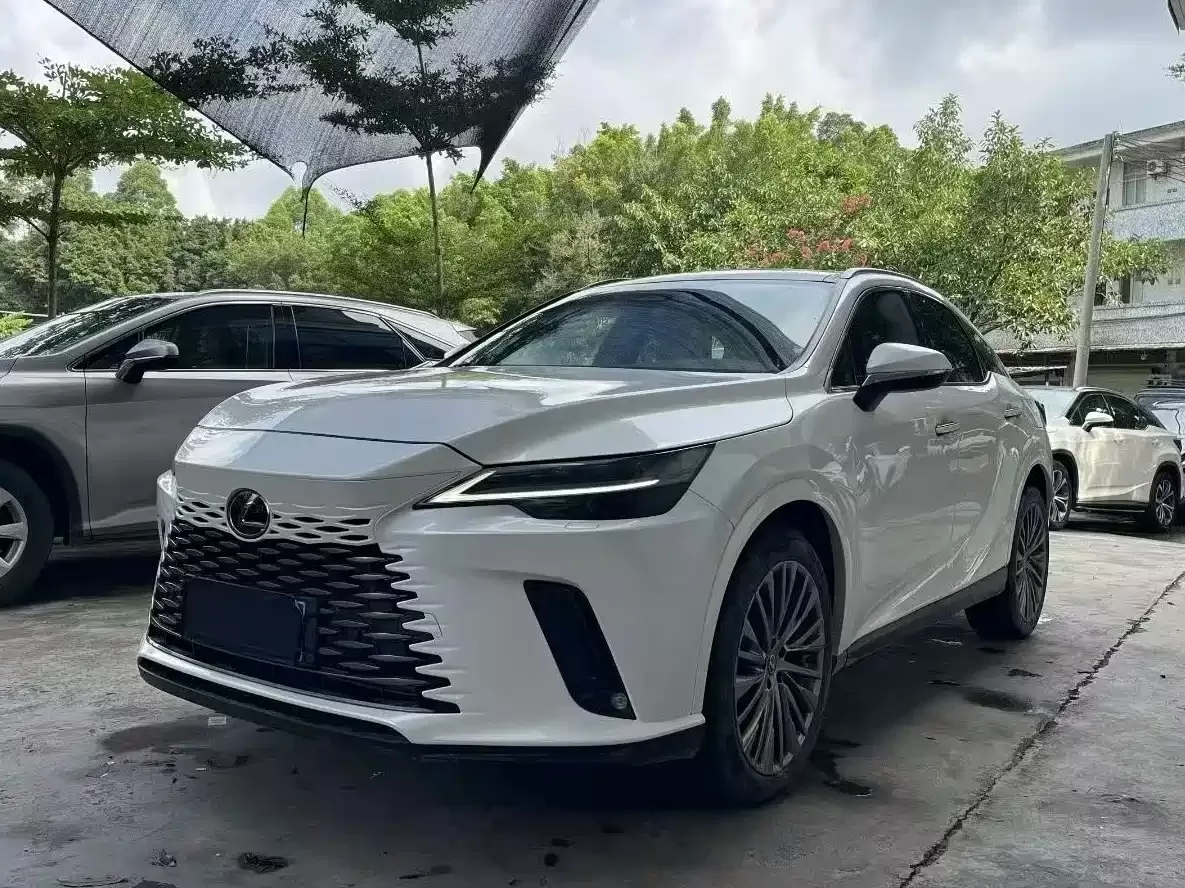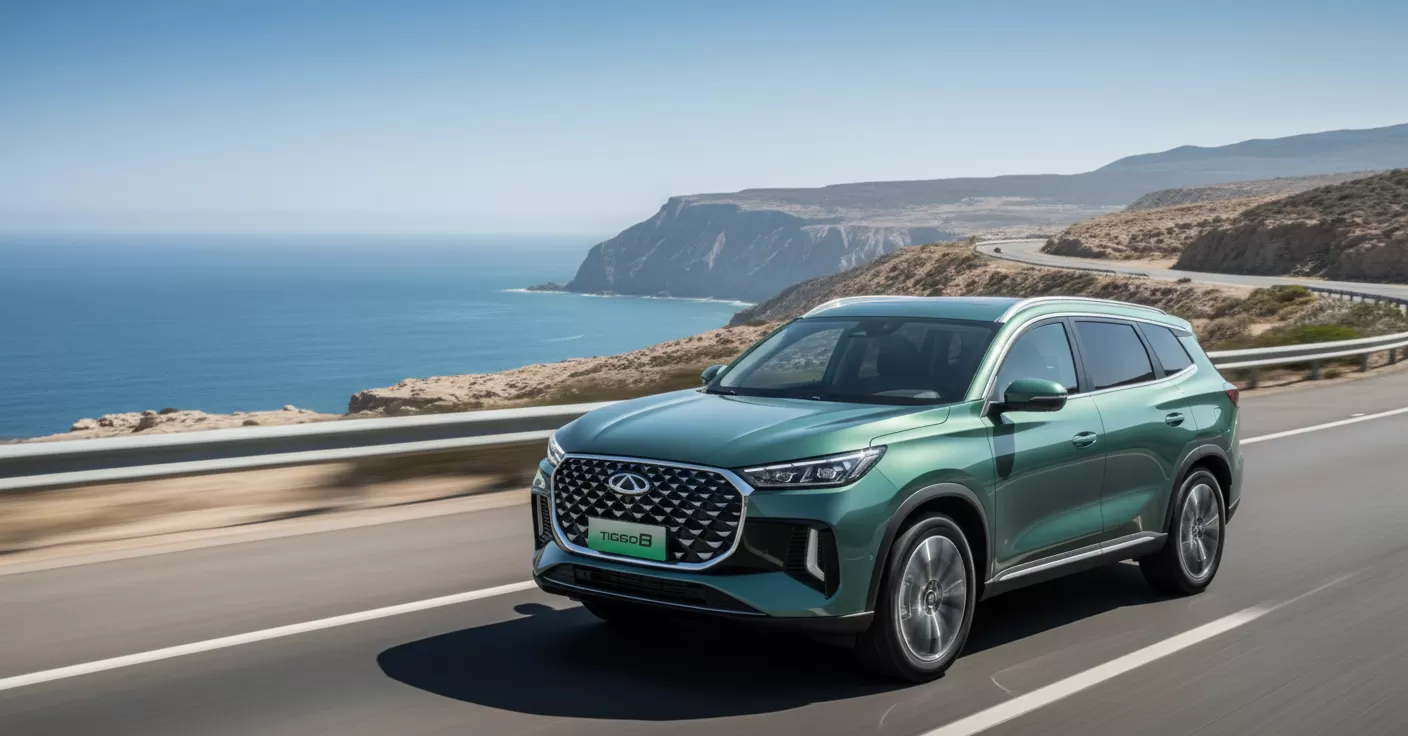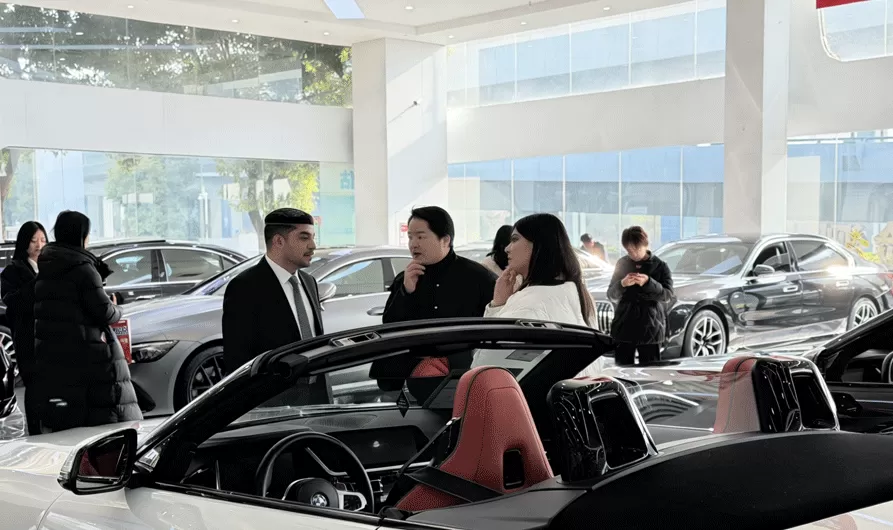
Walk into a dealership today in parts of the Middle East, Africa, Eastern Europe, or even Australia, and the comparison is becoming difficult to ignore.
On one side, you have long-established brands with decades of reputation behind them. On the other, a growing number of Chinese electric and hybrid vehicles entering the market at almost half the price.
What surprises many buyers is not simply the lower cost.
It’s that the cheaper vehicle often feels more advanced.
For years, consumers accepted a trade-off: established brands offered quality, while lower-priced alternatives meant compromise. That assumption is starting to break down.
In many cases, Chinese EVs now offer larger screens, quieter cabins, better standard equipment, more aggressive software integration, and significantly lower ownership costs — while legacy manufacturers continue pushing higher prices on increasingly conservative products.
The global market is beginning to realize that affordability and product quality are no longer mutually exclusive.
Skepticism toward Chinese vehicles is not unique.
The automotive industry has seen this cycle before.
Japanese manufacturers faced similar criticism in the 1970s and 1980s. Korean brands experienced it again in the early 2000s. At the time, both were often dismissed as low-quality alternatives that would never seriously compete with established Western automakers.
Yet over time, engineering improved, manufacturing matured, and consumer perception eventually caught up.
Chinese brands are now moving through the same transition — but at a much faster pace.
The difference is that today’s Chinese manufacturers are entering the market during a global shift toward electrification, software-defined vehicles, and supply-chain restructuring. That timing matters.
Unlike traditional automakers that must adapt legacy systems to the EV era, many Chinese companies were built specifically for it.
The biggest misunderstanding about Chinese EV competitiveness is the assumption that it comes only from low labor costs.
That explanation is outdated.
The real advantage is vertical integration.
Companies such as BYD control large parts of their own supply chain, including batteries, electronics, motors, and software systems. This dramatically reduces dependency on third-party suppliers and lowers production costs across the entire vehicle platform.
Battery economics are especially important.
Industry analysts increasingly estimate that leading Chinese manufacturers are producing battery packs at significantly lower costs per kWh than many Western competitors. In a modern EV, that difference alone can reshape the final retail price.
At the same time, Chinese manufacturers benefit from:
l faster factory construction timelines
l dense supplier ecosystems
l lower logistics friction
l integrated industrial zones
l large-scale domestic demand
Together, these advantages create a pricing structure that traditional manufacturers are struggling to match without sacrificing margins.
For many legacy brands, the challenge is structural rather than temporary.
Fifteen years ago, Chinese vehicles regularly failed international crash tests and faced serious concerns around build quality.
That perception is increasingly outdated.
Recent Euro NCAP and ANCAP results show that many newer Chinese models now achieve competitive safety ratings alongside established global brands.
This reflects major progress in:
l structural engineering
l passive safety systems
l battery protection
l chassis development
l manufacturing consistency
However, the next stage of competition is moving beyond crash performance alone.
As vehicles become more software-driven, the industry is entering a new phase where functional safety, system redundancy, and long-term software reliability become equally important.
This is an area where all automakers — not only Chinese brands — are still evolving.
Consumers are no longer evaluating only engines and transmission quality. They are increasingly evaluating user interfaces, OTA updates, driver-assistance systems, and digital ecosystem stability.
The definition of “vehicle quality” itself is changing.
One of the most important global changes happening in the auto industry is psychological rather than technical.
Consumers are becoming more willing to trade historical brand prestige for practical value.
In previous decades, the logo on the hood carried enormous weight. Today, younger buyers are often more interested in:
l technology
l interior experience
l charging capability
l infotainment systems
l operating cost
l warranty value
This is especially visible in emerging markets, where buyers are highly price-sensitive but still expect modern features.
A growing number of Chinese brands understand this dynamic extremely well.
Some manufacturers have borrowed heavily from European luxury design language, while others have experimented with futuristic styling and highly digital interiors. Not every attempt succeeds, but the overall direction is clear: Chinese automakers are no longer trying to imitate global brands at the low end of the market.
They are trying to redefine value expectations altogether.
What many consumers never see is the infrastructure supporting this global expansion.
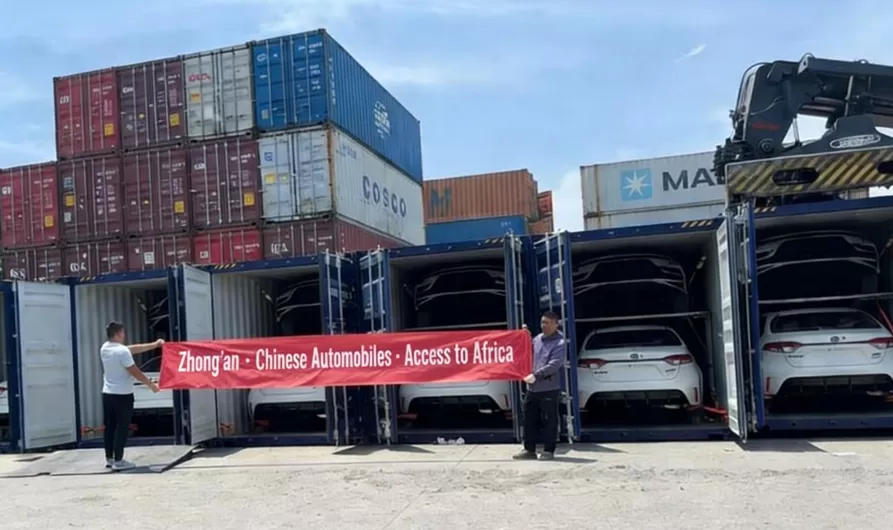
Behind the rapid growth of Chinese vehicle exports is an increasingly sophisticated international logistics ecosystem.
Specialized export groups and trading companies now provide end-to-end solutions that combine:
l vehicle sourcing
l export documentation
l customs clearance
l multi-modal transportation
l overseas delivery coordinatio
l local compliance support
This infrastructure allows Chinese manufacturers to scale internationally far faster than many observers expected.
In many regions, the export ecosystem itself has become a competitive advantage.
Companies with integrated logistics capabilities can reduce delivery times, lower operational risk, and simplify the import process for overseas dealers and distributors.
For global buyers, convenience is becoming just as important as pricing.
The growing use of tariffs and import restrictions on Chinese EVs reveals an uncomfortable reality for many traditional markets.
Protectionism usually appears when a product becomes genuinely competitive.
If Chinese EVs were fundamentally unviable products, large-scale tariff barriers would not be necessary to slow their expansion.
The challenge for legacy automakers is that Chinese manufacturers are competing on multiple levels simultaneously:
l pricing
l technology integration
l manufacturing scale
l battery supply
l product refresh speed
l feature density
This creates pressure that cannot easily be solved through branding alone.
In some markets, tariffs may slow adoption temporarily. But globally, demand for affordable EVs continues growing, particularly in regions where consumers prioritize value over historical brand loyalty.
The most important shift may already have happened quietly.
Consumers are starting to ask a different question.
Not:
“Can Chinese cars reach global standards?”
But:
“Why are established brands charging significantly more for less technology?”
That question would have been difficult to imagine a decade ago.
Today, it is becoming increasingly common.
The global automotive market is entering a new competitive era where manufacturing efficiency, supply-chain integration, and software capability matter just as much as heritage.
For buyers, the result is simple:
If a vehicle delivers stronger features, lower operating costs, and modern technology at a substantially lower price, the badge alone becomes harder to justify as a premium.




























 EN
EN