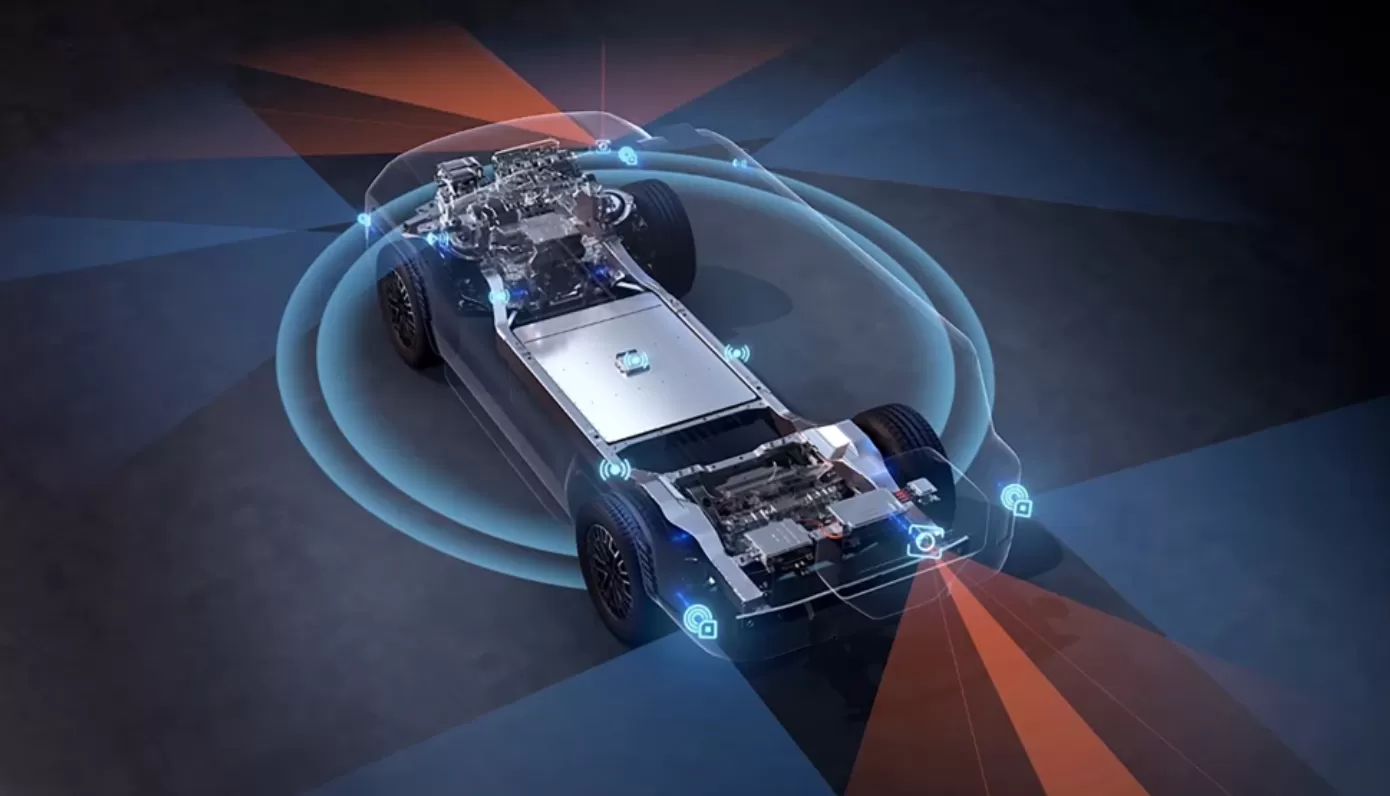
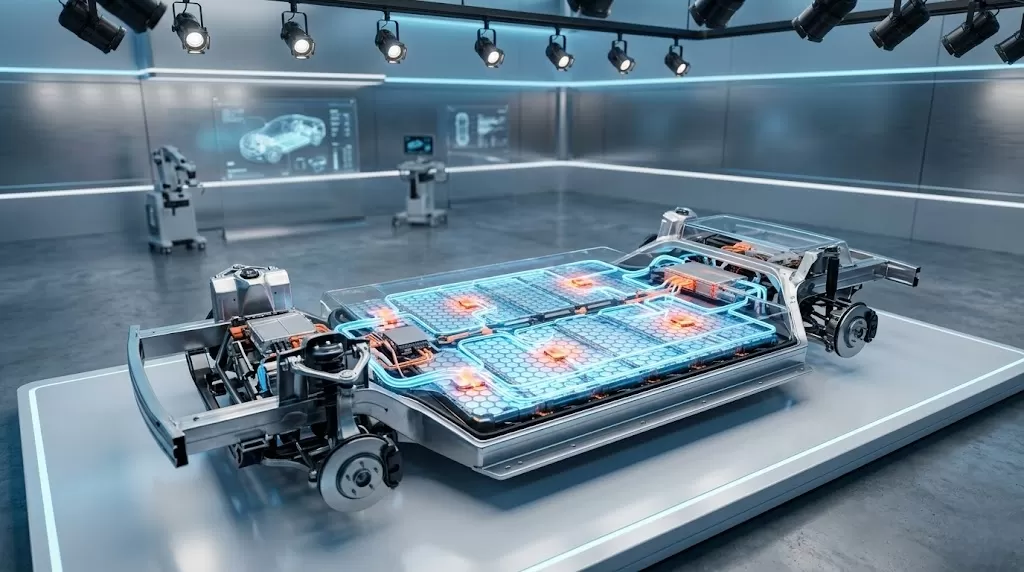
As the global automotive landscape shifts toward electrification, Chinese manufacturers—led by giants like BYD—are driving the forefront of EV innovation. However, a recent technical study highlighted a critical thermal gap in BYD's megawatt charging system: while hotspot temperatures reached 76°C, the vehicle's Battery Management System (BMS) reported a cooler 71°C.
For international car dealers, fleet managers, and import businesses looking to buy cars from China, understanding this 5°C–6.5°C variance is vital. Is it a dealbreaker, or just part of the fast-charging evolutionary curve? Let’s dive into what this means for safety, performance, and your import strategy.
The Critical Role of Thermal Management in EV Imports
The Technical Reality of Fast Charging
Thermal management dictates an electric vehicle’s efficiency, lifespan, and safety. When high-capacity charging occurs, uneven heat distribution can create localized "hotspots." The observed disparity in BYD’s testing indicates that standard BMS sensors may not always catch the absolute peak temperature of every single cell in real-time.
Why This Matters for International Buyers
If you are importing Chinese electric vehicles to regions with extreme climates—such as the Middle East, Africa, or parts of Southeast Asia—battery cooling is your number one priority. A 6.5°C blind spot under extreme megawatt charging could lead to:
Faster battery degradation over time.
More frequent triggering of vehicle safety limp-modes during summer.
Higher demands on the vehicle's active liquid cooling infrastructure.
Expert Insight: Despite this thermal gap, BYD's Blade Battery (LFP chemistry) remains one of the safest on the global market, inherently less prone to thermal runaway than traditional NMC cells.
BYD vs. Competitor Markets: A Quick Comparison
When sourcing from a China auto export dealer, it helps to know how Chinese EV tech stacks up against traditional automotive giants:
| Feature / Region | China (BYD, Zeekr, etc.) | Japan (Toyota, Nissan) | Europe (VW, BMW) |
| Charging Speed | Ultra-Fast / Megawatt Ready | Moderate / Conservative | Balanced |
| Battery Chemistry | Dominant in LFP (High Safety/Cycle) | Traditional Li-ion / Solid-State R&D | Primarily NMC (High Density) |
| Pricing Edge | Highly Competitive ($20k - $50k) | Premium Pricing | Premium / High Import Tariffs |
| Lifecycle focus | Rapid Tech Iteration | Long-term Reliability | Recycling & Sustainability |
While European and Japanese OEMs prioritize highly conservative safety buffers (often sacrificing charging speed), BYD pushes the boundaries of rapid charging infrastructure. For international buyers, China offers the best balance of cutting-edge tech and high profit margins.
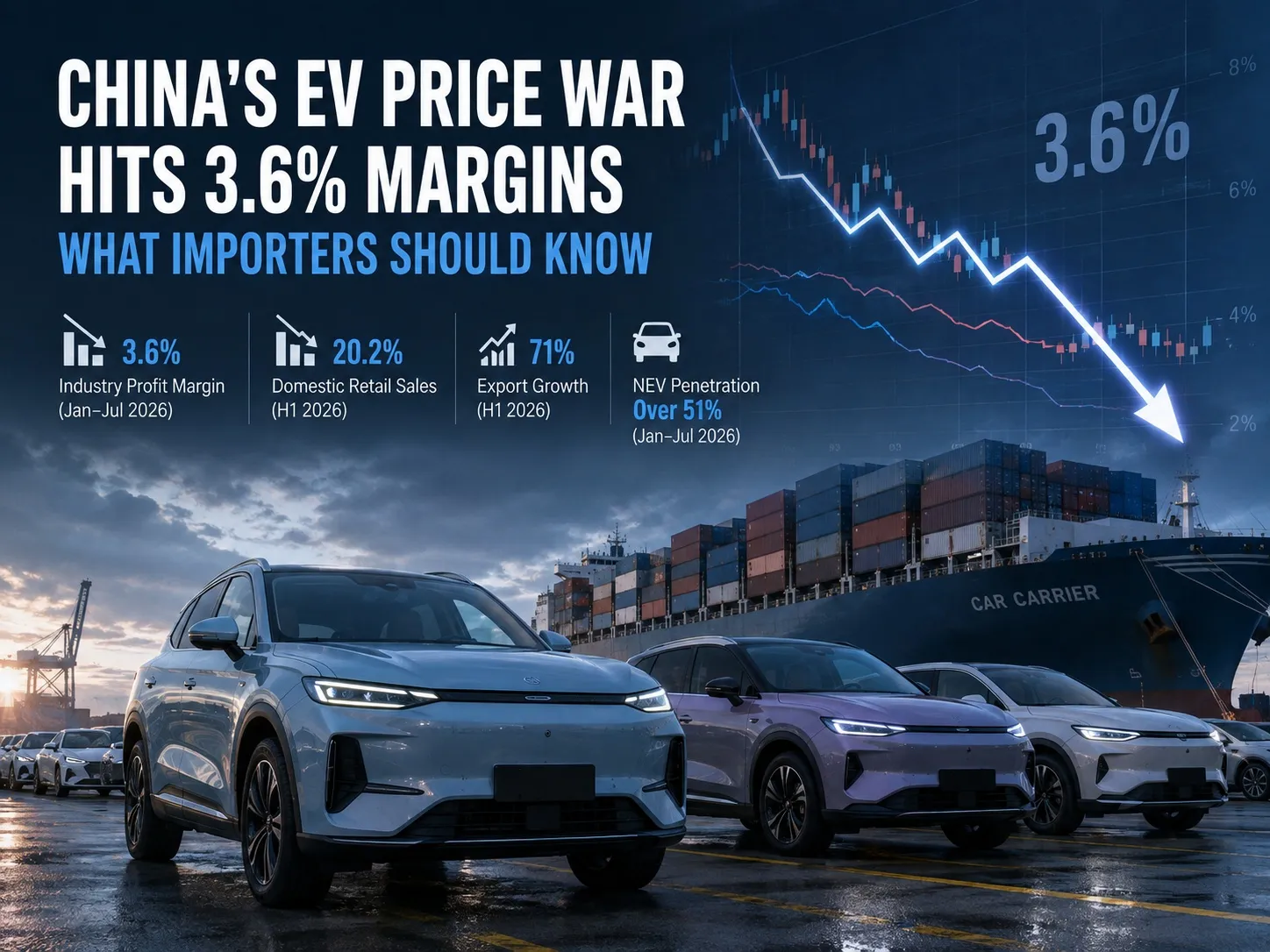
Market Trends: Capitalizing on the Chinese EV Export Boom
The global electric vehicle market is projected to grow at a compound annual growth rate (CAGR of 22.6%), with Chinese manufacturers leading the charge.
Competitive Pricing Strategy
The price of new cars from China gives international dealers an undeniable edge. BYD’s diverse lineup spans from budget-friendly city commuters around $20,000 to premium intelligent SUVs exceeding $50,000. This price-to-feature ratio is unmatched by Western or Japanese counterparts, making Chinese EVs highly lucrative for regional distribution.
Practical Checklist for Importing EVs from China
Navigating the logistics of sourcing cars from China requires a strategic approach. Ensure your import business checks the following boxes:
Verify Regional Regulations: Ensure the vehicles comply with your local market's compliance standards (e.g., GCC certification for the Middle East, E-Mark for Europe, or local ADRs).
Assess Local Charging Infrastructure: Ensure your target market can support the charging protocols (GB/T standard vs. CCS1/CCS2 converters).
Partner with a Reliable Exporter: Sourcing through a licensed, reputable China auto export dealer guarantees that customs clearance, battery shipping compliance (Class 9 hazardous goods), and logistics are handled flawlessly.
Conclusion: Is Importing BYD Vehicles a Smart Move?
The minor thermal gap discovered in BYD’s megawatt charging tests underscores that EV technology is continuously evolving. However, it does not diminish the immense value, safety record, and market demand for BYD's vehicle lineup. For international buyers, the momentum behind Chinese EV exports represents a massive commercial opportunity.
By partnering with the right sourcing experts, you can navigate technical nuances, secure competitive pricing, and smoothly scale your local EV dealership.
Frequently Asked Questions (FAQ)
1. Does the thermal gap mean BYD batteries are unsafe?
Not at all. The variance was observed during extreme, high-output megawatt charging tests. BYD’s Blade Battery utilizes Lithium Iron Phosphate (LFP) chemistry, which possesses a significantly higher thermal runaway threshold compared to standard lithium batteries.
2. Can Chinese EVs be charged on international charging networks?
Yes, but they typically require an adapter or factory configuration. China uses the GB/T standard. Most export dealers can assist in sourcing high-quality GB/T to CCS1, CCS2, or Type 2 adapters depending on your country's grid.
3. How are shipping costs calculated for EV imports from China?
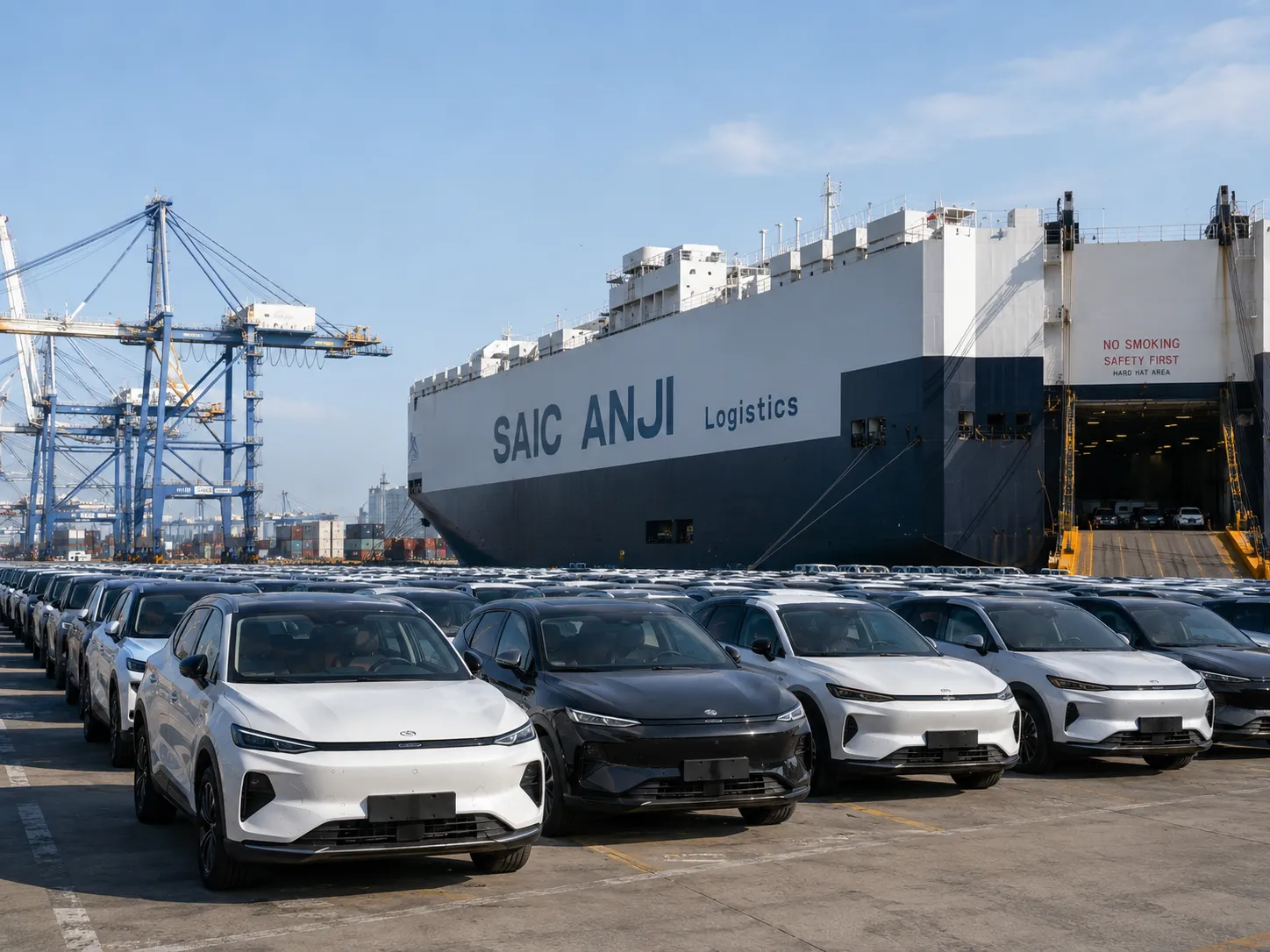
EV shipping requires specialized Ro-Ro (Roll-on/Roll-off) vessels or specialized container shipping due to international maritime laws regarding large lithium-ion batteries.
Partner With a Trusted China Auto Export Expert
Looking to source the latest BYD models or alternative electric vehicles from China? We handle the entire procurement, quality inspection, and export logistics process for you.
[Contact Our Sales Team Today for a Free Quote and Catalog!]
Zhongan TikTech (Anhui) Co., Ltd.
Zhongan TikTech (Anhui) Co., Ltd., a Conch Group SOE, exports quality new & used vehicles globally with 40+ years' foreign trade expertise.

 EN
EN
 fr
fr  es
es  ru
ru  pt
pt