Used Toyota cars remain one of the most commercially dependable vehicle categories for international importers, independent dealers, rental operators and fleet buyers. The brand combines broad global recognition, practical model coverage, established maintenance knowledge and comparatively strong resale demand. Toyota Motor Corporation reported approximately 10.8 million group vehicle sales in 2024, illustrating the scale of the worldwide vehicle base that supports parts availability, technician familiarity and buyer confidence.
However, a recognizable badge does not automatically make every used vehicle a good export purchase. Profit depends on buying the correct model and specification, verifying the vehicle history, inspecting the physical condition, calculating the full landed cost and confirming that the car can be registered in the destination market. A low purchase price can quickly become uncompetitive when it is followed by hidden accident repairs, missing export documents, unsuitable emissions specifications or expensive destination charges.This guide explains how professional buyers can source used Toyota cars from China with a structured, repeatable process. It covers supplier qualification, model selection, inspection standards, landed-cost calculation, documentation control and the practical value of working with an experienced export partner such as Zacarmate. It is designed for buyers purchasing one trial vehicle, a mixed dealer order or a repeat fleet shipment.
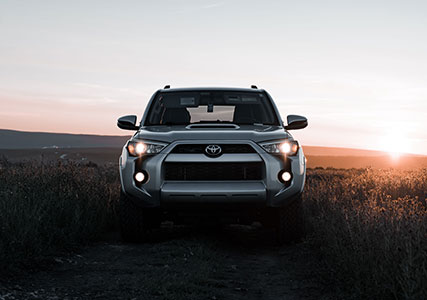
How to Source High-Quality Used Toyota Cars from China
Sourcing high-quality used Toyota cars from China means verifying market compliance, vehicle identity, ownership records, physical condition, commercial terms and export documentation before payment and shipment.The most effective sourcing process begins with a written purchasing specification rather than a request for “cheap Toyota cars.” A professional request should state the target country, preferred Toyota models, model years, acceptable mileage, fuel type, transmission, steering position, budget range, quantity, color preferences and required vehicle condition. It should also identify whether the buyer accepts repaired vehicles, repainted panels, former commercial use or minor cosmetic defects.
1. Define the destination-market requirements first
Import rules differ substantially between countries. Before requesting quotations, confirm the maximum permitted vehicle age, left-hand-drive or right-hand-drive requirements, emissions rules, engine-size taxes, inspection rules, prohibited damage categories, required certificates and customs valuation method. A Toyota Camry that is attractive for one market may be commercially unsuitable in another because of age restrictions, engine displacement duties or unavailable homologation data.Dealers should also confirm local customer preferences. Some markets favor simple gasoline sedans with conventional automatic transmissions, while others have growing demand for hybrid Toyota models. Fleet operators may prioritize standardized trim levels, common tire sizes and low-complexity interiors. Rental companies may prefer younger vehicles with complete service histories and widely available replacement parts. These requirements should be converted into measurable acceptance criteria before sourcing begins.
2. Select an exporter with verifiable operating capability
A credible exporter should be able to identify its legal business entity, physical office, export experience, quotation terms, inspection process and documentation workflow. Buyers should avoid choosing a supplier only because it sends the lowest price through a messaging app. Ask who owns the vehicle during the transaction, who receives payment, where the car will be inspected, which company appears on the export documents and who is responsible if the delivered specification differs from the contract.Zacarmate provides international buyers with a structured vehicle-sourcing and export channel from China. Buyers can review available used Toyota cars and submit a specification for vehicles that are not yet listed. This is particularly useful for dealers that need multiple model years, trim levels or price bands rather than a single retail-style vehicle.
3. Verify the vehicle identity before discussing condition
Every shortlisted vehicle should be matched to its identification documents. Modern vehicles generally use a 17-character vehicle identification number, or VIN. The VIN shown on the windshield, body plate and documents should be consistent. Buyers should request clear photographs of the VIN, registration information, odometer, dashboard warning lights, engine bay and manufacturer labels.VIN verification helps confirm the manufacturer, model characteristics and production information, but it does not replace a full history investigation. The exporter should also verify legal ownership, registration status, finance or lien risks where applicable, major insurance records, theft records and whether the vehicle can legally complete the export procedure. A mismatch between the physical VIN and paperwork is an immediate rejection point.
4. Request a standardized evidence package
Remote buyers should not rely on ten attractive exterior photographs. A useful evidence package normally includes at least 40 to 80 high-resolution photos plus a continuous walk-around video. The images should show every body panel, panel gaps, roof, underbody areas, wheels, tires, windshield, lamps, seats, headliner, cargo area, engine bay, fluid condition, dashboard, odometer and all visible defects.For higher-value orders, request cold-start video, idle sound, acceleration and braking footage, steering operation, air-conditioning performance, power-window operation, infotainment functions, reverse camera, parking sensors and diagnostic scan results. Hybrid Toyota models require additional attention to battery-related warnings, cooling systems, charging behavior where relevant and model-specific diagnostic data.
5. Separate cosmetic condition from structural and mechanical condition
Minor scratches, stone chips and interior wear can often be budgeted and repaired. Structural distortion, flood exposure, fire damage, airbag deployment and serious corrosion can create safety, registration and resale problems. The inspection report should clearly distinguish cosmetic refurbishment from accident repair. Paint-thickness readings across multiple panels can help identify repainting, filler and panel replacement, but they must be interpreted alongside welds, seams, bolts and chassis alignment.Mechanical checks should cover engine starting, idle stability, leaks, smoke, cooling, transmission engagement, suspension noise, steering play, braking, battery condition, tires, lights and electronic systems. For a gasoline Toyota, the buyer should look for abnormal oil consumption indicators, cooling-system contamination and transmission behavior. For a hybrid Toyota, the inspection should include the hybrid system, battery cooling path, fault codes and actual road performance rather than depending only on dashboard status.
6. Use written acceptance standards and a rejection process
A purchase contract should define the exact vehicle, VIN, model year, mileage tolerance, condition grade, included accessories, number of keys, tire standard, documentation, price basis and delivery term. It should state what happens if the vehicle fails inspection or materially differs from the agreed specification. For batch orders, the contract should allow individual vehicles to be rejected without delaying the entire shipment.Importers can reduce disputes by using a simple traffic-light decision system. Green items are acceptable without repair. Yellow items are accepted only with a disclosed repair cost or price adjustment. Red items cause rejection. Typical red items include VIN inconsistency, structural damage beyond the agreed limit, flood evidence, missing ownership documents, non-functioning safety systems and odometer discrepancies.
7. Start with a controlled trial order
A first transaction should test the complete process: response quality, vehicle evidence, inspection accuracy, payment handling, export documentation, port delivery and communication after shipment. A trial order may contain one vehicle or a small mixed batch. The objective is not only to earn margin on the first shipment, but to determine whether the supplier can support repeat purchasing with consistent standards.After the trial, record the actual purchase cost, reconditioning cost, inland logistics, port charges, shipping time, destination clearance cost, repair expense and days-to-sale. This creates a model-specific sourcing database. Over several shipments, the buyer can identify the Toyota models, ages and mileage bands that produce the best combination of gross margin, sales speed and low warranty risk.
Best Used Toyota Models for Importers, Dealers and Fleet Buyers
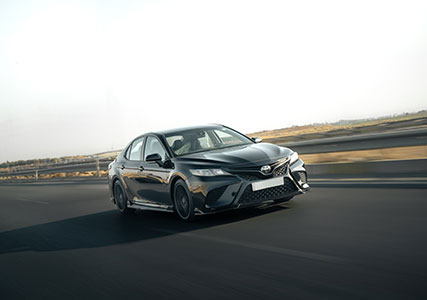
The best used Toyota models are those that combine local customer demand, suitable specifications, predictable maintenance, strong parts support and a landed cost that leaves enough margin for resale or fleet operation.Toyota offers sedans, compact SUVs, larger SUVs, MPVs and hybrid vehicles across a wide range of price points. The correct choice depends on the destination market and buyer type. Dealers normally need fast-moving models with recognizable names. Fleet operators need consistent specifications and operating costs. Importers serving developing markets may prioritize mechanical simplicity, while urban markets may value fuel-efficient hybrids and compact crossovers.
| Toyota Model or Model Family | Typical Body Type | Best Buyer Profile | Main Commercial Advantages | Key Inspection or Market Watch-Outs |
|---|
| Corolla / Levin | Compact sedan | Dealers, taxi fleets, company fleets | Broad name recognition, practical fuel economy, familiar maintenance and strong mass-market demand | Check former ride-hailing use, interior wear, suspension condition, odometer consistency and local recognition of China-market trim names |
| Camry | Midsize sedan | Dealers, executive fleets, rental companies | Comfort, mature image, good resale appeal and availability of gasoline or hybrid versions in many generations | Confirm engine and hybrid specification, accident repair around front and rear rails, electronic features and service evidence |
| RAV4 / Wildlander | Compact SUV | Retail dealers, family-vehicle importers, corporate fleets | Strong global SUV demand, practical size, useful cargo space and multiple powertrain options | Confirm whether the local market recognizes the China-market model name, inspect AWD functions where fitted and check underbody damage |
| Frontlander / Corolla Cross family | Compact crossover | Dealers targeting younger families and urban buyers | Modern styling, efficient packaging, recent model years and competitive sourcing opportunities in China | Verify parts interchangeability, infotainment language, exact engine or hybrid version and destination homologation |
| Highlander / Crown Kluger | Three-row SUV | Premium dealers, hotel fleets, family markets | Seven-seat practicality, stronger transaction value and established reputation in many international markets | Higher shipping and tax exposure, more expensive tires and suspension parts, hybrid-system checks and third-row condition |
| Sienna | MPV | Family dealers, hotel transport, shuttle and premium fleet buyers | High passenger capacity, strong demand in MPV markets and attractive hybrid efficiency in newer generations | Inspect sliding doors, seat mechanisms, interior wear, battery system, prior commercial use and local parts supply |
Corolla and Levin: dependable high-volume choices
The Corolla model family is often the first category considered by used-car importers because it serves a broad customer base and typically fits mainstream pricing. In China, buyers may also encounter the Levin, a closely related model sold through a different Toyota joint-venture channel. The commercial opportunity is strong when the destination market accepts the model name and specification.For fleet sourcing, consistency matters more than cosmetic variety. A batch of similar model years, engines, transmissions and trim levels simplifies driver training, spare-parts planning and maintenance. For dealer sourcing, a mix of entry, mid and higher trims can reach different retail budgets. Buyers should pay special attention to vehicles previously used for ride-hailing, as high operating hours and interior wear may not be fully represented by exterior appearance.
Camry: a balanced option for higher-value retail and fleets
The Camry offers a useful step above compact sedans. It can serve private buyers, executives, hotels and rental operators that need comfort without moving into a luxury brand. Gasoline versions may be easier to service in markets with limited hybrid expertise, while hybrid versions can attract customers focused on fuel economy and urban use.The sourcing decision should consider generation, engine size, trim, safety equipment and local tax structure. A low-priced large-engine vehicle may become expensive after destination duties. Hybrid vehicles should be purchased based on diagnostic evidence and condition, not on a general assumption that all Toyota hybrid batteries perform the same. Age, temperature exposure, maintenance and usage pattern all matter.
RAV4, Wildlander and compact Toyota SUVs
SUVs often achieve higher retail prices and broader family appeal than sedans, but they also create higher purchase, freight and reconditioning costs. RAV4 and Wildlander models can be attractive for dealers that understand local buyer preferences and can clearly explain equivalent China-market variants. Compact crossovers such as the Frontlander can provide access to younger model years at competitive acquisition prices.Before purchasing, confirm whether the vehicle is front-wheel drive or all-wheel drive, gasoline or hybrid, and whether the exact trim has driver-assistance equipment that will function normally in the destination country. Cameras, maps, connected services, language settings and radio frequencies may differ. These items should be disclosed before the vehicle is marketed to the final customer.
Highlander, Crown Kluger and Sienna for premium or passenger applications
Larger Toyota vehicles can generate more gross profit per unit, but they require stricter financial control. A three-row SUV or MPV occupies more shipping space, uses more expensive tires and may be subject to higher engine-size or value-based taxes. These models are best for buyers with demonstrated local demand rather than speculative first orders.Fleet buyers should inspect seat mechanisms, air-conditioning performance across all rows, power doors, cameras, parking sensors and interior trim. Commercial passenger use can create heavy wear even when mileage appears acceptable. A detailed interior video and close-up photographs are essential for hotel, shuttle or family-market vehicles.
How to build a profitable Toyota model mix
A dealer order should not be selected only by unit price. A balanced shipment may include fast-moving compact sedans, several compact SUVs and one or two higher-value vehicles. This spreads risk across customer types. The buyer should estimate expected selling price, expected days in stock, reconditioning allowance and warranty reserve for every unit before approving the purchase.Zacarmate’s broader directory of used cars from China can help buyers compare Toyota vehicles with other brands, body types and price levels. This comparison is useful when a Toyota model is temporarily overpriced or when a buyer needs a mixed-brand container or shipment to match local demand.
Used Toyota Cars Import Cost Breakdown and Inspection Checklist
The landed cost of a used Toyota car is the total amount paid to acquire, prepare, export, transport, clear and make the vehicle sale-ready in the destination market.Many first-time importers focus on the vehicle invoice and underestimate the remaining cost layers. A profitable quotation must include every predictable charge and a contingency for variation. The correct formula is:Landed Cost = Vehicle Purchase Price + China-Side Sourcing and Preparation + Inland Transport + Export and Port Charges + International Freight + Insurance + Destination Duties and Taxes + Clearance and Local Delivery + Reconditioning + Finance and Risk Allowance.
Practical import cost breakdown
| Cost Component | What It May Include | Budgeting Guidance | Control Method |
|---|
| Vehicle purchase price | Agreed price for the exact VIN and included accessories | Usually the largest cost item; compare vehicles on condition-adjusted value, not headline price | Use a VIN-specific pro forma invoice and contract |
| Sourcing, inspection and reconditioning | Inspection, diagnostics, cleaning, minor paint repair, tires, fluids or agreed parts replacement | Set a unit-level allowance before purchase; heavily repaired cars require a separate decision | Approve repairs with photos, invoices and pre-agreed limits |
| China inland transport and handling | Collection, yard transfer, port delivery and temporary storage | Depends on sourcing location, port and vehicle size | Request a written route and fixed or capped quotation |
| Export documentation and port charges | Export filing, customs-related handling, terminal handling and documentation | Confirm which charges are included in FOB, CFR or CIF terms | Use an itemized quotation with named Incoterm and port |
| International freight and insurance | RoRo, container or other transport plus cargo insurance | Rates vary by route, season, fuel surcharge, vehicle dimensions and sailing availability | Validate quotation period, carrier, route, transshipment and insurance scope |
| Destination duties and taxes | Customs duty, VAT, excise, environmental fees or engine-size taxes | Can determine whether a model is commercially viable | Confirm with a licensed customs broker before purchase |
| Clearance, registration and local delivery | Broker fees, inspection, port storage, registration steps and transport to the sales location | Include possible delay and demurrage exposure | Prepare documents before vessel arrival and assign a local responsible party |
| Sales preparation and warranty reserve | Detailing, language conversion, local compliance work, advertising and post-sale repairs | Budget per model based on historic claims and sales channel | Track actual cost by VIN and update future buying limits |
For internal planning, some importers build a percentage-based model before exact quotations are available. The vehicle itself may represent roughly 60% to 80% of the pre-duty landed cost for conventional passenger vehicles, while logistics, preparation and export-side charges may represent the balance. This is only a screening assumption, not a universal market rate. Destination duties can change the result dramatically and may exceed all logistics costs combined.Commercial buyers should calculate at least three scenarios: expected cost, high-cost scenario and delayed-clearance scenario. The high-cost model should include a freight increase, extra port storage, a larger repair allowance and exchange-rate movement. The purchase is safer when it remains profitable under a conservative scenario.
Choosing between RoRo and container shipping
Roll-on/roll-off shipping is often efficient for operational vehicles on established routes. It can reduce loading complexity, but the buyer must understand carrier rules for personal items, fuel level, vehicle condition and port handling. Container shipping can provide more controlled enclosure and may suit mixed cargo or destinations without practical RoRo service, but loading, securing and unloading require competent operators.The cheapest freight quote is not always the lowest-risk option. Ask whether the route is direct or transshipped, how long the quotation is valid, what port charges are excluded, whether cargo insurance is included and what documentation the carrier requires. Vehicle dimensions matter, especially for Highlander, Sienna and other larger models.
Pre-purchase inspection checklist
Identity and documents: Match the 17-character VIN across the body, windshield, manufacturer plate, registration and sales documents. Confirm model year, engine, transmission, fuel type, steering position and legal export eligibility.
Ownership and history: Check ownership chain, finance risks where applicable, accident history, insurance records, commercial-use indicators, service records and odometer consistency.
Structural condition: Inspect chassis rails, pillars, roof, floor, suspension mounting points, welds, seam sealer, bolt marks and panel alignment. Reject undisclosed structural repair beyond the agreed standard.
Flood and fire evidence: Look for corrosion under seats, silt in hidden areas, water lines, electrical oxidation, unusual odor, replaced modules, burned insulation or heat damage.
Exterior: Record every scratch, dent, crack, lamp defect, glass chip, repaint and missing trim item. Use paint-thickness readings when appropriate.
Engine and cooling: Perform a cold start. Check warning lights, abnormal noise, smoke, leaks, fluid contamination, overheating signs, cooling fans and road performance.
Transmission and drivetrain: Check engagement delay, shift quality, vibration, clutch behavior where applicable, CV joints, differential noise and AWD operation when fitted.
Hybrid system: Scan for stored fault codes, inspect the battery cooling path, confirm warning-light behavior and evaluate acceleration, energy flow and fuel-engine transitions during a road test.
Steering, suspension and brakes: Check steering play, wheel alignment, shock absorbers, bushings, bearings, brake discs, pads, parking brake and stability-control warnings.
Tires and wheels: Record brand, size, production date, damage and tread depth. The UNECE technical reference uses 1.6 mm for tread-wear indicators; professional buyers may contractually require a higher delivery threshold such as 3 mm depending on the market.
Interior and comfort: Test seats, belts, airbags, air conditioning, windows, mirrors, locks, sunroof, power doors, screens, cameras, audio, USB ports and all-row climate functions.
Road test and diagnostics: Conduct acceleration, braking, low-speed turning and rough-road checks. Save diagnostic scan results and road-test video for the VIN file.
Included items: Confirm keys, spare tire or repair kit, jack, tools, charging cable where applicable, manuals and removable accessories.
Pre-shipment inspection and document checklist
A second inspection should occur after any approved repairs and before port delivery. Confirm that the vehicle is still the same VIN, mileage has not materially changed, fuel and battery levels meet carrier rules, loose items have been removed, personal data has been cleared from the infotainment system and the vehicle starts reliably.The document set varies by market and shipping method, but buyers commonly need a commercial invoice, packing or vehicle list, sales contract, export declaration information, certificate of origin where applicable, bill of lading and vehicle-specific documents. The importer should provide destination requirements early because missing information discovered after vessel departure can create storage charges and registration delays.
How to set a maximum buying price
Professional buyers can work backward from the expected retail or fleet value:Maximum Vehicle Purchase Price = Expected Selling Price − Destination Taxes and Fees − Freight and Export Costs − Reconditioning − Sales Costs − Warranty Reserve − Required Gross Profit.For example, assume a dealer expects to sell a used Toyota for USD 20,000. The estimated destination taxes and clearance are USD 4,000, shipping and export-side costs are USD 2,000, local preparation is USD 700, sales and finance costs are USD 600, warranty reserve is USD 300 and required gross profit is USD 2,400. The maximum vehicle purchase price would be USD 10,000. If the supplier quotation is USD 11,500, the buyer should not rely on optimism; the buyer should negotiate, select a different vehicle or confirm a higher realistic selling price.
Why Choose Zacarmate as Your Used Toyota Cars Export Partner
Zacarmate is a China-based vehicle export partner that supports overseas buyers with vehicle sourcing, condition verification, transaction coordination, export documentation and international shipment preparation—acting as a trusted Chinese car dealer that streamlines the entire cross-border purchase process. International vehicle procurement requires more than locating online listings. Buyers need a partner that can translate a commercial specification into an executable sourcing plan, communicate evidence clearly and coordinate the steps between vehicle selection and port delivery. Zacarmate positions its service around this full-chain requirement for overseas importers, dealers and fleet operators.
Access to a broad vehicle-sourcing network
Dealer and fleet orders are rarely limited to one publicly listed vehicle. A buyer may need ten compact sedans within a narrow mileage band, several SUVs in different colors or a mixed order that reaches a target shipping value. Zacarmate can use the buyer’s written specification to shortlist available Toyota vehicles and compare model year, mileage, trim, condition and price.This sourcing approach helps buyers avoid two common problems: accepting unsuitable inventory because it is immediately available, and spending excessive time communicating with multiple unverified sellers. A centralized shortlist allows the buyer to compare vehicles using consistent data fields and inspection evidence.
Inspection-oriented transaction control
Used-car exports require transparent disclosure. Zacarmate can coordinate photographs, videos, condition information and agreed inspection steps before shipment. Buyers should still define their own acceptance standards, but a structured exporter makes those standards easier to implement.For repeat clients, the inspection template can be refined by model. A Corolla fleet buyer may focus heavily on prior commercial use, suspension and interior durability. A Sienna buyer may prioritize hybrid diagnostics, sliding doors and seating mechanisms. A RAV4 buyer may add underbody and AWD checks. Model-specific inspection creates more useful evidence than a generic “vehicle looks good” report.
Support for dealer, importer and fleet purchasing formats
Zacarmate can support different purchasing patterns, including a single sample unit, mixed-model dealer orders and larger repeat requirements. Dealers can request vehicles across price bands. Fleet buyers can prioritize standardized specifications. Importers can coordinate purchase timing with shipping schedules and local customs preparation.The commercial conversation should include target quantity, acceptable substitutions, desired Incoterm, destination port, payment structure and inspection level. Clear requirements allow Zacarmate to prepare a more accurate quotation and reduce later changes.
Export process and documentation coordination
A successful shipment depends on the coordination of vehicle purchase, inspection, inland transport, customs procedures, port handling and shipping documents. Zacarmate’s export team can organize these China-side steps and communicate required information to the buyer and destination agent.Buyers remain responsible for confirming local import and registration requirements. The strongest workflow is collaborative: the destination customs broker provides country-specific requirements, the buyer approves the commercial terms and vehicle condition, and Zacarmate prepares the China-side vehicle and export documents accordingly.
Clear communication and quotation structure
A useful quotation should identify the exact vehicle or sourcing standard, price basis, included services, excluded charges, port, shipment method, validity period and expected documentation. This prevents buyers from comparing an incomplete low quotation with a more comprehensive quotation that includes inspection, handling and export preparation.For a tailored Toyota shortlist, landed-cost discussion or trial order, buyers can contact Zacarmate with the destination country, preferred model, year range, mileage limit, quantity and target budget. Providing these details in the first inquiry allows the export team to respond with more relevant options.
Long-term sourcing value beyond the first shipment
The greatest value of a sourcing partner appears over repeated transactions. Vehicle condition standards become clearer, model preferences become more precise and cost estimates become more accurate. The exporter learns which substitutions are acceptable, while the buyer develops model-level sales and warranty data.A long-term program can include a recurring requirement list, pre-agreed inspection template, maximum buying-price framework, shipment calendar and post-arrival feedback. This turns purchasing from a series of isolated bargains into a controlled supply process. Zacarmate can use the feedback to improve future shortlists and reduce vehicles that do not fit the buyer’s market.
Frequently Asked Questions About Importing Used Toyota Cars from China
This FAQ section answers the most common commercial, inspection and logistics questions asked by overseas buyers sourcing used Toyota vehicles from China.
1. Are used Toyota cars from China suitable for international resale?
Yes, when the model, specification and condition match the destination market. Toyota has broad global brand recognition, but buyers must verify steering position, emissions compliance, engine size, trim, infotainment language, local parts support and registration eligibility. A China-market Toyota should be evaluated as a specific vehicle, not accepted only because it carries the Toyota badge.
2. What information should I provide when requesting a quotation?
Provide the destination country and port, model preferences, year range, maximum mileage, fuel type, transmission, steering position, quantity, budget, acceptable condition and required shipment term. Also state whether you accept repainted panels, minor accident history, former commercial use or equivalent China-market model names. A detailed request produces a more accurate shortlist and reduces negotiation time.
3. How can I verify the mileage of a used Toyota?
Odometer verification should combine dashboard photographs, diagnostic data, service records, inspection records, ownership history and physical wear. Steering-wheel shine, seat wear, pedal wear and door-handle condition should be consistent with the claimed mileage. No single source proves mileage in every case, so inconsistencies should trigger further investigation or rejection.
4. Is a Toyota hybrid a good choice for used-car import?
A used Toyota hybrid can be attractive in markets with fuel-efficiency demand and adequate service capability. The buyer should verify hybrid-system fault codes, battery cooling, road performance, warning lights, service history and local access to trained technicians. Purchase decisions should be based on vehicle-specific diagnostics rather than brand reputation alone.
5. Which shipping method is better for used Toyota cars?
RoRo may be efficient on routes with reliable vehicle-carrier service, while container shipping may offer more enclosed handling or suit mixed cargo and certain destinations. The better method depends on route availability, vehicle size, port charges, loading requirements, transit time and insurance. Compare complete port-to-port costs and excluded charges rather than only the base freight rate.
6. How long does the sourcing and export process take?
The timeline depends on whether the vehicle is already available, inspection requirements, repair work, export documentation, port schedule and vessel availability. A ready vehicle can move faster than a batch requiring sourcing and reconditioning. Buyers should request a milestone plan covering shortlist approval, inspection, payment, preparation, customs, port delivery and estimated sailing instead of relying on one general delivery promise.
Conclusion: Build a Repeatable Used Toyota Sourcing Program
A successful used Toyota import program is a repeatable system that connects market demand, disciplined vehicle selection, documented inspection, accurate landed-cost calculation and reliable export execution.
Toyota’s international recognition can create strong resale opportunities, but the vehicle badge is only the starting point. Importers, dealers and fleet buyers should define measurable requirements, verify every VIN, separate cosmetic defects from structural risk, calculate costs conservatively and retain evidence for each vehicle. The most profitable purchase is not always the cheapest car; it is the car that reaches the destination in the expected condition, clears efficiently and sells or operates with limited unexpected expense.
Zacarmate helps overseas buyers source and export used Toyota cars from China through a coordinated process covering vehicle selection, inspection support, documentation and shipment preparation. A controlled trial order can establish the standards for a longer-term supply relationship and provide real cost data for future purchasing decisions.
External References and Data Sources
Zhongan TikTech (Anhui) Co., Ltd.
Zhongan TikTech (Anhui) Co., Ltd., a Conch Group SOE, exports quality new & used vehicles globally with 40+ years' foreign trade expertise.
 EN
EN
 fr
fr  es
es  ru
ru  pt
pt