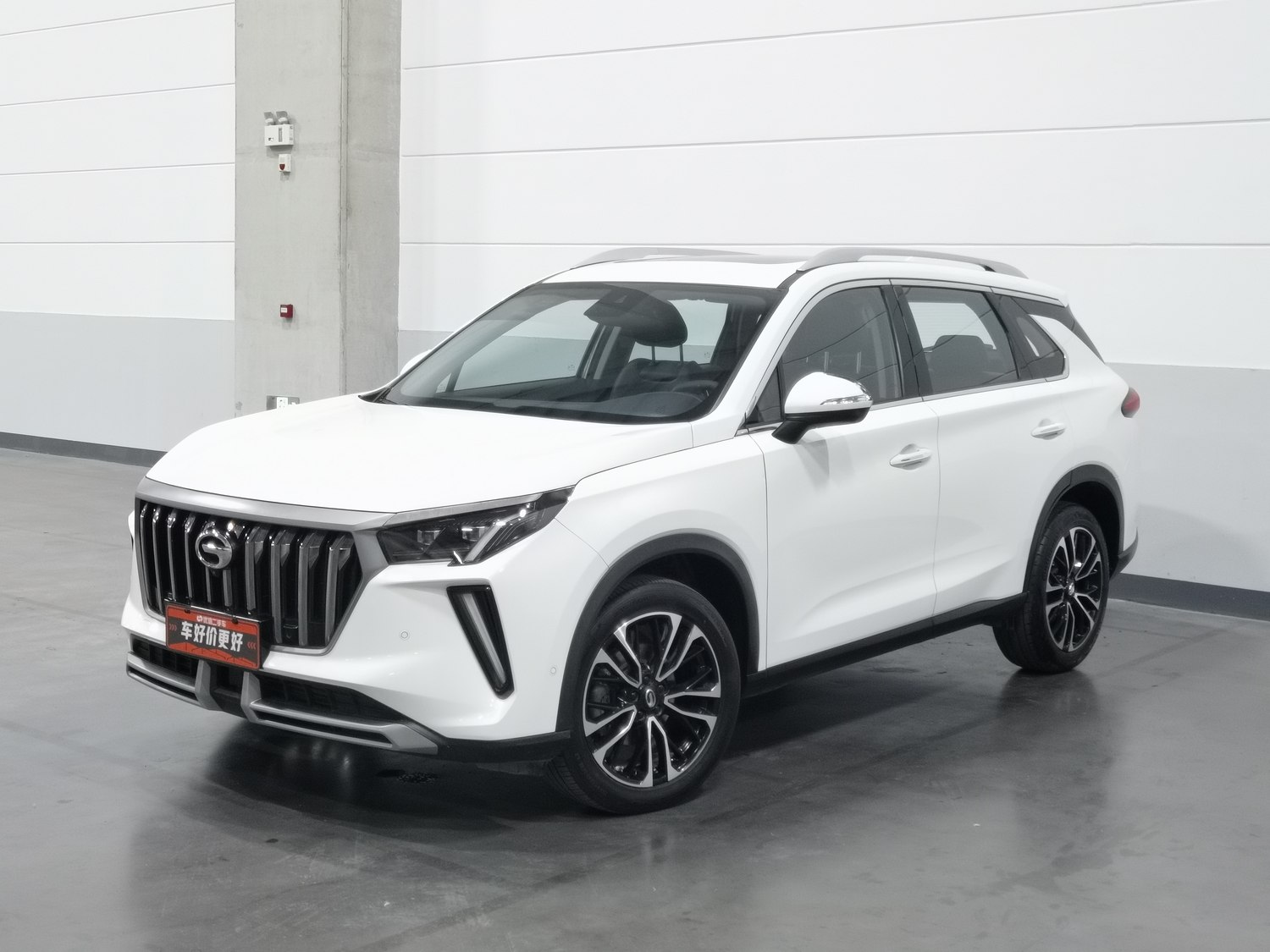
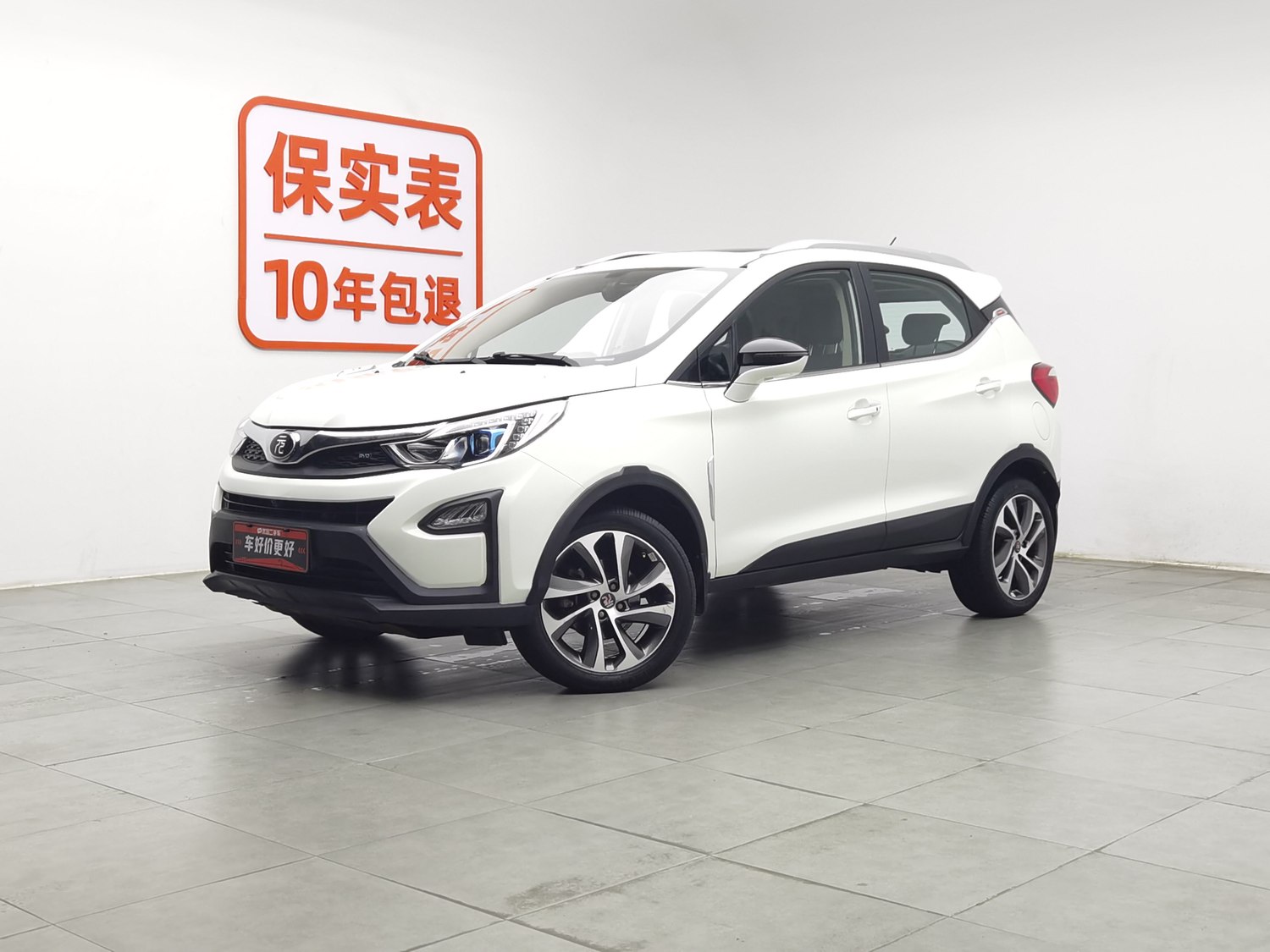
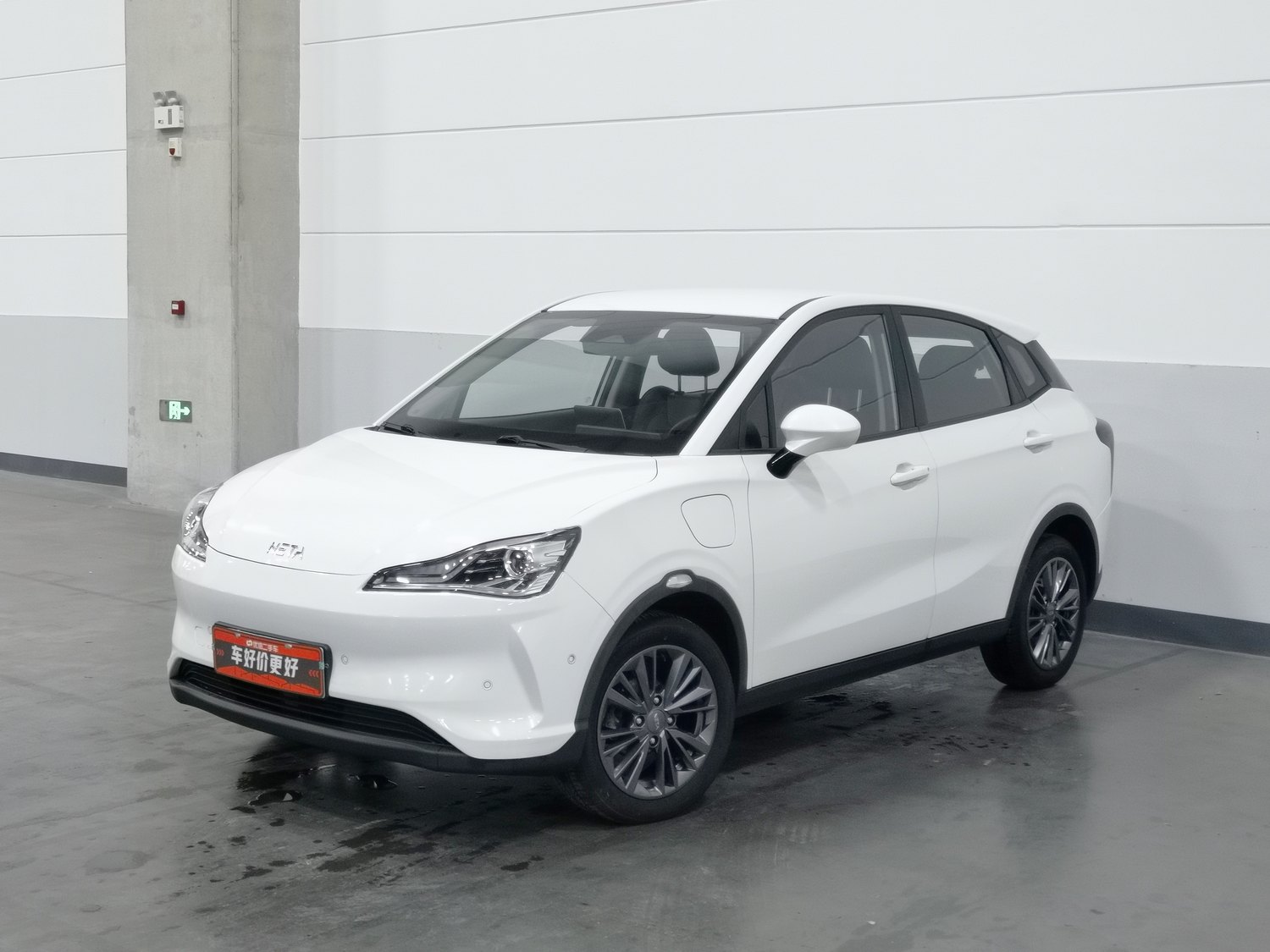
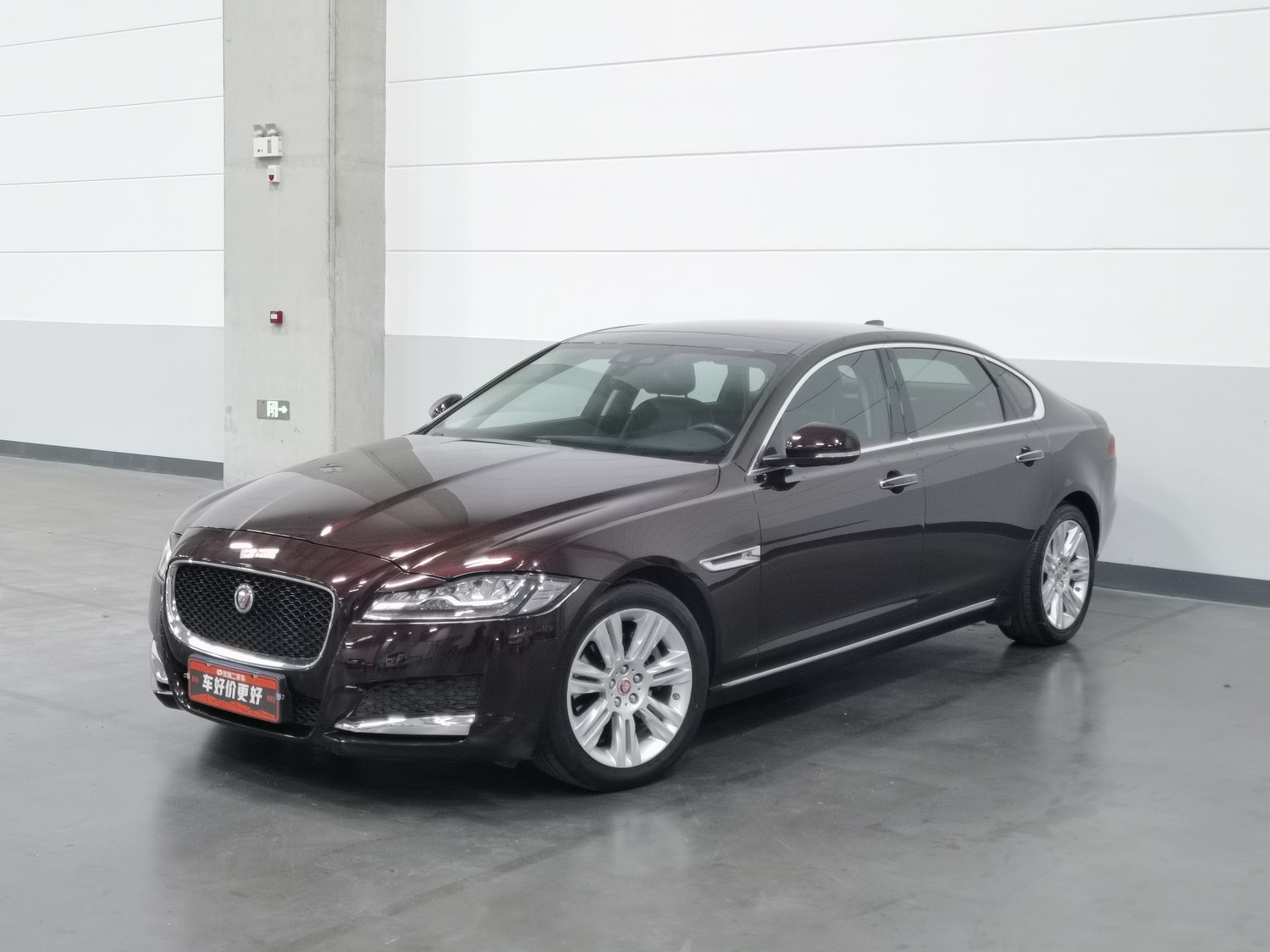
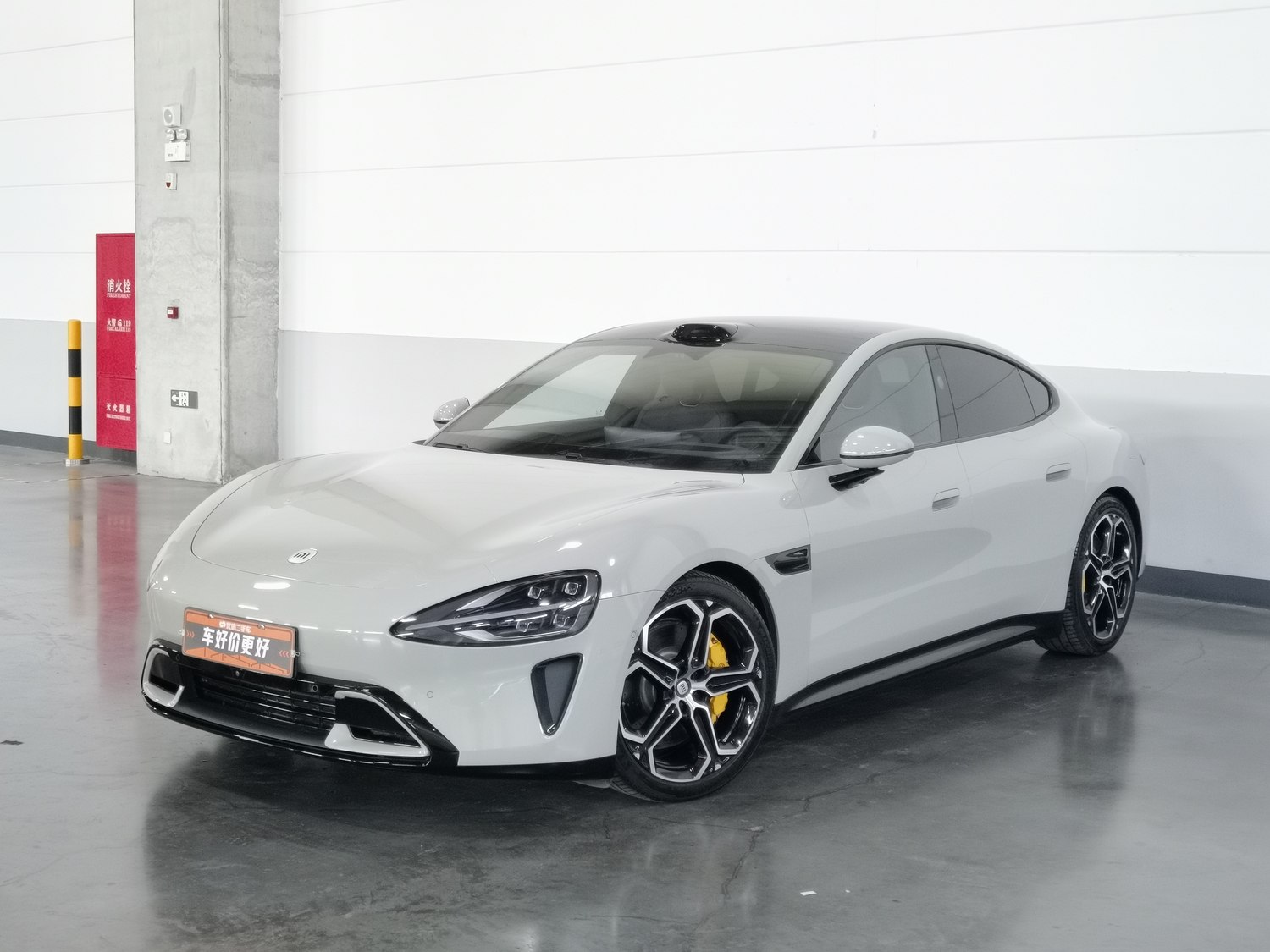
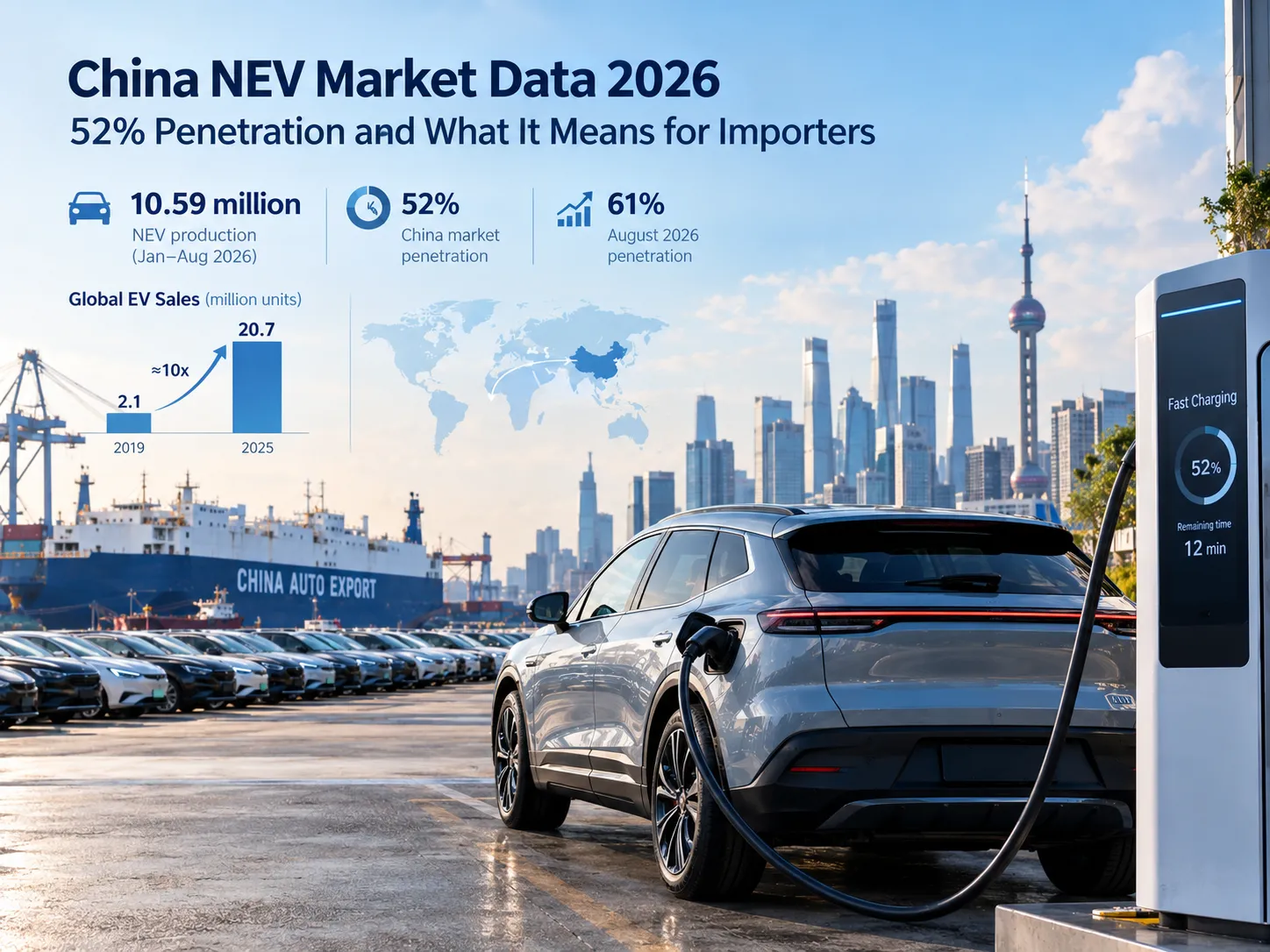
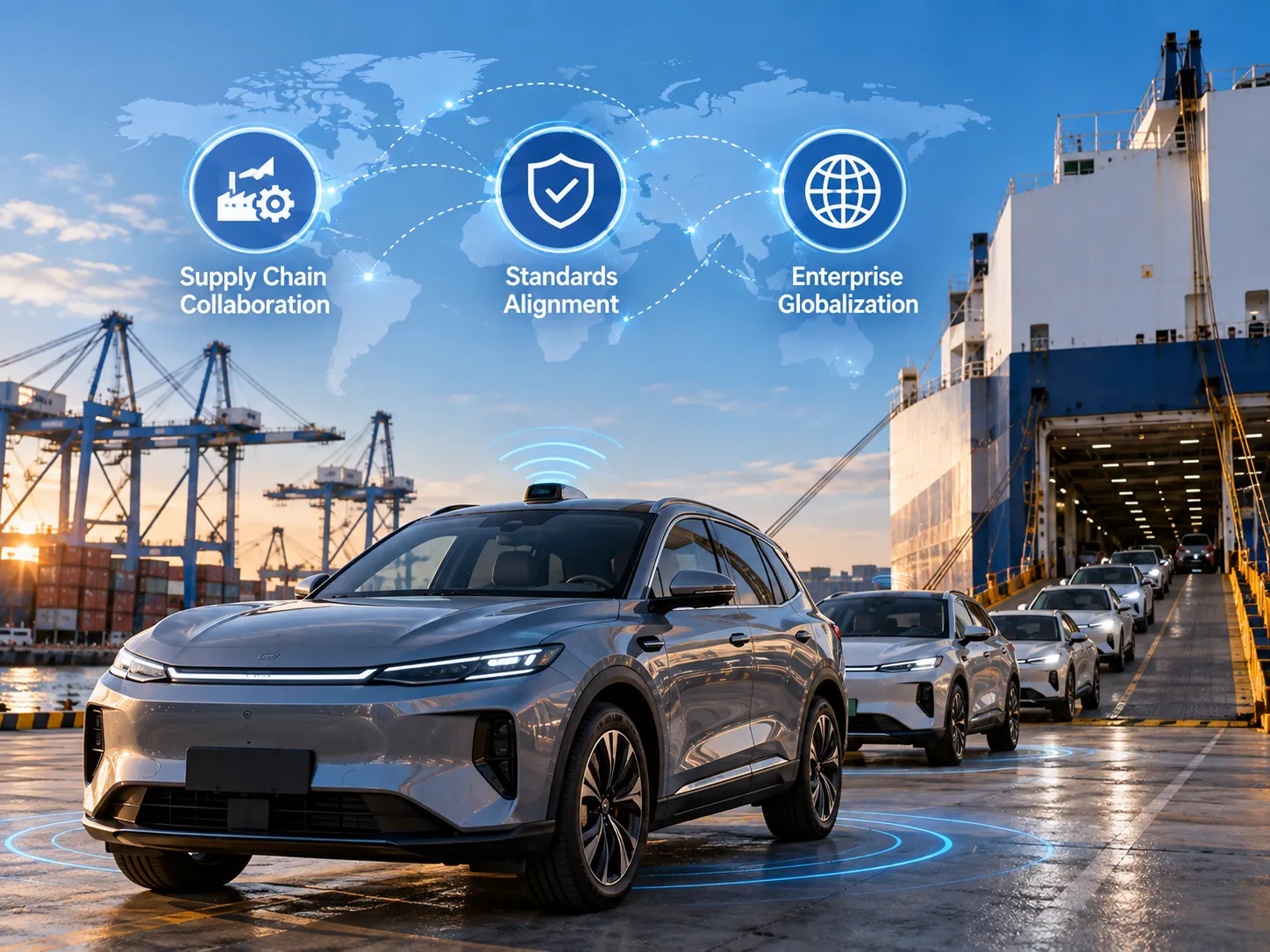
For importers, vehicle dealers and fleet buyers, the best used SUV is not simply the cheapest unit available. It is the vehicle that matches local demand, passes destination-country compliance rules, arrives with a transparent condition record and leaves enough margin after freight, tax, preparation and warranty risk. China has become an increasingly important sourcing market because it combines a large domestic vehicle population, broad model availability, professional export infrastructure and access to both mainstream and premium global brands.Official information published by the China (Shanghai) Pilot Free Trade Zone states that China exported approximately 275,000 used vehicles worth about US$6.88 billion in 2023. That scale does not mean every vehicle is automatically suitable for export, but it shows why international buyers can now find deeper inventories, more model-year choices and more specialized sourcing support than in the early stages of China's used-car export market.
This guide focuses on four brands that serve different commercial purposes: Toyota for dependable turnover and resale recognition, Nissan for value-oriented family and fleet demand, Mazda for design-led retail positioning, and Mercedes-Benz for premium-margin opportunities. It explains how to compare the brands, select the right models, calculate a realistic landed cost and inspect each SUV before committing funds.Buyers can also review Zacarmate's current used cars from China inventory to understand the range of brands, model years, fuel types and body styles available for export. Inventory changes frequently, so the recommended purchasing method is to define an approved specification and source qualifying units rather than relying on one fixed listing.
Why Importers Are Sourcing Used SUVs from China
Sourcing used Chinese SUV cars is a cross-border procurement strategy in which international buyers select export-eligible vehicles from China's large domestic market and manage inspection, documentation, logistics and destination compliance as one coordinated process.SUVs have become commercially attractive because they can serve private retail customers, corporate fleets, rental operators, hotels, government contractors and ride-service businesses. Compared with many sedans, an SUV usually offers higher seating position, flexible cargo capacity, stronger road presence and broader suitability for mixed urban and regional use. These features help dealers market one product category to several customer groups.China's domestic market contains locally produced versions of many internationally recognized vehicles. Toyota, Nissan, Mazda and Mercedes-Benz have all sold SUVs through Chinese manufacturing partnerships or official import channels. As a result, buyers may find models with familiar badges and powertrains but with China-market trim levels, infotainment systems, emissions labels or equipment packages. This creates opportunity, but it also makes specification verification essential.
A Large Supply Base Does Not Remove Selection Risk
The size of the market can improve availability, but it can also create wider variation in vehicle history. Two SUVs with the same model year and mileage may have very different commercial value if one has complete maintenance records and original structural panels while the other has repaired accident damage, inconsistent electronic functions or unclear ownership documents. Importers therefore need a repeatable quality standard that can be applied across every unit.A good sourcing specification should state the accepted brand, model, model year, mileage ceiling, steering position, fuel type, drivetrain, exterior colors, accident limits, repaint limits, service-history preference and required equipment. It should also define automatic rejection conditions. Examples include structural welding, flood evidence, fire damage, tampered identification numbers, serious engine or transmission faults and documentation that cannot be verified.
Global Brand Recognition Can Support Faster Inventory Turnover
Toyota, Nissan, Mazda and Mercedes-Benz already have established identities in many export markets. This can reduce the education required at the retail stage. Customers may already understand the general positioning of a Toyota RAV4, Nissan X-Trail, Mazda CX-5 or Mercedes-Benz GLC. For a dealer, familiar model names can shorten the path from advertising to test drive, especially when local parts and service support already exist.
China Can Offer Multiple Price and Age Tiers
Importers can build a mixed portfolio instead of buying one narrow category. Younger two- to three-year-old SUVs may suit certified-style retail programs, while four- to six-year-old vehicles may target value-conscious buyers. Older premium SUVs can create attractive entry prices, but they require a larger mechanical and electronic risk allowance. The best age band depends on destination regulations, customer purchasing power, financing options and expected resale period.
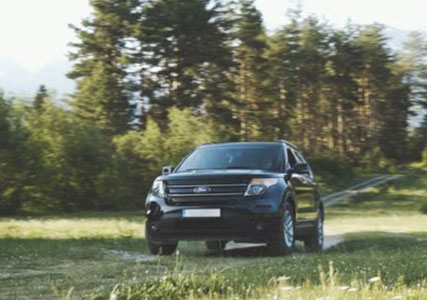
Toyota vs Nissan vs Mazda vs Mercedes: Which Used SUV Brand Fits Your Market?
Brand selection for used SUV imports is the process of matching each manufacturer's resale strength, customer profile, maintenance requirements, acquisition cost and profit potential to the conditions of the destination market. No brand is universally best. Toyota is often the safest volume choice, Nissan can offer strong value and practical comfort, Mazda can differentiate a dealership through styling and driving quality, while Mercedes-Benz can generate higher gross profit per vehicle but also carries greater inspection and after-sales exposure. The correct decision should be based on the buyer's business model rather than personal preference.
| Brand | Typical Buyer Positioning | Representative SUV Models | Main Commercial Strength | Primary Buying Risk | Best Fit |
|---|
| Toyota | Mainstream, family, fleet and resale-focused | RAV4, Wildlander, Frontlander, Highlander, Crown Kluger | Strong recognition, broad service familiarity and generally stable resale demand | Higher acquisition prices for clean, low-mileage examples and possible trim differences | Dealers seeking dependable turnover and fleet buyers prioritizing lifecycle value |
| Nissan | Value-oriented family and fleet | X-Trail, Qashqai, Kicks, Murano, Pathfinder | Comfort, competitive purchase cost and broad compact-to-midsize choice | Transmission condition and maintenance history require careful verification on applicable models | Importers targeting practical SUVs at accessible retail prices |
| Mazda | Design-led, younger and driving-focused retail | CX-5, CX-30, CX-4 | Distinctive styling, quality cabin presentation and differentiated showroom appeal | Lower brand volume in some markets may reduce parts depth or buyer awareness | Dealers that want a curated alternative to high-volume Japanese competitors |
| Mercedes-Benz | Premium private retail, executive and hospitality use | GLA, GLB, GLC, GLE | Premium badge, feature-rich specification and higher revenue per unit | Complex electronics, deferred maintenance and expensive repair exposure | Experienced premium dealers with diagnostic and after-sales capability |
Toyota: The Low-Risk Mainstream Benchmark
Toyota used SUVs are often selected when an importer values predictable demand more than the lowest possible purchase price. Models such as the RAV4 and its China-market relatives, including the Wildlander and Frontlander, cover the compact crossover segment. The Highlander and Crown Kluger address buyers who need more space, stronger road presence or three-row capability in selected configurations.The most important Toyota advantage is not that every unit is fault-free. It is that many markets already have Toyota technicians, parts channels and customer trust. That ecosystem can improve resale confidence and reduce the time required to explain the product. For fleet operators, the ability to standardize maintenance and remarket vehicles later can be more valuable than saving a small amount on the initial purchase.Toyota inspection should still be model-specific. Buyers should verify hybrid battery condition where applicable, cooling-system performance, suspension wear, underbody damage, dashboard warnings, original mileage evidence and the operation of driver-assistance equipment. China-market infotainment and connected services should be tested because some functions may depend on regional software, local accounts or mobile-network support.
Nissan: Practical Value with a Strong Comfort Proposition
Nissan SUVs can work well for buyers who need recognizable Japanese branding at a lower acquisition level than the most sought-after Toyota equivalents. The X-Trail is a versatile family and fleet candidate, while the Qashqai and Kicks can suit urban retail or rental use. Larger models can address customers who need additional cabin space, depending on local supply and import eligibility. For Nissan, the inspection process should give particular attention to transmission behavior on models equipped with continuously variable transmissions. The test should include cold start, low-speed takeoff, steady acceleration, uphill load where possible and a scan for transmission-related fault codes. Smooth operation during a short parking-lot drive is not sufficient evidence of condition.A clean Nissan with documented maintenance can deliver excellent value, but an importer should avoid purchasing solely on price. A neglected cooling system, overdue transmission service or warning light that has recently been cleared can eliminate the expected margin. The buying checklist must require diagnostic scan results, fluid-condition observations and a meaningful road test.
Mazda: A Differentiated Choice for Retail-Focused Dealers
Mazda's commercial appeal comes from differentiation. The CX‑5 is a recognized compact SUV, while the CX‑30 and China‑market CX‑4 can attract customers who prefer a more design‑focused crossover. In a showroom filled with similar mainstream SUVs, Mazda can provide a distinctive visual and driving proposition without moving fully into premium‑brand pricing.
Used Mazda buyers should check body condition carefully because styling is a major part of the product's value. Inconsistent paint shade, poor panel alignment, damaged alloy wheels or low‑quality interior repairs can reduce retail appeal even when the vehicle is mechanically usable. Skyactiv powertrains should be checked for correct maintenance, stable idle, clean acceleration and fluid leaks, while all safety and infotainment functions should be demonstrated.Mazda is strongest when the local dealer understands how to market the vehicle rather than treating it as a cheaper substitute for Toyota or Nissan. That marketing mindset matters whether you buy new Mazda CX‑5 units for stock or source used examples for export. Good photography, documented inspection results and clear trim explanations can support a stronger selling price. In markets with limited Mazda service coverage, the importer should confirm common parts availability before scaling volume.
Mercedes-Benz: Higher Margin Requires Higher Control
Mercedes-Benz SUVs can create premium inventory at a significantly lower acquisition cost than new vehicles, but they should not be purchased using the same risk tolerance applied to mainstream Japanese SUVs. The GLA and GLB can serve compact premium buyers, the GLC is a widely recognized midsize option, and the GLE targets customers seeking greater size and status.A Mercedes purchase budget should include a larger preparation reserve. Tires, brakes, batteries, suspension components, sensors, lighting modules and interior electronics can materially affect margin. Buyers should prefer a more expensive unit with verifiable maintenance and clean diagnostics over a cheaper unit that depends on uncertain repairs after arrival.
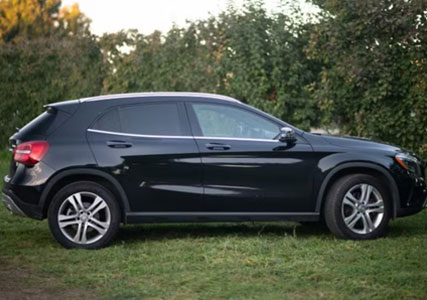
Best Used SUV Models from China for Importers, Dealers and Fleet Buyers
The best used SUV model is the one that meets a defined customer need while maintaining acceptable landed cost, serviceability, condition risk, compliance and resale potential.Model selection should begin with the destination market. An urban dealer may prioritize compact five-seat crossovers, while a regional fleet may need ground clearance, robust cooling and simple drivetrains. A premium retailer may accept slower turnover in exchange for higher profit per unit. The following model groups provide a practical starting point.
Best High-Turnover Models: Toyota RAV4, Wildlander and Frontlander
The RAV4 family is a strong candidate for importers who want a broadly understandable compact SUV. China-market Toyota lineups may include closely related models sold through different joint ventures, so buyers should not assume that every RAV4-family vehicle has identical body panels, equipment or engine calibration. The sales team should receive a specification sheet for each version.For dealer stock, a common gasoline engine, automatic transmission, five-seat layout, neutral color and moderate mileage can be easier to resell than a rare trim with unusual equipment. Hybrid versions may command stronger interest in markets with fuel-cost pressure, but the buyer must confirm battery diagnostics, local hybrid-service capability and destination rules for battery-containing vehicles.Frontlander and Wildlander models may provide attractive China-market sourcing opportunities, but importers should check whether local customers recognize the model name. When recognition is lower, product descriptions should explain platform relationship, dimensions, engine, drivetrain and parts compatibility without making unsupported claims that the vehicles are identical to another market's version.
Best Value and Fleet Models: Nissan X-Trail, Qashqai and Kicks
The X-Trail is suitable for family retail, rental fleets and company transport where cabin flexibility matters. The Qashqai and Kicks can fit urban buyers who want lower purchase price and operating costs. Fleet orders should favor repeatable specifications so that tires, filters, brake components and training can be standardized.A fleet buyer should evaluate total cost per kilometer, not only purchase price. Fuel type, tire size, service intervals, transmission maintenance and projected downtime all affect operating cost. A low-priced SUV that requires an uncommon tire or has limited local diagnostic support may become more expensive over a three-year operating period.For Nissan procurement, request evidence of scheduled maintenance and avoid units with delayed engagement, shudder, abnormal transmission noise or inconsistent acceleration. A professional inspection should record fluid leaks, cooling performance, fault codes and road-test observations in a format that can be compared across vehicles.
Best Design-Led Models: Mazda CX-5, CX-30 and CX-4
The CX-5 is generally the most straightforward Mazda SUV for international retail because its name is recognized in many markets. The CX-30 can attract urban customers who want a smaller premium-feeling crossover. The CX-4 is more China-specific and may require additional customer education, but its coupe-like profile can create a distinctive showroom product.Mazda purchasing should prioritize exterior quality, cabin condition and complete functionality because the brand's retail appeal depends strongly on presentation. A mechanically acceptable vehicle with poor cosmetic repairs may underperform a slightly higher-cost unit with original-looking panels, clean wheels and well-preserved trim.Dealers can improve conversion by presenting an inspection summary, paint-depth results, underbody photographs and a clear feature list. This makes the vehicle easier to compare and reduces customer uncertainty. It also supports a quality-based selling strategy instead of competing only on price.
Best Premium Models: Mercedes-Benz GLC, GLB and GLE
The GLC is a practical starting point for premium dealers because it sits in a widely demanded midsize category. The GLB can appeal to customers who want a more compact footprint and flexible packaging, while the GLE targets a higher price segment. The exact best choice depends on tax treatment, engine-size rules and local premium-service capacity.For older Mercedes-Benz SUVs, mileage alone should not determine value. A higher-mileage vehicle with complete maintenance history may be safer than a low-mileage vehicle that has spent long periods unused, received accident repair or lacks service evidence. Electronic scan history, battery voltage, fluid leaks, suspension behavior and all comfort functions should be documented.
Recommended Starter Portfolio for a First Shipment
Another approach is to buy by customer order. Importers can use Zacarmate's vehicle search and sourcing platform to compare available brands and specifications, then request units that match confirmed dealer or fleet requirements. Order-based sourcing reduces inventory risk but may require faster communication and a clear deposit process.
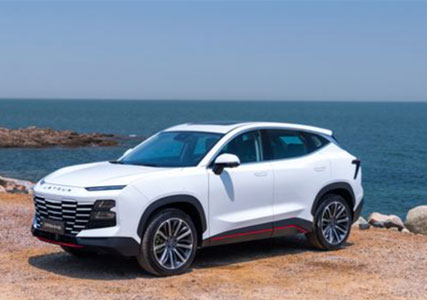
Used SUV Buying Checklist: Documents, Condition, Compliance and Logistics
A used SUV buying checklist is a documented sequence of identity, ownership, mechanical, structural, electronic, regulatory and shipping checks completed before payment and export.The checklist should be consistent across all brands while allowing model-specific tests. A buyer who inspects bodywork carefully but ignores documentation can face customs problems. A buyer who verifies documents but performs only a superficial mechanical check can receive a legally exportable vehicle that is commercially difficult to sell. Both sides of the process are essential.
1. Confirm Vehicle Identity and Ownership Documents
Match the vehicle identification number on the body, dashboard label, manufacturer plate and documents.
Check for signs of altered, damaged, re-stamped or inconsistent identification markings.
Confirm model year, manufacturing date, engine specification, fuel type, steering position and seating capacity.
Verify that ownership and transfer documents support legal export processing.
Confirm whether any finance, legal restriction or unresolved registration issue affects transfer.
For vehicles using the standard format, a VIN contains 17 characters. The VIN should be decoded and compared with the physical vehicle, but decoding alone does not prove ownership or accident history. It is one layer of verification. Importers should also keep timestamped photographs of identification points in the transaction file.
2. Check Accident, Structural, Flood and Fire History
Measure paint thickness across comparable panels and record abnormal variation.
Inspect chassis rails, pillars, floor, suspension mounting points and the spare-wheel well.
Look for welding, sealant inconsistency, overspray, non-original fastener marks and uneven panel gaps.
Check under carpets, seat rails, connectors and hidden cavities for mud, corrosion or water lines.
Inspect wiring, insulation, fuse areas and interior surfaces for fire or heat evidence.
Cosmetic repainting is not always a reason to reject a vehicle, but structural repair must be treated differently. The purchase specification should define acceptable repaint limits and prohibited structural damage. Buyers should receive photographs and inspection notes rather than a simple statement such as “good condition.”
3. Inspect Engine, Transmission, Cooling and Drivetrain
Start the engine from cold and record warning lights, noise, smoke and idle quality.
Check engine oil, coolant, transmission fluid where serviceable and visible contamination.
Scan control modules before and after the road test.
Test acceleration, deceleration, gear engagement, steering response and braking.
Check four-wheel-drive operation and differential or transfer-case noise where applicable.
Inspect for leaks at the engine, transmission, cooling system, shock absorbers and drivetrain seals.
The road test should be long enough to bring the powertrain toward normal operating temperature. Some faults do not appear during a two-minute test. If road testing is restricted, the buyer should understand the limitation and increase the risk allowance or require additional workshop testing.
4. Inspect Suspension, Steering, Brakes and Tires
Check tire brand, size, production date, tread depth and uneven wear.
Inspect wheel damage and confirm that all four primary tires meet the agreed standard.
Measure brake pad and disc condition where possible.
Listen for suspension knocks and check shock absorber leakage.
Confirm stable steering, correct wheel alignment behavior and no abnormal vibration.
UNECE passenger-car tire rules use 1.6 mm as the height of tread-wear indicators in the principal grooves. That figure is a useful international reference, but it should not be treated as the importer's buying target. Export stock should normally have substantially more usable tread, and the destination country's legal requirement may differ. Dealers should also consider customer expectations and the cost of replacing uncommon tire sizes.
5. Test Electronics, Safety and Comfort Equipment
Confirm airbags and safety-system warning lamps complete their normal startup check.
Test cameras, parking sensors, adaptive cruise control and lane functions where fitted.
Operate air conditioning at idle and during the road test.
Test windows, locks, seats, mirrors, lighting, sunroof, tailgate and keyless functions.
Check infotainment language, navigation region, Bluetooth, mobile connectivity and account-dependent features.
Verify the number and functionality of keys.
Electronics deserve special attention on premium vehicles. A missing sensor, damaged camera or communication fault can trigger several warning messages and require specialist diagnosis. The inspection report should distinguish between equipment that is not fitted and equipment that is fitted but not functioning.
6. Verify Destination-Country Compliance Before Purchase
Import rules should be checked before selecting the unit, not after it reaches the port. Requirements may involve vehicle age, left- or right-hand drive, emissions standard, engine size, safety certification, inspection, type approval, pre-shipment verification, import permits or restrictions on repaired vehicles. Rules can change, and one country may apply different rules to private imports, dealer imports and fleet vehicles.The importer should provide the exporter with written compliance criteria. When uncertainty exists, obtain confirmation from the destination customs authority, transport regulator, homologation consultant or licensed customs broker. An attractive vehicle that cannot be registered has no commercial value.
7. Approve Export Preparation and Shipping Condition
Confirm the vehicle is cleaned and photographed before loading.
Record fuel level, mileage, keys, accessories and visible condition at handover.
Confirm whether shipping will use roll-on/roll-off service or a container.
Agree responsibility for port delivery, terminal handling, insurance and destination charges.
Protect loose accessories and remove prohibited personal items.
Receive loading photographs and final document copies.
The sales contract or proforma invoice should state the agreed Incoterm or commercial delivery point clearly. “Shipping included” is not precise enough. Buyers need to know which port charges, freight items, insurance and destination fees are included and which remain payable after arrival.
Used SUV Import Cost Breakdown and Profit Calculation
Landed cost is the complete cost of placing an imported used SUV in a condition and location where it can legally be registered, sold or placed into fleet service.The purchase price is only one part of the investment. A dealer that calculates margin from the vehicle price plus ocean freight may overlook inspection, reconditioning, domestic transport, export handling, port storage, customs clearance, tax, homologation and local preparation. A reliable cost sheet should be completed before the vehicle is approved.
| Cost Item | What It Can Include | Illustrative Amount for a US$12,000 SUV | Control Method |
|---|
| Vehicle acquisition | Agreed purchase price and sourcing terms | US$12,000 | Approve against model, condition and comparable supply |
| Inspection and preparation | Inspection, diagnostic scan, minor service, cleaning or agreed repairs | US$450 | Set an inspection scope and written repair authorization limit |
| China domestic transport and export handling | Transport to port, export documents and handling | US$550 | Request an itemized quotation and named departure port |
| Ocean freight and insurance | RoRo or container freight and cargo insurance | US$1,550 | Confirm route, service type, exclusions and insurance basis |
| Destination port and clearance | Terminal, broker and document charges before duties and taxes | US$800 | Obtain a local broker estimate before purchase |
| Subtotal before destination duty and tax | Combined example of the above items | US$15,350 | Use as a customs-planning base only where legally appropriate |
| Duty, tax, homologation and registration | Destination-specific statutory and compliance costs | Variable | Calculate under current local rules for the exact vehicle |
| Contingency and retail preparation | Unexpected repairs, detailing, local tires, battery or marketing | Variable | Use a brand- and age-specific reserve |
The figures above are an illustration, not a Zacarmate quotation or customs estimate. Actual freight and fees depend on vehicle size, route, port, shipping season and service. Duty and tax can vary dramatically by engine capacity, customs value, age, emissions, fuel type and destination policy
.
Use a Maximum Purchase Price Formula
A buyer should work backward from the realistic retail price:Maximum vehicle purchase price = Expected retail price − target gross profit − all non-vehicle landed costs − preparation reserve − risk contingency.Assume a dealer expects to retail an SUV for US$22,000, requires US$3,000 gross profit, estimates US$4,500 in freight, tax, clearance and preparation, and keeps a US$1,000 risk reserve. The maximum vehicle acquisition budget would be US$13,500. Paying US$15,000 because the vehicle appears attractive would reduce the intended margin before it leaves China.
Set Different Risk Reserves by Brand and Age
A nearly new mainstream Toyota may require a smaller percentage reserve than an older Mercedes-Benz with advanced electronics and air suspension. The reserve should reflect the potential cost and probability of faults, not a fixed amount for every SUV. Importers can improve future estimates by recording actual preparation costs by model, year, mileage and supplier.Fleet buyers should also include downtime and operating cost. A vehicle that costs US$1,000 less but spends more time waiting for parts can be a poor fleet asset. Dealers should include expected warranty support or goodwill repairs in the margin model, particularly when selling to retail consumers.
Do Not Use Website Listing Prices as Final Landed Costs
Online prices can help buyers compare relative acquisition levels, but a listing price may not include all inspection, repair, export, freight and destination charges. It may also change with inventory condition and market availability. Request a vehicle-specific quotation that identifies the unit, price basis, validity period, included services and payment schedule.
Frequently Asked Questions About Importing Used SUVs from China
Definition: These frequently asked questions summarize the most common commercial, technical and compliance decisions faced by buyers sourcing Toyota, Nissan, Mazda and Mercedes-Benz SUVs from China.
1. Which used SUV brand is safest for a first-time importer?
Toyota is often the lowest-complexity starting point because it has strong recognition, broad service familiarity and stable resale demand in many markets. However, the safest purchase is a compliant vehicle with verified history and condition. A poorly inspected Toyota can be riskier than a well-documented Nissan or Mazda.
2. Are China-market SUVs the same as versions sold in other countries?
Not always. A model may have different trim names, engines, emissions systems, infotainment, safety equipment, body parts or software. Importers should verify the exact VIN specification and avoid assuming full parts interchangeability based only on the model badge.
3. What mileage is acceptable for an imported used SUV?
There is no universal mileage limit. Condition, maintenance and intended use matter more than one number. Many dealers prefer moderate-mileage vehicles that balance price and remaining life, while fleets may require stricter limits. Set a mileage ceiling together with service-history and mechanical-condition requirements.
4. Should I choose RoRo or container shipping?
RoRo can be efficient for operable vehicles on supported routes, while containers may offer more control for certain destinations, consolidated shipments or higher-value units. The decision depends on route availability, total cost, port handling, vehicle size, insurance and the buyer's risk preference.
5. How can I reduce the risk of hidden accident or flood damage?
Require paint-depth measurements, structural photographs, underbody inspection, diagnostic scans and checks beneath carpets and interior trim. Define prohibited damage in the purchase order and request evidence before final payment. Do not rely only on exterior photographs or a general condition description.
6. Can Zacarmate source a specific Toyota, Nissan, Mazda or Mercedes SUV?
Yes, sourcing can be based on model, year, mileage, color, fuel type, drivetrain, budget and condition requirements, subject to current availability and export eligibility. A detailed request produces a more accurate shortlist and quotation than a general request for the “cheapest SUV.”
Conclusion
A successful used SUV import program combines the right model mix with documented condition, destination compliance, complete landed-cost control and a dependable export process.Toyota, Nissan, Mazda and Mercedes-Benz serve different commercial roles. Toyota is a strong foundation for mainstream turnover and fleet lifecycle value. Nissan can provide practical comfort and competitive acquisition cost. Mazda helps dealers create a design-led alternative, while Mercedes-Benz offers premium revenue potential for buyers capable of controlling electronic, maintenance and repair risk.The most important buying decision is not the badge; it is whether the exact vehicle meets the importer's written standard. Verify identity, ownership, accident history, mechanical systems, electronics, tires, compliance and shipping terms before payment. Calculate margin from the complete landed cost and include a realistic preparation reserve.Zacarmate can help international importers, dealers and fleet operators source multi-brand used SUVs from China, document vehicle condition and coordinate export execution. Begin with a focused specification, test demand with a controlled first shipment and expand only after reviewing real sales speed, preparation cost and customer feedback.
External References
Zhongan TikTech (Anhui) Co., Ltd.
Zhongan TikTech (Anhui) Co., Ltd., a Conch Group SOE, exports quality new & used vehicles globally with 40+ years' foreign trade expertise.
 EN
EN
 fr
fr  es
es  ru
ru  pt
pt