Colombia is one of Latin America's most dynamic auto markets, with annual vehicle sales exceeding 300,000 units and a growing demand for Chinese vehicles. In 2024, China exported over 10,800 vehicles to Colombia, making it a key destination for china auto exporters in the region.
This guide covers the certification steps, regulatory requirements, and practical considerations for exporting vehicles to Colombia.
1. Regulatory Framework
Colombia's vehicle import certification is managed by multiple government agencies:
| Authority | Role |
|---|
| Ministry of Transport | Vehicle type approval and homologation |
| Ministry of Commerce, Industry and Tourism | Import permits and trade regulations |
| DIAN (Customs) | Customs clearance and tariff assessment |
| ICA (Agriculture Institute) | Controls imports of used vehicles and tires |
Colombia operates a homologation system similar to other Latin American markets. Vehicles must demonstrate compliance with Colombian Technical Standards (NTC) and applicable UNECE regulations.
2. Homologation Process
Step-by-Step
| Step | Description | Timeline |
|---|
| 1. Documentation | Submit vehicle specs, technical drawings, and test reports | Week 1-2 |
| 2. Compliance Review | Authorities verify compliance with NTC standards | Week 3-6 |
| 3. Physical Inspection | Sample vehicle inspection or test report review | Week 7-10 |
| 4. Certificate Issuance | Homologation certificate issued for the vehicle model | Week 11-12 |
| 5. Import Registration | Register the approved model with customs | Week 13 |
Required Documents
Vehicle specification sheet
Manufacturer's certificate of origin
Emissions test report (UNECE or equivalent)
Safety compliance documentation (brakes, lighting, seatbelts, etc.)
Power of attorney for the local representative
Commercial invoice and packing list
For vehicles exporter organizations, working with a local homologation agent in Colombia can reduce the timeline from 12 weeks to approximately 6-8 weeks.
3. Import Duties and Taxes
| Cost Component | Rate | Notes |
|---|
| Import Duty | 15-35% | Varies by vehicle type and engine size |
| VAT (IVA) | 19% | Applied to CIF value plus duty |
| Registration Fee | 1-3% | Varies by vehicle value |
| Total Estimated | 35-55% | Applied to CIF value |
Colombia has a free trade agreement with several countries, but vehicles imported from China are subject to standard WTO most-favored-nation (MFN) rates. Used vehicles face additional restrictions and higher duties.
4. Used Vehicle Import Rules
Colombia restricts used vehicle imports. Key conditions:
Used vehicles must be less than 5 years old from the date of manufacture
Must pass a technical inspection at an authorized center
Odometer verification and vehicle history report required
Vehicles with accident history or structural damage are prohibited
Used commercial vehicles have additional axle weight and emissions requirements
For wholesale auto dealers considering used vehicle exports to Colombia, age compliance is the most critical factor — a vehicle that exceeds the 5-year limit cannot be registered.
5. NEV-Specific Requirements
Colombia is actively promoting electric vehicle adoption through tax incentives. NEVs benefit from:
Reduced import duty: 5-10% (vs 15-35% for ICE vehicles)
VAT exemption: EVs are exempt from the 19% IVA
No restriction on used EV imports: Used EVs may enter under different rules than used ICE vehicles
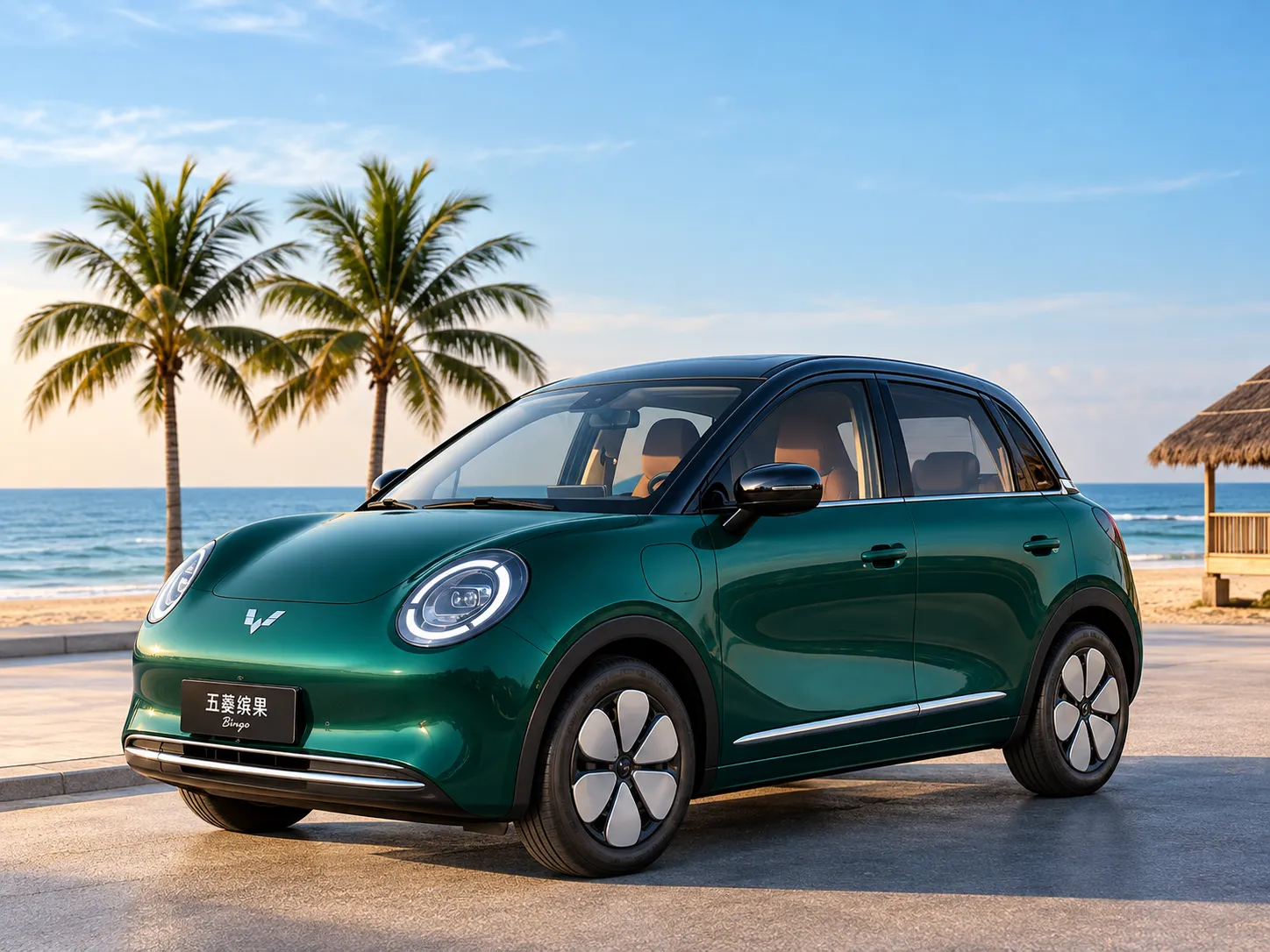
For china auto suppliers, this creates a significant price advantage for Chinese NEVs in the Colombian market. BYD, Chery, and other Chinese brands have already established distribution networks.
6. Practical Tips for Exporters
Certification takes time. Budget 3-4 months for the full homologation process. Plan your shipping schedule accordingly.
Work with a local agent. Colombian homologation requires local representation. An experienced agent can manage the paperwork, coordinate with authorities, and handle any compliance gaps.
Verify HS code classification. Colombia applies different duty rates to different vehicle types. Incorrect classification can lead to delays and penalties.
Prepare complete documentation. Missing documents are the #1 cause of customs delays in Colombia. Work with experienced cars suppliers who understand the documentation chain.
Consider NEV advantages. Lower duties and tax exemptions for EVs and hybrids give Chinese NEVs a meaningful price advantage in the Colombian market.
Frequently Asked Questions
1. Can I import used cars to Colombia?
Yes, but the vehicle must be less than 5 years old, pass technical inspection, and have no accident history. Used EV imports may have more flexible rules.
2. What certificates are required for vehicle homologation in Colombia?
Manufacturer's certificate of origin, emissions test report (UNECE R83 or equivalent), safety compliance documentation, and a local representative power of attorney form the core package.
3. How long does the certification process take?
Typically 3-4 months for first-time imports. Repeat imports of the same model take 4-6 weeks.
4. What are the duty and tax rates for vehicles imported into Colombia?
Import duty 15-35% + IVA 19% + registration fees, totaling 35-55% of CIF value. NEVs benefit from reduced rates.
5. Do Chinese EVs have a market advantage in Colombia?
Yes. Reduced import duties (5-10%) and VAT exemption for EVs create a 20-30% price advantage over equivalent ICE vehicles, making Chinese NEVs highly competitive.
6. Can I start with a small trial order?
Many established china auto exporters support MOQ as low as 1 unit for market testing, with full certification and logistics support to Colombian ports including Cartagena, Buenaventura, and Barranquilla.
About the Author / Sourcing Partner
This guide was prepared by the supply chain team at Zacarmate (Zhongan TikTech (Anhui) Co., Ltd.), the state-owned auto export arm of Conch Group (Fortune Global 500). We help international dealers source vehicles from China for Latin American markets including Colombia, with full certification and logistics support.
How we support Colombia-bound exports:
Full certification: Homologation documentation, emissions and safety compliance, local agent coordination
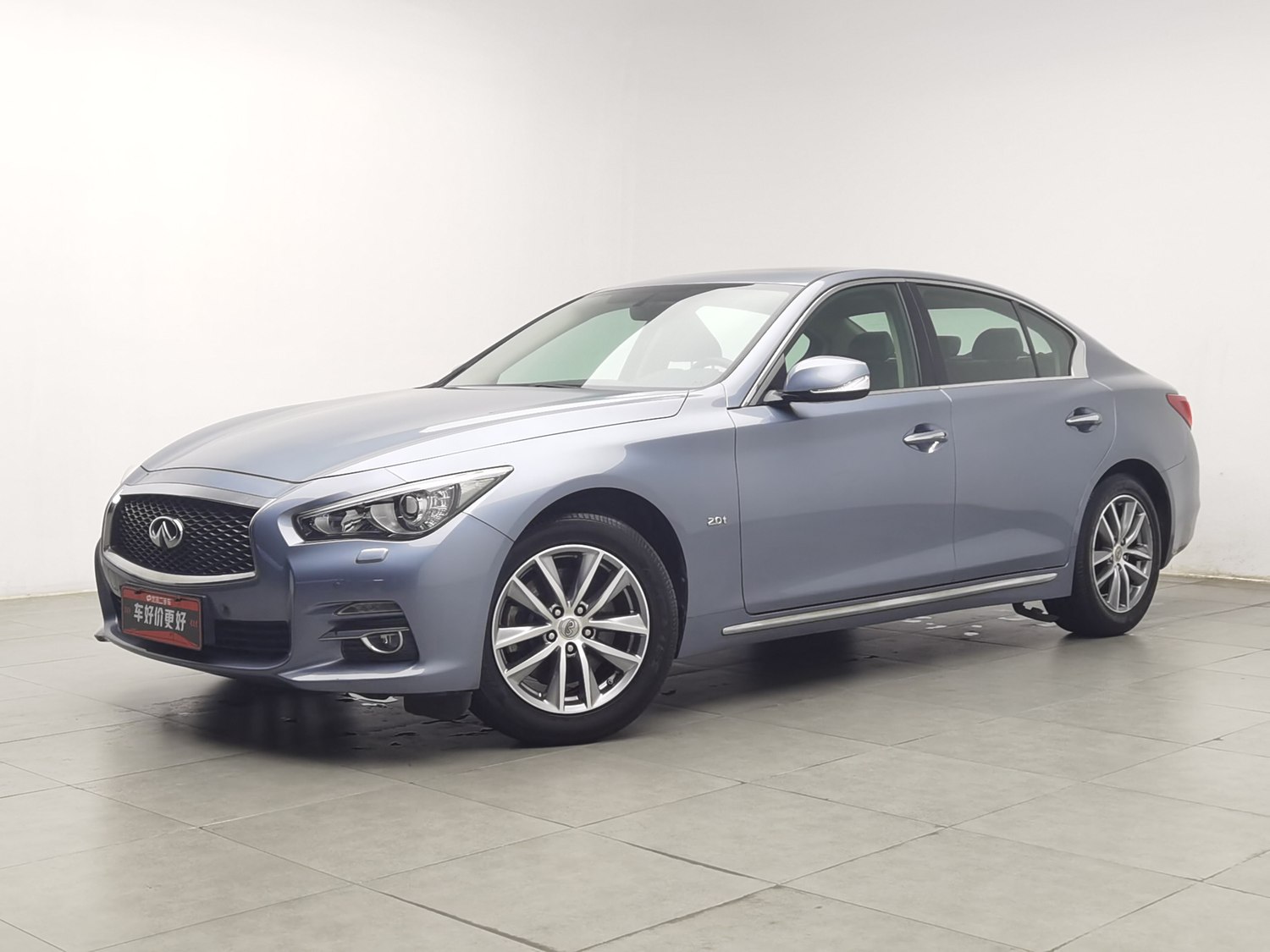
Multi-brand sourcing: NEVs (BYD, Tesla, Li Auto), fuel vehicles (Toyota, Honda, Hyundai + Chinese brands), used cars
Flexible ordering: MOQ = 1 unit for trial; multi-brand mixed-container shipping to Colombian ports
End-to-end logistics: Domestic transport, warehousing, Ro-Ro or container shipping, complete export documentation
→ Contact our export desk for a tailored Colombia sourcing and certification plan.

CCCME/CATARC (2025), Chapter 1.3 — 2024 vehicle export destination data.
Colombian Ministry of Transport, Decree 1079 of 2015 — Automotive regulation framework.
CCCME/CATARC (2025), Chapter 11 — Latin America certification overview. Colombia follows a homologation system aligned with UNECE standards, similar to Chile and other Latin American markets.
Zhongan TikTech (Anhui) Co., Ltd.
Zhongan TikTech (Anhui) Co., Ltd., a Conch Group SOE, exports quality new & used vehicles globally with 40+ years' foreign trade expertise.
 EN
EN
 fr
fr  es
es  ru
ru  pt
pt