Finding a vehicle overseas is no longer limited to choosing a model from an online listing and arranging ocean freight. For importers, dealers, fleet operators and private procurement agents, the real task is to identify a vehicle that matches local demand, verify its condition and documents, confirm destination-country compliance, calculate the complete landed cost and control the transaction from payment to delivery.
China has developed into one of the world's most important automotive supply markets. Buyers can source gasoline vehicles, hybrids, plug-in hybrids, electric vehicles, SUVs, sedans, MPVs, pickups and commercial vehicles from Chinese brands and internationally recognized manufacturers. The market includes factory-new stock, export versions, domestic-market specifications, nearly new vehicles and conventional used cars across a wide range of price levels. That variety creates opportunity, but it also creates complexity. A vehicle that looks attractive in photographs may have the wrong steering position, an unsupported charging connector, incomplete ownership documents, hidden accident repairs or a specification that cannot be registered in the destination country. Reliable sourcing therefore depends on a structured process rather than price alone.
This guide explains why global buyers increasingly source vehicles from China, the risks that make overseas procurement difficult, the exact steps required to find the right vehicle and how Zacarmate supports buyers with multi-brand sourcing, inspection, export documentation and logistics coordination.

Why More Buyers Choose China to Find Vehicles and Import Cars
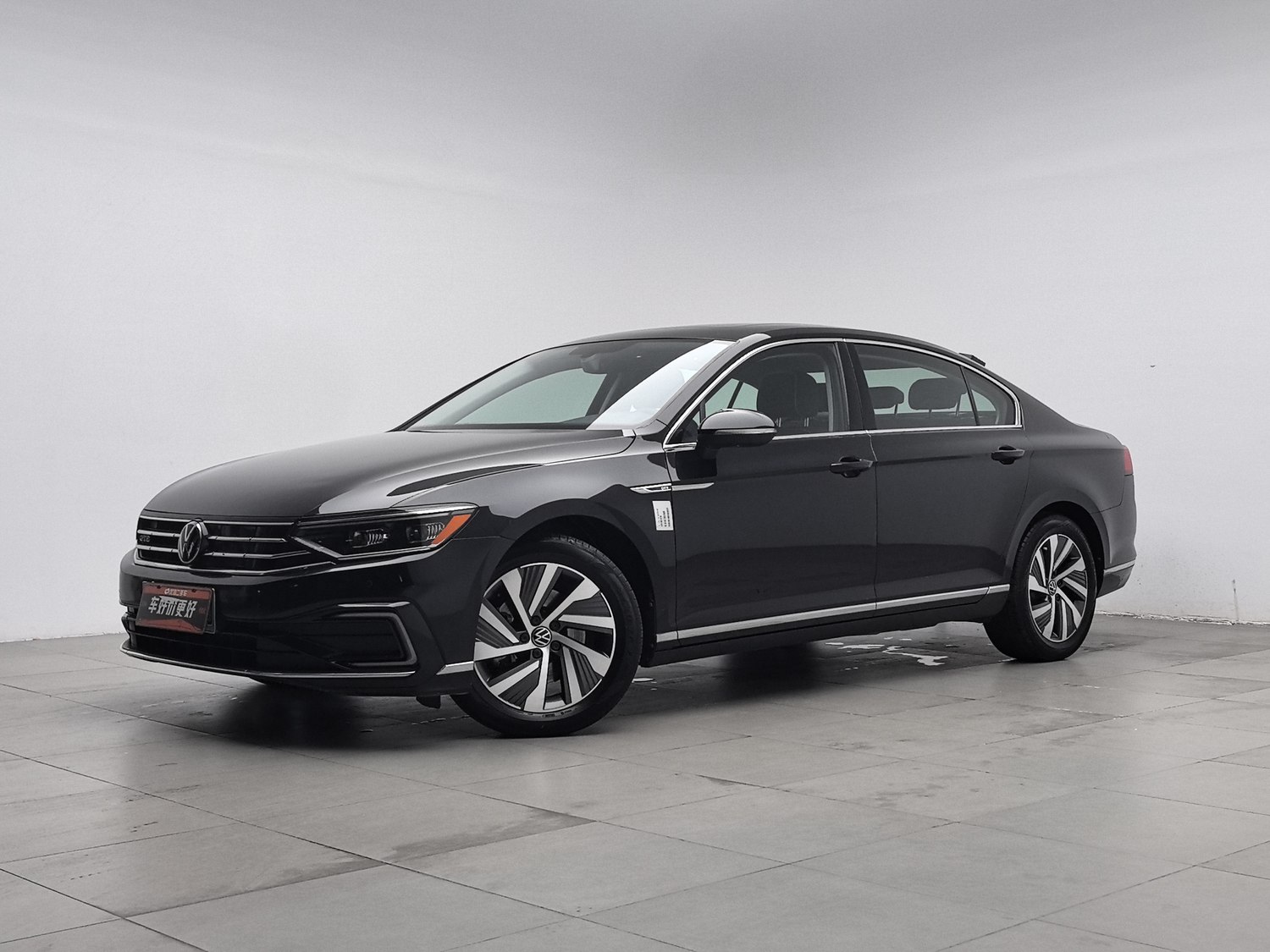
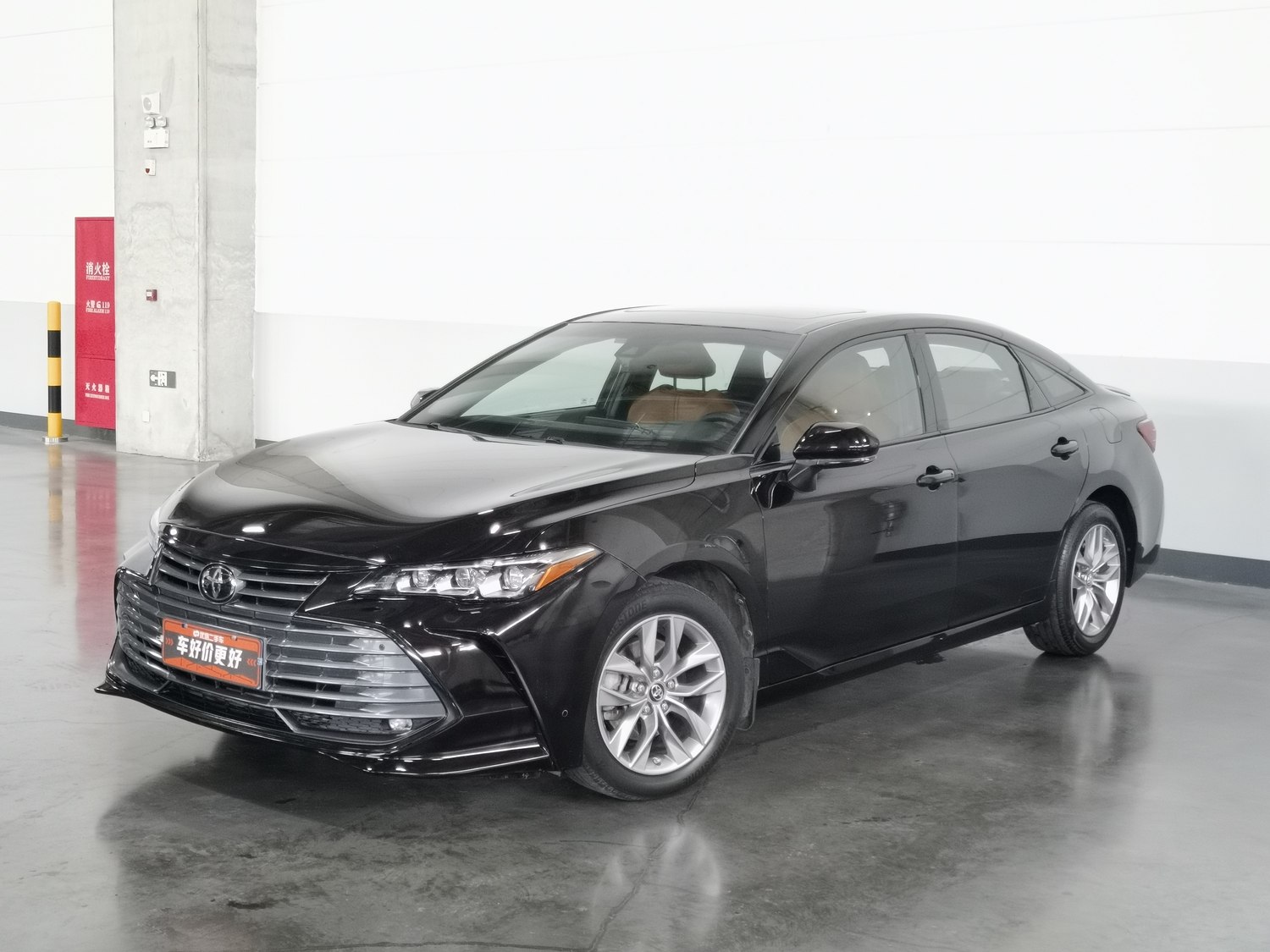
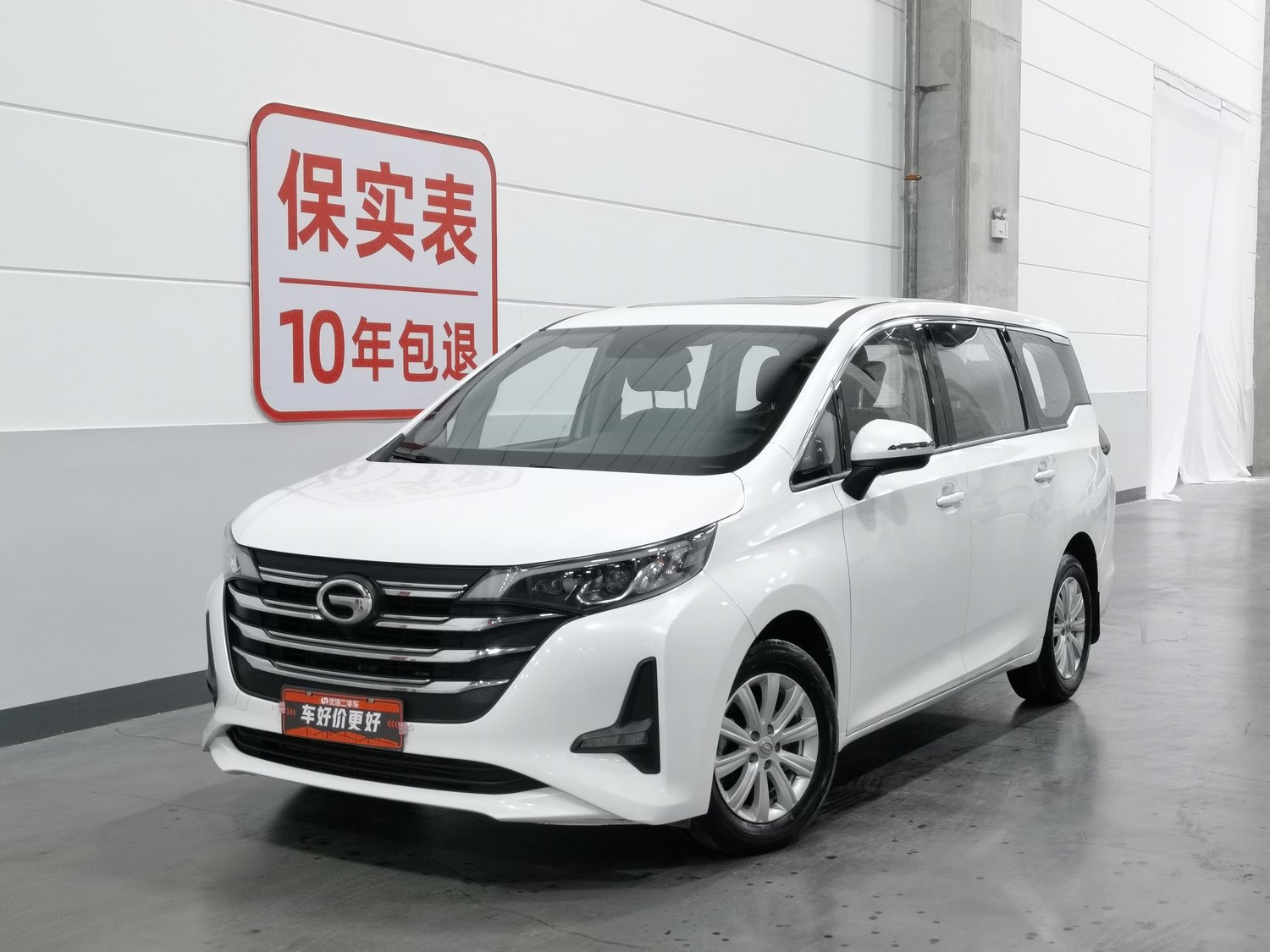
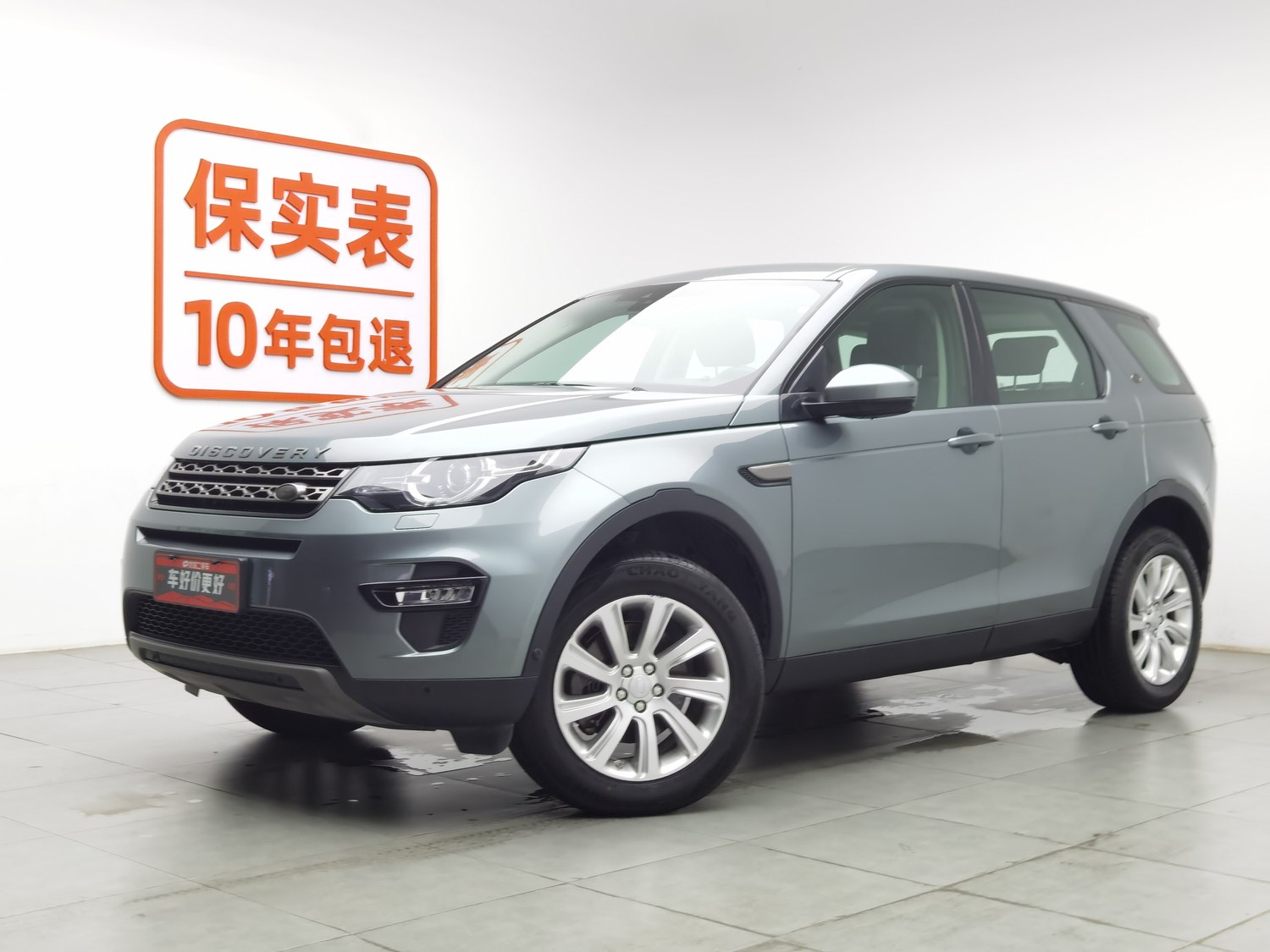
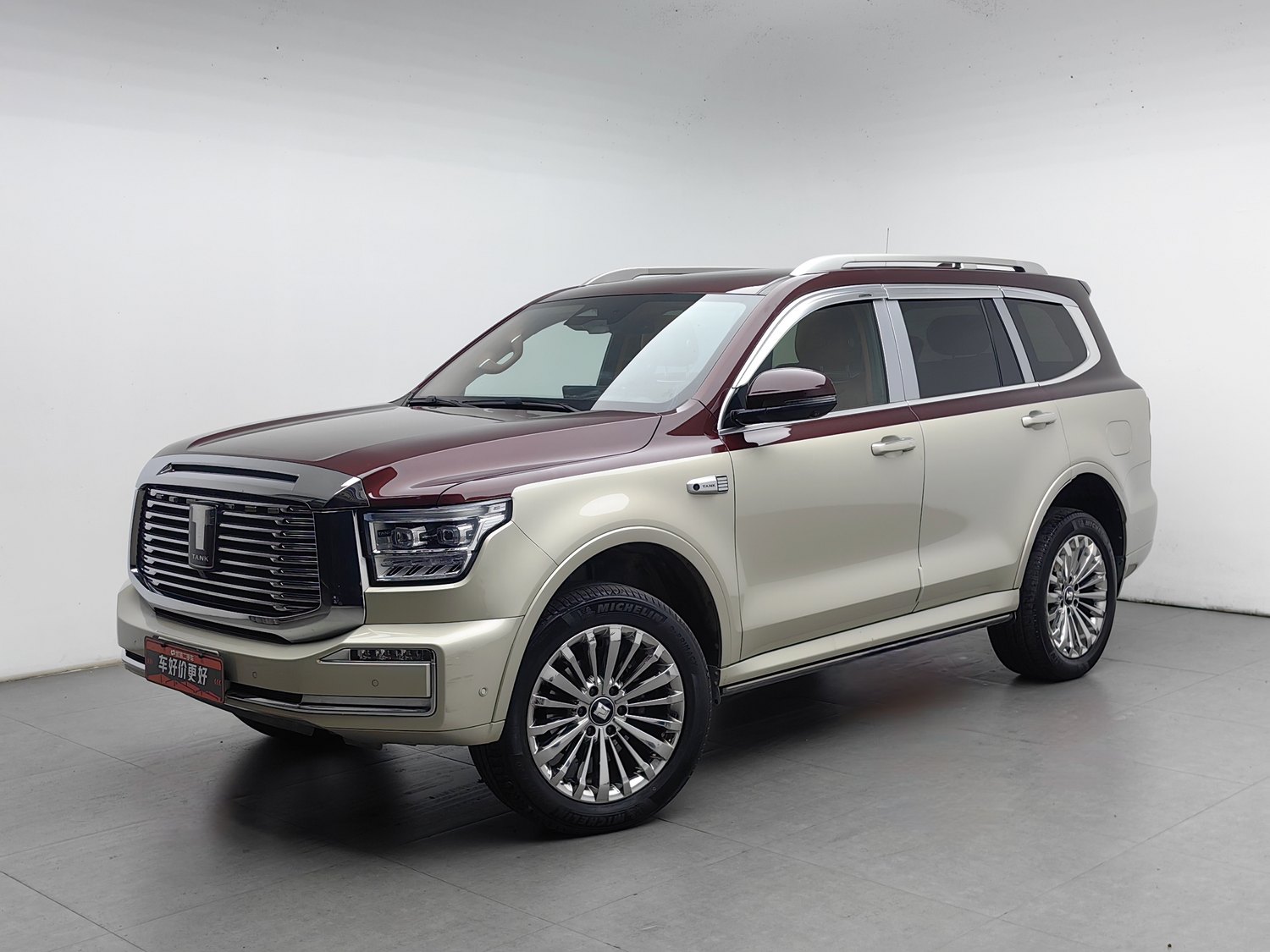
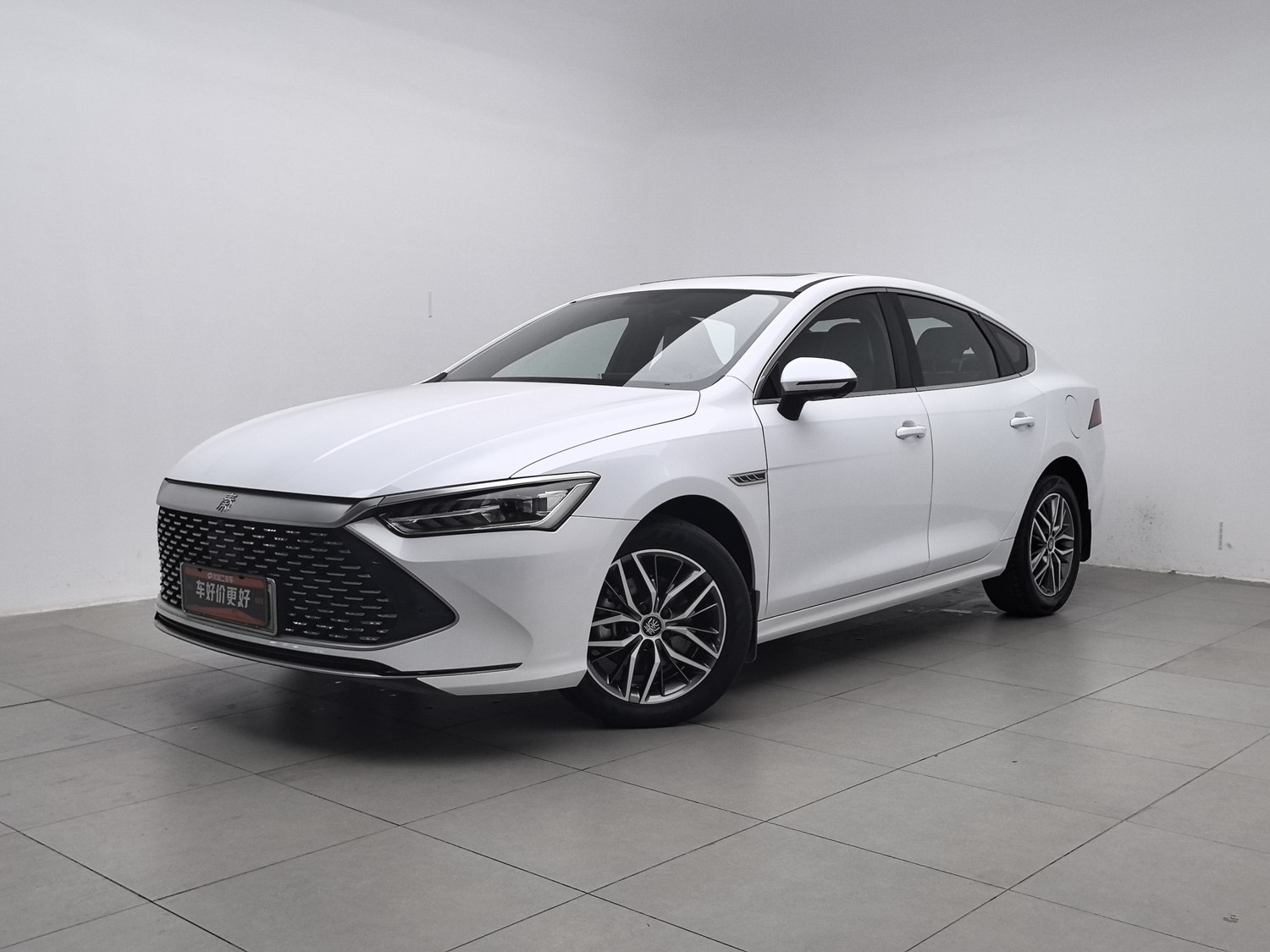
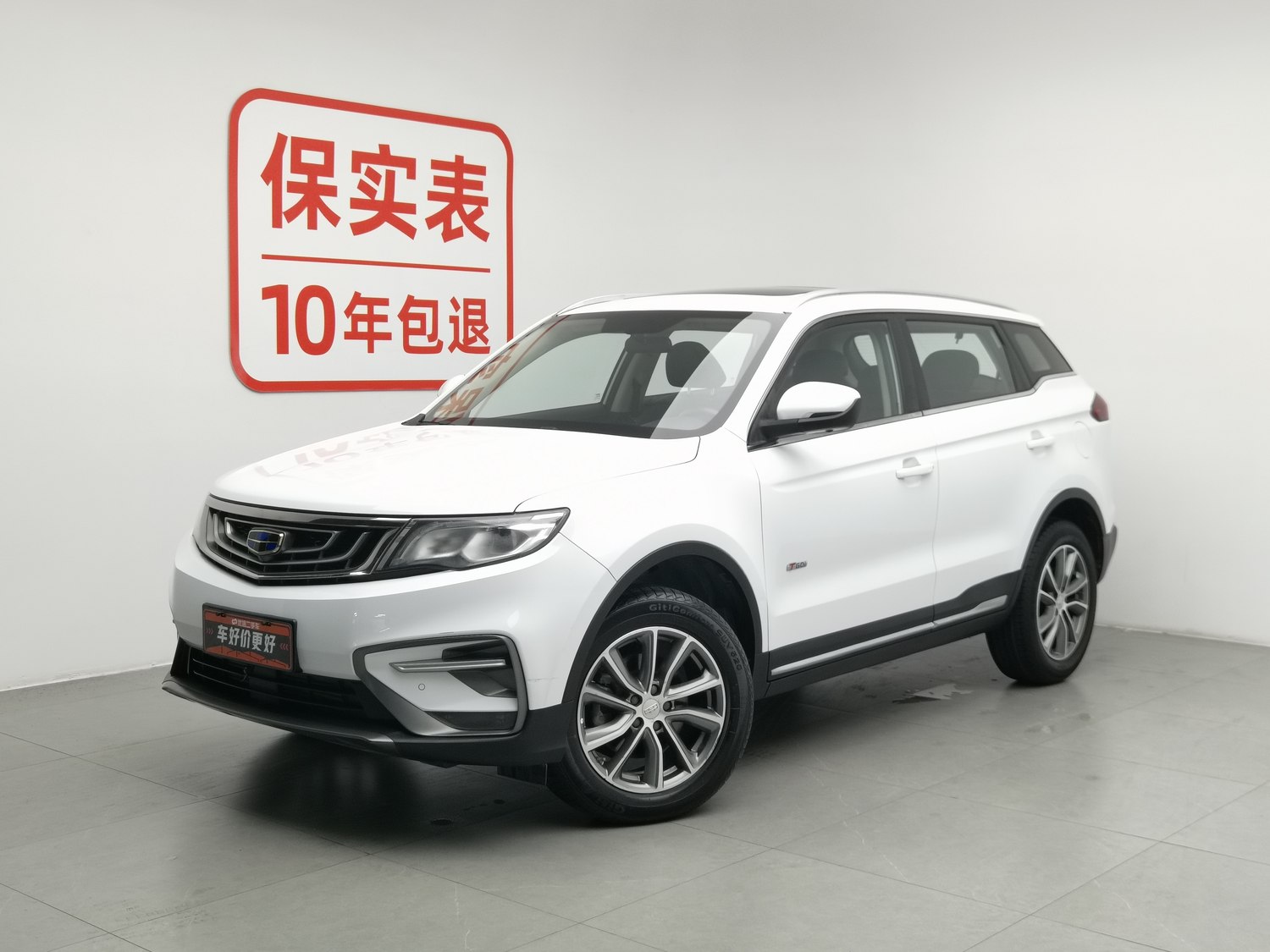
Finding vehicles in China means sourcing new or used cars from China's large automotive market and coordinating vehicle selection, verification, export preparation and international delivery for a destination market.China offers a combination that is difficult to reproduce in smaller sourcing markets: high vehicle availability, broad brand choice, multiple powertrain technologies and established export infrastructure. The country is not only a major producer of Chinese-brand vehicles; it also has a large population of Toyota, Honda, Nissan, Volkswagen, Mercedes-Benz, BMW, Hyundai, Kia, Mazda and other internationally recognized models produced or sold through local partnerships.For global buyers, this makes China useful for both mainstream and specialized purchasing. A dealer can source affordable used gasoline sedans, late-model family SUVs, premium vehicles, electric city cars and commercial units through one supply market. A fleet operator can specify model year, mileage, fuel type, seating capacity and quantity. A private-label distributor can compare Chinese EVs and hybrids with traditional global brands before building a local product portfolio.
China Provides a Deep New and Used Vehicle Supply Base
China's used-vehicle export sector has expanded rapidly since the national pilot program began in 2019. Official information published by the China (Shanghai) Pilot Free Trade Zone reported that China exported approximately 275,000 used vehicles with an export value of US$6.88 billion in 2023. The same official source noted the development of one-stop registration and port logistics services intended to improve export efficiency.This scale matters because a larger supply base gives buyers more choices in model year, trim, mileage, color and price. It also allows professional exporters to source vehicles from several channels instead of depending on one dealership or one city. However, volume does not guarantee quality. The buyer still needs a written specification and a vehicle-by-vehicle approval process.
Buyers Can Compare New, Nearly New and Conventional Used Cars
One of China's main sourcing advantages is the ability to compare different vehicle conditions within the same model family. A buyer may choose a factory-new export vehicle, a registered but very low-mileage unit, a two- to three-year-old vehicle or an older used car with a lower acquisition price. Each category has a different risk, documentation and margin profile.
| Vehicle Category | Typical Commercial Advantage | Main Risk to Check | Best Suited Buyer |
|---|
| Factory-new vehicle | Current condition, predictable specification and stronger retail presentation | Export eligibility, warranty territory, destination homologation and delivery lead time | Authorized distributors, new-car dealers and fleet projects |
| Nearly new or low-mileage vehicle | Potential price advantage compared with equivalent new stock | Registration history, legal export status, warranty validity and exact reason for resale | Dealers targeting younger inventory at competitive prices |
| Young used car, approximately 0–3 years | Good balance of price, modern equipment and remaining service life | Accident repair, mileage evidence, service records and electronic functions | Mainstream used-car dealers and corporate fleets |
| Gently used car, approximately 3–5 years | Lower acquisition cost and broader model availability | Deferred maintenance, tire and brake wear, battery condition and resale perception | Value-focused importers and independent dealerships |
| Older used car | Lowest entry price and potential demand in price-sensitive markets | Destination age limits, repair exposure, emissions compliance and parts availability | Experienced traders with workshop and parts support |
The best category depends on the destination market. Some countries restrict vehicle age, engine capacity, emissions level or steering position. Others use customs formulas that make older vehicles unexpectedly expensive. A buyer should never assume that a cheaper vehicle in China will produce a lower retail price after duty, tax and compliance costs.
China Offers Broad Fuel and Technology Choices
Buyers can source gasoline, diesel, non-plug-in hybrid, plug-in hybrid, battery-electric and extended-range electric vehicles. This range supports different market conditions. Gasoline vehicles remain practical where charging infrastructure is limited. Hybrids can reduce fuel use without requiring daily charging. Electric vehicles may suit markets with strong charging networks, favorable tax treatment or high fuel costs.Technology choice must be based on local ownership conditions. An electric vehicle should be checked for charging connector compatibility, voltage standards, battery health, thermal management, software language, mobile connectivity and the availability of diagnostic support. A hybrid vehicle requires battery and cooling-system checks. A traditional gasoline vehicle may be easier to service, but emissions and fuel-quality compatibility still matter.
International Brands Can Support Local Resale Confidence
Many buyers begin with familiar global brands because local customers already understand the model positioning and may have access to parts and technicians. Importers looking to find used Toyota often prioritize reliability, resale recognition and broad service familiarity. Buyers who want to find used Honda may focus on efficient engines, family-car demand and internationally available maintenance parts.Familiar branding does not remove specification risk. China-market versions can differ from models sold in the destination country. The engine, trim, multimedia system, driver-assistance equipment, emissions hardware or body parts may not be identical. Importers should verify the exact VIN specification instead of relying only on the model name.
China's Export Infrastructure Supports Different Shipment Sizes
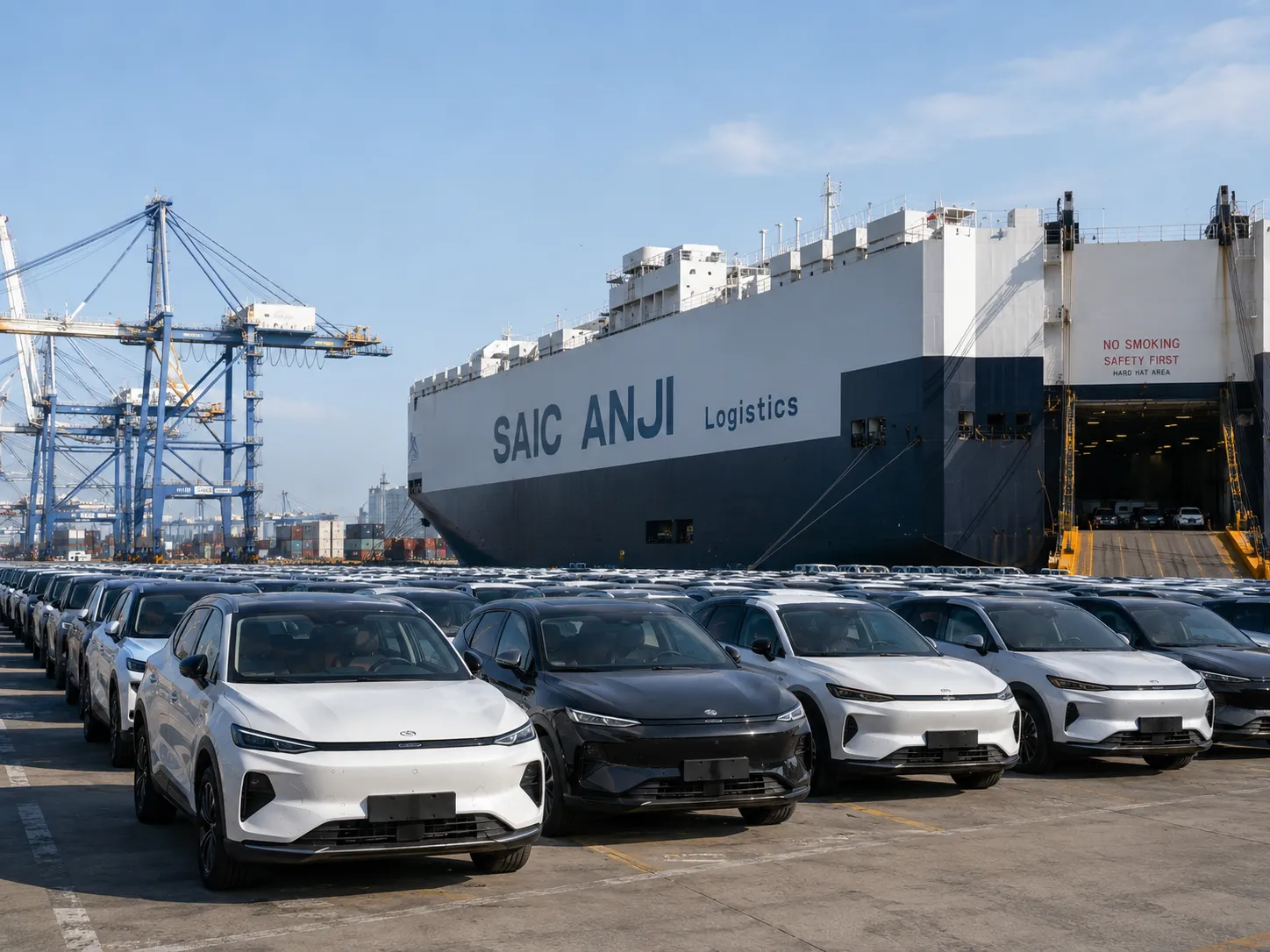
Vehicle exporters can coordinate roll-on/roll-off shipping, containerized transport and inland delivery to departure ports. RoRo service can be efficient for operable vehicles and larger batches on supported routes. Containers may provide more control for higher-value vehicles, mixed cargo or destinations without suitable RoRo schedules.Shipping availability changes by port, route and season. Buyers should request a current logistics quotation and confirm what is included. The vehicle price, China inland transport, export handling, terminal charges, ocean freight, cargo insurance and destination charges should be listed separately whenever possible.

Challenges When Trying to Find the Right Vehicle Overseas
Overseas vehicle sourcing challenges are the information, quality, compliance, cost and transaction risks that prevent a buyer from confidently comparing and importing vehicles from another country.The main problem is not a lack of listings. It is the difficulty of determining which listing represents a legally exportable, accurately described and commercially suitable vehicle. Online marketplaces can make hundreds of cars appear comparable even when their histories, specifications and included services are different.
Listing Information May Be Incomplete or Inconsistent
A basic listing may show the brand, model, year, mileage and price but omit the manufacturing date, exact trim, engine code, emissions standard, steering position, battery capacity, charging connector, accident history or ownership status. Photographs may not show the underbody, roof, chassis rails, instrument warnings or identification plates.Buyers should use a standardized request form. At minimum, it should ask for the VIN, manufacturing date, first registration date, mileage, fuel type, engine or motor specification, drivetrain, steering position, seating capacity, emissions information, exterior and interior condition, service history, number of keys and known faults.
The Cheapest Vehicle May Produce the Highest Landed Cost
A low listing price can hide additional costs. The vehicle may require tires, a 12-volt battery, paint repair, mechanical servicing, software adjustment, export documentation or transport from a distant city. It may also attract higher duty because of engine size, vehicle age or customs valuation rules.Global buyers should calculate landed cost before approval:Landed cost = vehicle price + sourcing and inspection + repairs and preparation + China inland transport + export handling + ocean freight + insurance + destination port costs + customs duty and tax + homologation or inspection + registration preparation + contingency.A useful purchase ceiling works backward from the expected selling price. If the realistic retail price is US$20,000, the target gross profit is US$3,000 and all non-vehicle costs plus contingency equal US$5,500, the maximum vehicle acquisition price is US$11,500. This prevents emotional purchasing and protects margin.
Vehicle History Cannot Be Judged from Mileage Alone
Low mileage can be attractive, but it is not proof of good condition. A low-mileage vehicle may have accident repairs, flood exposure, long periods of storage or incomplete maintenance. A higher-mileage vehicle with documented servicing and original structural condition may be the safer commercial purchase.For vehicles using the standard system, a VIN contains 17 characters. The VIN can help identify encoded manufacturing information, but it does not automatically reveal ownership, accident or maintenance history. Buyers should match the VIN on the vehicle, manufacturer plate and transaction documents, then combine it with inspection evidence and available records.
Remote Inspection Creates an Information Gap
Most international buyers cannot physically inspect every vehicle. This creates dependence on the exporter, inspection company or seller. A general statement such as “excellent condition” is not enough. The buyer needs measurable evidence: paint readings, cold-start video, diagnostic scan, tire depth, dashboard warning check, underbody photographs, road-test notes and close-up images of defects.The inspection scope should change by vehicle type. Electric vehicles require battery and charging checks. Premium vehicles need deeper electronic diagnostics. Older SUVs may require closer suspension and underbody inspection. Hybrid vehicles need battery cooling and system-warning checks. A universal one-page inspection cannot cover every risk.
Destination Regulations Can Make a Good Vehicle Unusable
Import rules vary by country and can change. A destination may restrict vehicle age, right-hand or left-hand drive, emissions standard, damaged vehicles, battery transport, engine size or certain vehicle categories. Requirements may include an import permit, pre-shipment inspection, certificate of conformity, type approval, homologation or local roadworthiness testing.Compliance should be confirmed before payment. The importer should consult the relevant customs authority, transport regulator or licensed customs broker and provide the exporter with written requirements. A vehicle that cannot be registered has no practical resale value even if its purchase price and physical condition are attractive.
New-Energy Vehicles Add Software and Charging Questions
EV and plug-in hybrid buyers should verify whether the charging standard matches local infrastructure and whether an approved adapter is practical. They should also check battery usable capacity, fast-charging performance, thermal management, warranty territory, software language, navigation region and mobile-app availability.Some connected services may depend on a Chinese mobile number, regional server or manufacturer account. The car can still be drivable without every connected feature, but the buyer must understand what will and will not work after export. These limitations should be disclosed before retail sale.
Payment and Supplier Identity Must Be Verified
Vehicle transactions involve significant funds and can attract impersonation or invoice fraud. Buyers should verify the legal company name, bank beneficiary, business address, contact information and export capability. Any last-minute change to bank details should be independently confirmed through a known communication channel.The sales contract or proforma invoice should identify the vehicle, VIN where available, condition, price, included services, delivery term, payment schedule, inspection standard, document responsibilities and remedy for a material mismatch. Clear written terms reduce disputes and help both parties manage the shipment.
How to Find the Right Vehicle Step by Step
Finding the right vehicle is a structured procurement process that converts the buyer's market requirements into a verified vehicle specification, approved cost, documented condition and controlled export transaction.The following process can be used for one vehicle or a large dealer shipment. The level of detail should increase with order value, vehicle complexity and distance from the buyer's service network.
Step 1: Define the Destination Market Before Searching
Start with the country where the vehicle will be registered and sold. Record the allowed vehicle age, steering position, emissions requirement, engine or motor restrictions, safety standards, import permits, inspection requirements and tax calculation method. Confirm whether the rules differ for new, nearly new and used vehicles.Next, define the target customer. A rental fleet may need simple specifications, durable interiors and identical units. A retail dealer may need several price levels and popular colors. A premium buyer may prioritize service history and cosmetic quality. A rural market may value ground clearance and simple drivetrains more than advanced infotainment.
Step 2: Create a Written Vehicle Specification
A complete specification should include:
Accepted brands and model names
New or used condition
Model-year range and maximum mileage
Body type and seating capacity
Left-hand or right-hand drive
Fuel type and preferred engine or battery specification
Transmission and drivetrain
Required safety and comfort features
Accepted exterior and interior colors
Maximum accident, repaint and cosmetic limits
Required service-history standard
Target vehicle price and maximum landed cost
Quantity and preferred shipment date
The specification should also contain automatic rejection rules. Common examples are structural welding, flood evidence, fire damage, altered identification numbers, unresolved ownership problems, serious powertrain faults, airbag deployment without documented repair or a configuration that fails destination compliance.
Step 3: Search by Commercial Fit, Not Only by Model Name
A good search should compare several qualifying vehicles. Buyers can search Zacarmate's new and used vehicle inventory by brand, fuel type, body style, price. The purpose of the shortlist is not to select the cheapest car immediately; it is to identify vehicles that meet the same commercial standard.When comparing options, normalize the information. Ask for the same photographs, documents and inspection items for each vehicle. A US$500 price difference is difficult to evaluate if one vehicle includes export preparation and new tires while the other requires additional work.
Step 4: Verify Supplier and Vehicle Identity
Confirm that the supplier's legal name matches the invoice and bank beneficiary. Verify its physical contact information, export role and responsibility for the transaction. For the vehicle, match the VIN or chassis number across the body, manufacturer labels, registration material and sales documents.Request clear photographs of identification locations. Look for inconsistent fonts, damaged plates, fresh paint around stamped areas or document details that do not match the vehicle. Any identification concern should stop the transaction until it is resolved.
Step 5: Complete a Document Review
The required document set depends on whether the vehicle is new or used and on the destination. The buyer should confirm which party provides the commercial invoice, packing or vehicle list, export declaration materials, ownership or deregistration documents, certificate of origin where applicable, inspection certificate, bill of lading and supporting specification documents.Document review should happen before full payment and again before shipment. Names, VINs, quantities, values and delivery terms must be consistent. A typing error can delay customs clearance even when the physical vehicle is correct.
Step 6: Perform a Condition Inspection
For used vehicles, the inspection should include the following areas:
Exterior: paint depth, panel gaps, glass, lights, wheels and visible repair quality
Structure: chassis rails, pillars, floor, suspension mounts and signs of welding
Flood and fire: corrosion, mud, odor, water lines, damaged connectors and heat evidence
Engine and transmission: cold start, leaks, warning lights, fluid condition and road-test behavior
Brakes and suspension: pad and disc wear, shock absorbers, steering, noise and vibration
Tires: size, production date, tread depth, damage and uneven wear
Interior: seats, trim, switches, air conditioning, windows, locks and keys
Electronics: diagnostic scan, cameras, sensors, infotainment and driver-assistance systems
EV or hybrid systems: battery data, charging, warning codes and thermal management
Photographs should show both the general condition and every disclosed defect. A video should demonstrate cold start, dashboard warning-lamp sequence, engine sound, air conditioning and key electronic functions. Where possible, the road test should continue until the powertrain approaches normal operating temperature.
Step 7: Compare New and Used Vehicle Economics
A used vehicle is not automatically the better-value choice. Compare the used-car discount with its preparation cost, shorter warranty, mileage, age-related tax and future resale value. In some markets, a new vehicle may receive better financing or lower duty. In others, a two-year-old vehicle may provide the strongest margin.
| Decision Factor | New Vehicle | Used Vehicle | Buyer Question |
|---|
| Acquisition price | Usually higher | Usually lower, depending on age and demand | Does the discount remain after preparation and tax? |
| Condition uncertainty | Lower, but transit and storage still require inspection | Higher and dependent on history | Is the inspection evidence sufficient? |
| Warranty | May be available but can be region-limited | Often limited or unavailable | Who carries repair risk after arrival? |
| Specification | Current features and emissions technology | Wider choice of model years and discontinued trims | Can the exact specification be serviced locally? |
| Retail positioning | Stronger new-car presentation | Lower customer entry price | Which customer segment is the dealer targeting? |
| Margin model | May rely on volume, finance and after-sales | May offer higher unit margin when condition is controlled | What is the realistic total profit after all costs? |
Step 8: Calculate the Complete Landed Cost
Request itemized figures for the vehicle, inspection, repairs, inland delivery, export handling, freight and insurance. Ask a destination customs broker to estimate duty, tax, port charges and local compliance costs for the exact vehicle. Use a contingency reserve rather than assuming every cost will match the first estimate.For mainstream young used vehicles, a buyer may use a smaller repair reserve than for older premium or high-technology vehicles. The reserve should be based on likely repair cost, not only vehicle price. Tires, batteries, cameras, suspension modules or charging components can materially change the margin.
Step 9: Approve the Vehicle and Contract in Writing
The final approval should identify the exact vehicle and attach the agreed condition information. The contract should state the delivery term, shipment method, payment schedule, included documents and procedure if the vehicle materially differs from the approved inspection.A staged payment can provide better control where commercially available. For example, the buyer may pay a deposit to secure the unit and release the balance after inspection approval and document confirmation. The exact arrangement depends on supplier terms and the transaction relationship.
Step 10: Control Export Preparation and Loading
Before loading, request final photographs showing mileage, fuel level, exterior condition, keys and accessories. Confirm that personal items have been removed and loose accessories are secured. Record any change from the approved inspection.For container loading, confirm vehicle positioning, securing and protection. For RoRo shipment, confirm the vehicle is operable and complies with carrier requirements. Obtain the bill of lading details and final shipping documents promptly so the destination broker can prepare clearance.
Step 11: Inspect Again After Arrival
The destination inspection should compare the vehicle with the pre-shipment record. Check for transport damage, missing accessories, warning lights and battery condition. Record concerns immediately and notify the carrier, insurer or exporter within the required claim period.Complete local servicing, compliance work and detailing before retail delivery. Dealers should keep the sourcing and inspection file because documented condition can improve customer trust and support more transparent sales.
How Zacarmate Helps Global Buyers Find Vehicles Easily
Zacarmate is a China-based new and used vehicle export partner that helps international buyers search multi-brand inventory, verify vehicle information, coordinate quality control and manage export logistics.The value of an export partner is not simply access to listings. Global buyers need one team that can translate their commercial requirements into a sourcing specification, compare available vehicles, identify risks and coordinate the China side of the shipment. Zacarmate supports importers, dealers and fleet customers through this process.
Multi-Brand Vehicle Search in One Sourcing Process
Zacarmate's platform covers new and used vehicles across Chinese and international brands. Buyers can compare Toyota, Honda, Nissan, Volkswagen, Mercedes-Benz, BMW, Hyundai, Kia, BYD, Geely, Chery and other manufacturers according to budget, fuel type, body style, year and mileage.This is useful for buyers who do not want to depend on one brand. A dealer can build a mixed shipment containing mainstream gasoline vehicles, family SUVs, hybrids and electric vehicles. A fleet can request repeatable specifications and quantities. Zacarmate can also source according to a buyer's written request when a suitable unit is not visible in current online inventory.
Vehicle Matching Based on the Buyer's Market
A useful sourcing consultation begins with the destination country and intended customer. Zacarmate can shortlist vehicles according to steering position, powertrain, price, age, mileage, body type, seating capacity and preferred features. This reduces time spent reviewing unsuitable listings.Buyers should provide as much detail as possible. A request for “a cheap Toyota” can produce many unrelated options. A request for “left-hand-drive Toyota compact SUVs, 2022 or newer, below 50,000 km, gasoline or hybrid, white or silver, no structural accident and a defined landed-cost target” produces a more actionable search.
Condition Evidence for Remote Purchasing
Zacarmate can coordinate vehicle inspection and provide information needed for remote approval. The exact scope should be agreed before purchase and can include identity photographs, exterior and interior condition, diagnostic scanning, mechanical checks, road-test feedback and defect disclosure.Different vehicles require different inspection priorities. Used Toyota and Honda models may be evaluated for service history, powertrain condition and accident repair. Premium cars require more detailed electronic checks. EVs require battery and charging evaluation. The buyer can request additional model-specific checks when known risks exist.
Export Documentation and Logistics Coordination
Zacarmate supports the China-side export process, including document coordination, inland transport, export handling and shipment planning. The company's official website describes both RoRo and containerized logistics options and states that vehicles undergo multi-point quality-control procedures.According to a Zacarmate company update published in May 2026, its total export volume increased 46.76% year on year in the first quarter of 2026, while the backlog for specialized vehicle orders exceeded RMB 100 million. The same update states that Zacarmate secured an automobile export license in late 2025 and standardized quality-control and logistics processes. These are company-reported figures and should be considered together with the terms of the specific transaction.
Support for New and Used Vehicle Buyers
New-car buyers may need factory specification confirmation, production or stock timing, export eligibility and warranty clarification. Used-car buyers usually need deeper condition, history and ownership checks. Zacarmate can separate these workflows while keeping communication and logistics under one export process.For dealer and fleet orders, buyers can request a consolidated shortlist with essential specifications and quoted terms. This makes it easier to compare vehicles internally and approve purchases in batches. Repeat buyers can refine standards based on actual preparation cost, sales speed and customer feedback.
A Clear Inquiry Produces a Faster and More Accurate Quote
To receive a targeted proposal, send Zacarmate the following information:
Destination country and destination port
New or used vehicle requirement
Preferred brands and models
Model-year and mileage limits
Steering position and fuel type
Body style, seating and required features
Maximum vehicle or landed-cost budget
Quantity and desired shipment schedule
Accepted accident and cosmetic standard
Known destination compliance requirements
Zacarmate can then compare available inventory, identify suitable sourcing options and prepare a vehicle-specific quotation. This approach improves response quality and reduces the risk of purchasing stock that does not match the buyer's market.
Frequently Asked Questions About Finding Vehicles in China
1. Is it safe to buy a new or used car from China?
It can be safe when the buyer verifies the supplier, vehicle identity, condition, documents, payment details and destination compliance before transferring funds. The transaction should use written specifications, inspection evidence and a clear contract rather than relying only on online photographs or a low price.
Use a professional export platform or sourcing partner that can filter by brand, model, year, mileage, fuel type and condition. Define the exact vehicle standard and request inspection evidence for each shortlisted unit. China-market trim and equipment should be verified by VIN and specification data.
3. Should I buy a new car or a used car for import?
Choose based on total landed cost, customer demand, import tax, warranty, condition risk and expected resale value. A used vehicle may offer a lower entry price, while a new vehicle may provide stronger presentation and more predictable condition. Compare both using the same cost model.
4. What documents should I check before buying?
Check the commercial invoice or proforma invoice, vehicle identification information, ownership or registration documents for used vehicles, export documentation responsibilities, certificate of origin where applicable, inspection documents and planned bill of lading details. Requirements vary by destination.
5. How do I know whether an electric vehicle will work in my country?
Verify the charging connector, voltage and frequency, battery specification, fast-charging compatibility, software language, app availability, warranty territory and local diagnostic support. Confirm destination regulations for EV imports and battery-containing shipments before purchase.
6. What information should I send Zacarmate to receive a quote?
Provide the destination country, preferred brand and model, new or used condition, year, mileage, steering position, fuel type, budget, quantity, required features and shipment schedule. Include destination compliance rules and accepted vehicle-condition standards whenever available.
Conclusion: Use a Verified Process to Find the Right Vehicle from China
Definition: Reliable vehicle sourcing from China is the process of matching market demand with a compliant vehicle, verified supplier, documented condition, complete landed-cost calculation and controlled export shipment.China gives global buyers access to a broad mix of new and used vehicles, including mainstream international brands, premium models and rapidly developing Chinese electric and hybrid vehicles. The opportunity is significant, but successful importing requires more than browsing listings.Begin with the destination country's rules and a written customer profile. Define the exact specification, compare equivalent vehicles, verify supplier and vehicle identity, inspect condition, review documents and calculate every component of landed cost. Approve the transaction only when the vehicle, contract and logistics plan match the commercial target.Zacarmate helps global importers, dealers and fleet buyers simplify this process through multi-brand sourcing, vehicle matching, quality-control coordination, export documentation and international logistics support. A detailed inquiry allows the Zacarmate team to respond with more relevant vehicles, clearer quotations and a sourcing plan aligned with the buyer's market.
External References
The following official and authoritative sources support the vehicle-export and identification information used in this guide.
Zhongan TikTech (Anhui) Co., Ltd.
Zhongan TikTech (Anhui) Co., Ltd., a Conch Group SOE, exports quality new & used vehicles globally with 40+ years' foreign trade expertise.

 EN
EN
 fr
fr  es
es  ru
ru  pt
pt