Before a used vehicle enters dealer inventory, it should meet three conditions: its history and physical condition must be reasonably verifiable, its total acquisition and reconditioning cost must leave enough resale margin, and its specification must fit actual demand in the target market. A clean exterior, low mileage, or attractive purchase price is not sufficient on its own.
For professional dealers, the objective of pre-inventory inspection is not simply to determine whether a vehicle can still be driven. It is to establish whether the vehicle can be prepared, priced, sold, and supported after the sale without creating unnecessary financial or reputational risk. This requires checking documentation, accident history, mileage consistency, mechanical condition, electronics, tyres, expected maintenance, local parts availability, and resale potential before committing capital to the unit.
What Should a Dealer Check First on a Used Vehicle?
The first stage should be a documentary and commercial screening rather than a detailed mechanical inspection.
Start by confirming that the VIN or chassis identification corresponds with the available documents and the physical vehicle. The model year, manufacturing information, engine specification, transmission, drivetrain, fuel type, reported mileage, and ownership records should be internally consistent.
An attractive car with unclear documentation can become a much greater problem than a vehicle requiring a predictable mechanical repair.
Dealers should then decide whether the exact specification fits their inventory strategy. A mechanically healthy vehicle can still be poor stock if its engine size, fuel type, model generation, colour, drivetrain, age, or price range does not match local demand.
This matters particularly for international dealers. A specification that sells quickly in one country may have limited demand in another because of fuel prices, taxation, import rules, parts availability, road conditions, or consumer preferences.
Before investing in a full inspection, dealers should therefore determine whether they would actually want to retail or wholesale that exact vehicle if its condition proves acceptable.
How Important Is a Vehicle History Report?
A vehicle history report is a valuable screening tool, but it should never replace physical inspection.
History information may reveal previous ownership, title issues, recorded accidents, odometer records, salvage status, or flood-related information where the relevant reporting system captures those events. The U.S. Federal Trade Commission recommends obtaining a vehicle history report but also emphasizes that such a report is not a substitute for an independent mechanical inspection because mechanical problems may not appear in the report.
For dealers, this distinction is critical.
A vehicle with a clean report can still have undocumented repair work. Accidents repaired privately may never appear in a database, and some damage records can be incomplete.
The reverse is also true. A vehicle with a recorded minor accident is not automatically unsuitable for dealer inventory. What matters is where the damage occurred, whether structural areas were affected, how repairs were completed, and whether the history materially changes customer expectations or resale value.
History reports should therefore guide the inspection rather than determine the purchase decision by themselves.
Can a Clean Vehicle History Report Hide Accident Damage?
Yes. This is why body and structural inspection remains essential.
Paint thickness is useful for identifying areas that may have been refinished. A significantly different reading between adjoining panels can indicate repair even when the paint colour appears uniform.
Panel alignment should also be assessed around the hood, doors, fenders, tailgate, lamps, and bumpers. Irregular gaps do not prove major collision damage, but they provide a reason to inspect further.
Fasteners can offer additional evidence. Tool marks, disturbed factory paint, or unusual positioning around bolts may indicate that a component has previously been removed.
The more important inspection takes place underneath cosmetic surfaces. Dealers should look at structural rails, pillars, suspension mounting areas, floor sections, apron panels, welds, and underbody structures.
A replaced fender is commercially different from a repaired chassis rail.
The question should therefore not simply be whether a car has been repaired. Dealers need to establish whether previous damage changes structural integrity, wheel alignment, electronic calibration, safety-system operation, disclosure requirements, or resale price.
How Should Dealers Evaluate Previous Accident Repairs?
Accident assessment should separate cosmetic repair from structural repair.
Minor paintwork or replacement of a bolt-on exterior panel may have limited commercial impact in some price segments. Repairs involving pillars, structural rails, floors, suspension mounting areas, or airbag systems deserve much closer examination.
Repair quality matters as much as repair location.
Poor welds, excessive filler, incorrect sealant, distorted mounting points, unfinished corrosion protection, mismatched paint, or unusual underbody coatings can indicate low-quality work.
Airbag and seat-belt systems also require attention after significant accident damage. The absence of an illuminated warning lamp does not by itself confirm that every restraint component is original and functioning correctly.
On newer vehicles, collision repair can extend beyond sheet metal. Cameras, parking sensors, radar equipment, lighting systems, steering sensors, and other driver-assistance components may require replacement or calibration.
This becomes particularly important when evaluating relatively recent premium SUVs. A vehicle may look cosmetically restored while still requiring expensive electronic diagnosis or calibration before it reaches an acceptable retail standard.
Dealers need to identify those costs before setting the acquisition price.
What Mechanical Systems Should Dealers Inspect?
Mechanical inspection should focus on future ownership risk rather than simply determining whether the vehicle starts and moves.
Where possible, the engine should be observed from a cold start. Some abnormal noises, idle behaviour, smoke, warning conditions, or fluid-related problems are less obvious once the engine is warm.
Oil and coolant condition should be examined alongside evidence of leakage and previous maintenance. The cooling system deserves particular attention on older vehicles and on units intended for hot climates or frequent highway use.
Transmission operation should be evaluated from initial engagement through low-speed movement, normal acceleration, deceleration, and steady-speed driving. Delayed engagement, unusual vibration, slipping, harsh changes, or inconsistent responses need further diagnosis.
Suspension and steering condition affect both safety and customer perception. A used car that produces knocking noises, steering vibration, excessive play, uneven tyre wear, or poor straight-line stability will require attention before retail.
Brake condition should also be included in the dealer's cost calculation. Pad wear, disc condition, pedal response, electronic warnings, and braking stability can create immediate preparation costs even when the vehicle remains technically driveable.
A short road test that produces no major warning lights is not enough to establish inventory quality.
Should Dealers Perform a Diagnostic Scan Before Buying?
For modern vehicles, diagnostic scanning should form part of the inspection process.
A vehicle can store faults without displaying a current dashboard warning. Depending on the system, diagnostic information may identify intermittent sensor problems, communication faults, emissions issues, or electronic systems requiring further testing.
The value of scanning increases as vehicle complexity rises.
Modern SUVs may have multiple control systems governing engine management, transmission operation, braking, steering, airbags, body electronics, parking assistance, cameras, and driver-assistance functions.
Premium vehicles can add even more electronic equipment, increasing both retail appeal and potential repair cost.
The presence of a stored code does not automatically justify rejecting a vehicle. What matters is identifying the cause and estimating its effect on preparation cost.
Dealers should also be cautious when a vehicle appears to have had its fault memory cleared immediately before inspection. A longer road test and repeat scan can help determine whether faults return once the relevant systems complete their operating cycles.
How Can Dealers Verify Used-Car Mileage?
Mileage should be checked against documentary evidence, service history, electronic information where available, and the physical condition of the vehicle.
Maintenance records and previous inspection information can help create a mileage timeline. Registration documents, earlier sales information, and service entries may provide additional reference points.
Interior wear is useful as a consistency check. The driver's seat, steering wheel, pedals, gear selector, door handles, control buttons, and frequently touched surfaces should appear broadly reasonable for the stated mileage.
This is not an exact science. A vehicle used mainly on highways can have high mileage with limited interior wear, while intensive urban or commercial use can produce visible deterioration relatively quickly.
Tyres can provide additional clues through manufacturing dates and wear patterns.
Where a vehicle is being sourced remotely, mileage verification becomes even more important because an overseas dealer may be making the acquisition decision without inspecting the car personally.
What Mileage Is Too High for Dealer Inventory?
There is no universal mileage ceiling for dealer stock.
A higher-mileage vehicle can still make sense when its history is understandable, maintenance has been consistent, the mechanical condition is strong, and the acquisition price leaves enough room for preparation and resale.
Mileage should always be interpreted relative to age.
A relatively recent vehicle with unusually high mileage may have been used intensively for business, fleet, rental, or long-distance travel. An older car with the same mileage may represent relatively normal annual use.
Low mileage also needs context. An older low-mileage vehicle may have aged tyres, old fluids, deteriorated rubber components, cooling-system aging, battery problems, or long-storage issues.
Dealers should additionally consider buyer psychology. Certain mileage thresholds can have a disproportionate effect on resale demand even when crossing that number makes little immediate mechanical difference.
The correct inventory decision therefore combines mechanical risk with the price customers are likely to accept.
How Much Does Tyre and Suspension Condition Matter?
More than many acquisition calculations assume.
Tyres are both a wear item and a record of how the vehicle has been used. Dealers should consider tread condition, age, sidewall damage, uneven wear, previous repairs, and whether the tyres are appropriate and consistent across the vehicle.
Uneven shoulder wear may point toward alignment problems, worn suspension components, or previous wheel impacts.
Wheel condition can reveal similar issues. Bent or badly damaged rims may cause vibration or sealing problems and can increase refurbishment expense.
Suspension wear should be assessed through ride behaviour, noise, steering response, alignment, and physical inspection of relevant components.
This is particularly important when acquiring SUVs that may have spent years on broken urban roads or poorer rural surfaces. A vehicle can have a healthy engine and transmission while still requiring substantial suspension and tyre work before it is commercially suitable.
For dealers, the key is not merely detecting the defect. It is attaching a realistic cost to it before the purchase price is agreed.
What Should Dealers Check When Buying a Used SUV?
Used SUVs deserve additional attention to road-use history, drivetrain specification, and underbody condition.
Dealers should not assume that every SUV has experienced the same type of use. Many remain entirely on urban roads, while others may have been exposed to gravel, construction sites, rural routes, or genuine off-road conditions.
Underbody evidence helps distinguish these histories. Minor scratches may be acceptable, while dented protection panels, damaged drivetrain components, leaking seals, distorted mounting areas, or significant impact damage require closer inspection.
Drivetrain configuration should be verified rather than inferred from the model name. Some SUV ranges are available in both two-wheel-drive and all-wheel-drive forms.
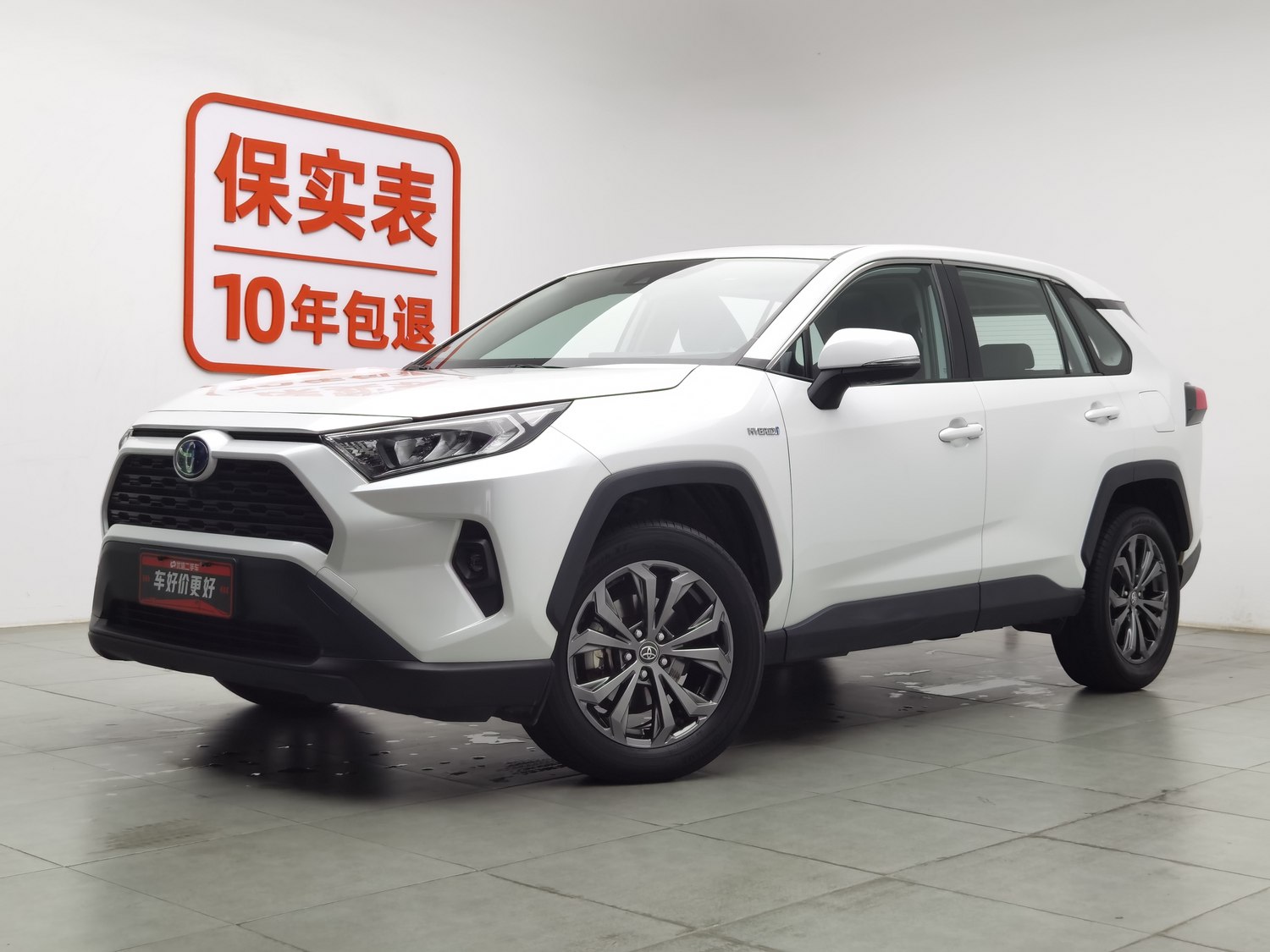
This matters when customers intend to buy used toyota rav4, because a dealer should source the specific RAV4 configuration that fits the target market rather than treating every example as interchangeable. Model year, mileage, drivetrain, accident history, tyres, interior condition, and local resale demand all influence whether an individual vehicle deserves inventory space.
A four-wheel-drive specification may add value in regions with mud, snow, gravel, or steep roads. In urban markets where traction is rarely an issue, buyers may place greater value on lower acquisition cost, fuel economy, and clean cosmetic condition.
How Should Dealers Evaluate a Used Nissan X-Trail?
The X-Trail is a good example of why familiar model names should not replace unit-level inspection.
When sourcing a nissan x trail used car, dealers should first confirm the exact model year, engine, transmission, drivetrain, mileage, and market specification.
For a 2019-era vehicle, inspection should include cooling performance, engine behaviour, transmission operation, steering, suspension, tyres, accident history, underbody condition, electronics, and diagnostic information.
A proper road test should include low-speed manoeuvring and normal acceleration rather than simply confirming that the vehicle moves without a warning lamp.
Family SUVs also require careful interior evaluation because rear seats, cargo compartments, door trims, climate-control systems, and storage areas may have received extensive use.
Interior refurbishment is not mechanically complex, but it can materially change dealer margin.
A vehicle requiring tyres, suspension work, several body repairs, and major interior restoration can quickly become unattractive inventory even if the original purchase price appears favourable.

Does Model Reputation Matter More Than Vehicle Condition?
No. Model reputation should help dealers establish a shortlist, not approve individual vehicles.
A model with strong reliability perception, local parts availability, and established resale demand can be easier to sell, but individual examples can still have poor maintenance, accident repairs, incorrect mileage, or substantial upcoming repair costs.
The reverse can also occur. A less established model in particularly good condition may offer strong value when the acquisition price is appropriate and local support is sufficient.
When dealers compare geely used cars, for example, the decision should combine model familiarity with the condition of the specific unit, local service capability, parts availability, generation, mileage, and customer price expectations.
This is increasingly relevant as Chinese vehicle brands build larger used-car populations in international markets. Dealers should evaluate actual local acceptance rather than relying exclusively on assumptions about either established or newer brands.
Inventory should be purchased around expected resale demand, not brand reputation alone.
What Should Dealers Check on a Used Premium SUV?
Premium used inventory requires a stricter preparation calculation because the cost of correcting small defects can be considerably higher.
A relatively recent Mercedes-Benz GLC, for example, may have strong retail appeal, but electronic diagnosis, lighting systems, cameras, sensors, body components, wheels, tyres, and driver-assistance calibration can create substantial costs.
Customer expectations are also different.
A cosmetic defect that may be acceptable on a budget vehicle can materially weaken the presentation of premium inventory.
Climate controls, seat functions, cameras, parking sensors, lighting, infotainment, electronic tailgates, keyless systems, driver-assistance features, and other installed equipment should operate correctly.
Interior condition deserves equal attention. Leather wear, scratched trim, damaged controls, odors, headliner condition, and previous interior repair can affect how customers perceive the entire vehicle.
Premium stock can provide stronger gross profit, but poor inspection can also produce significantly larger repair surprises.
How Should Dealers Estimate Reconditioning Cost?
Reconditioning cost should be calculated before the vehicle is purchased.
The dealer needs to estimate what it will cost to move the car from its current condition to the standard expected by the target buyer.
A useful internal calculation is:
| Cost Area | What Should Be Considered |
|---|
| Mechanical | Engine, transmission, cooling, steering and suspension |
| Routine maintenance | Fluids, filters, battery and scheduled servicing |
| Wear items | Tyres, brake pads, discs and related components |
| Body condition | Paint, dents, lamps, glass and exterior trim |
| Interior | Cleaning, seat repairs, controls and trim damage |
| Electronics | Sensors, displays, cameras, modules and diagnostics |
| Compliance | Inspection and destination-market preparation |
| Logistics | Domestic transport, port handling and international freight |
| Risk reserve | Unexpected repairs, warranty exposure and negotiation |
This calculation often changes which car represents the better purchase.
A vehicle priced $800 below another comparable unit may not be cheaper if it immediately requires $1,500 more preparation.
Professional dealers therefore compare retail-ready cost, not source price alone.
When Should a Dealer Reject a Used Vehicle?
A vehicle should be rejected when risk can no longer be estimated with reasonable confidence or when total cost approaches realistic resale value too closely.
Severe or poorly repaired structural damage is one obvious reason.
Unresolved VIN inconsistencies, questionable ownership documents, suspected odometer manipulation, extensive flood evidence, major drivetrain problems, or uncertain airbag repairs can create risks that extend well beyond normal reconditioning.
Commercial reasons can be equally important.
A vehicle may be mechanically acceptable but still unsuitable if the specification has weak demand, parts availability is poor, local workshops lack service capability, or import taxes make the retail price uncompetitive.
Large price discounts should also be investigated rather than automatically celebrated.
If a vehicle is significantly cheaper than comparable stock, dealers should establish why before interpreting the difference as profit opportunity.
Professional sourcing is not about finding cars that can technically be repaired. It is about finding cars that can be prepared and resold predictably.
How Do Dealers Know Whether a Used Vehicle Will Resell Easily?
Resale potential depends on market fit as much as physical condition.
Dealers should evaluate customer demand for the brand, model generation, body style, engine, transmission, fuel type, drivetrain, model year, mileage range, colour, equipment level, and price band.
Parts availability deserves particular attention in export markets.
A mechanically sound vehicle can become slow-moving inventory if routine replacement parts are expensive or local technicians are unfamiliar with the model.
Fuel prices and local taxation can also change demand. A larger engine may command a premium in one market but become difficult to sell in another where ownership taxes or fuel expenses are high.
Model generation influences customer perception as well. A vehicle immediately preceding a major redesign may need a stronger price advantage than its age alone suggests.
Dealers should therefore evaluate expected selling time in addition to expected selling price. A vehicle with a slightly smaller theoretical margin can be commercially superior if it turns faster and requires fewer price reductions.
Are Open Recalls Important When Buying Used Dealer Stock?
Yes. Recall status should form part of due diligence wherever an applicable official database is available.
The FTC recommends checking whether a used vehicle has open safety recalls as part of the buying process.
Dealers should understand whether an unresolved recall can be completed before retail sale and whether the relevant manufacturer support remains available after the vehicle is exported.
Recall handling can become more complicated in international trade because a remedy available through a manufacturer network in the original market may not always be administered identically in another country.
This does not mean that every vehicle with an open recall is unsuitable. It means the issue needs to be identified and resolved rather than transferred unknowingly to the next buyer.
How Important Is Flood-Damage Screening?
Flood exposure can create long-term problems that are difficult to judge from cosmetic appearance alone.
A cleaned and detailed vehicle may no longer show obvious signs of water intrusion.
Dealers should compare odor, corrosion, electrical connectors, seat rails, carpeting, wiring areas, trunk compartments, spare-wheel wells, and other low points where water or sediment may have remained.
Unusual corrosion in areas normally protected from weather deserves additional investigation.
Electrical concerns are especially important because water exposure can create intermittent faults that appear long after the initial event.
Where applicable, official vehicle-history systems can provide another layer of screening. NMVTIS in the United States is intended to provide information relating to titles, odometers, and certain damage histories, although database information should still be combined with physical inspection.
For export dealers, uncertain flood exposure should normally justify a substantial risk adjustment because later electrical diagnosis can be difficult and expensive once the vehicle reaches another country.
What Documentation Should Be Verified Before Export Inventory Is Approved?
Documentation should be treated as part of the vehicle rather than an administrative task completed after purchase.
The VIN or chassis information should match transaction documents and the physical car. Model year, manufacturing information, fuel type, engine, transmission, steering position, drivetrain, and other relevant specifications should be recorded accurately.
Export feasibility should also be established before acquisition.
Destination markets may regulate vehicle age, emissions standards, steering position, inspection requirements, ownership documentation, or other technical characteristics.
A vehicle can be mechanically excellent and still be unsuitable inventory if it cannot be registered economically in the intended country.
Document verification therefore belongs at the beginning and end of the acquisition process: first to establish whether the vehicle can be purchased safely, and again to confirm that it can be exported and registered as planned.
How Zacarmate Supports Dealers Sourcing Used Vehicle Inventory
International used-car procurement creates an additional challenge because buyers may need to evaluate many vehicles without physically inspecting every unit themselves.
Zacarmate serves overseas automotive buyers with used-vehicle sourcing and export support across multiple vehicle categories. For dealers, a more effective sourcing process begins by defining the intended inventory profile rather than simply asking for available used cars.
A distributor can specify a preferred model-year range, mileage level, vehicle type, drivetrain, price range, acceptable repair history, and destination market.
The supplier can then narrow vehicle selection around those requirements.
A value-oriented dealer may deliberately accept older vehicles if mechanical condition is strong and the acquisition cost leaves enough margin. Another buyer may focus on relatively recent vehicles with lower mileage because customers in the destination market value model year and resale potential more strongly.
Zacarmate's role in the process is therefore most useful when sourcing standards and vehicle-level condition information are combined.
For dealers, this reduces the risk of purchasing cars that appear inexpensive at source but require excessive preparation after arrival. It also helps avoid the opposite problem: paying unnecessarily high prices for vehicles whose low mileage or premium specification does not create equivalent value in the target market.
FAQ
What is the most important thing dealers should check before buying a used car?
Dealers should first establish whether the vehicle's identity, history, physical condition, acquisition cost, and market demand support a realistic resale margin. Mechanical inspection is essential, but a technically good vehicle can still be poor inventory if its specification or total preparation cost does not fit the target market.
Can a dealer rely on a clean vehicle history report?
No. A history report can identify useful information such as recorded accidents, ownership, title issues, or mileage history, but not every event is necessarily recorded. Physical inspection remains necessary to detect undocumented repairs, mechanical problems, structural damage, or other issues.
What mileage is too high for used-car inventory?
There is no universal limit. Mileage should be considered together with vehicle age, maintenance records, previous use, mechanical condition, customer expectations, and acquisition price. A well-maintained higher-mileage vehicle can still be profitable inventory if the resale market accepts it.
Should dealers buy vehicles with previous accident repairs?
Minor properly repaired damage can be acceptable depending on the market and purchase price. Structural damage, poorly repaired chassis areas, unresolved airbag issues, or problems affecting wheel alignment and electronic safety systems create greater risk and require much more careful evaluation.
How should dealers calculate the maximum price they can pay for a used vehicle?
Start with the realistic expected resale price and subtract reconditioning, maintenance, tyres, body and interior work, logistics, compliance costs, expected negotiation, and an appropriate risk reserve. The remaining figure provides a more rational maximum acquisition price than comparing source prices alone.
What makes a used vehicle good dealer inventory?
Good inventory combines verifiable condition, manageable preparation cost, appropriate mileage and age, strong market demand, local parts and service support, a competitive retail position, and enough margin to compensate for holding and warranty risk.
Conclusion
Adding a used vehicle to inventory should be treated as a capital-allocation decision rather than a simple vehicle purchase.
Dealers need to confirm that the exact specification fits their customer base, then verify vehicle identity, history, mileage, structural condition, mechanical health, electronics, tyres, suspension, previous repairs, and likely upcoming maintenance. Those findings should then be converted into a realistic preparation budget and compared with the expected resale price.
A low source price cannot compensate for uncontrolled repair costs, uncertain history, weak market demand, or slow inventory turnover. At the same time, moderate mileage or minor previous repair does not automatically make a vehicle unsuitable when the condition is understood and the acquisition price reflects it.
For international dealers, strong used-car sourcing combines clear inventory standards with vehicle-level inspection, documentation review, destination-market analysis, and realistic cost planning. Zacarmate can support overseas buyers with vehicle sourcing, condition assessment, export preparation, and logistics coordination, helping dealers select stock that can be prepared and resold with greater confidence.
External References
https://www.ftc.gov/system/files/documents/plain-language/cfr_buyers_guides_english.pdf
https://www.iihs.org/ratings/shopping-for-safety
https://consumer.ftc.gov/media/79915
Zhongan TikTech (Anhui) Co., Ltd.
Zhongan TikTech (Anhui) Co., Ltd., a Conch Group SOE, exports quality new & used vehicles globally with 40+ years' foreign trade expertise.

 EN
EN
 fr
fr  es
es  ru
ru  pt
pt