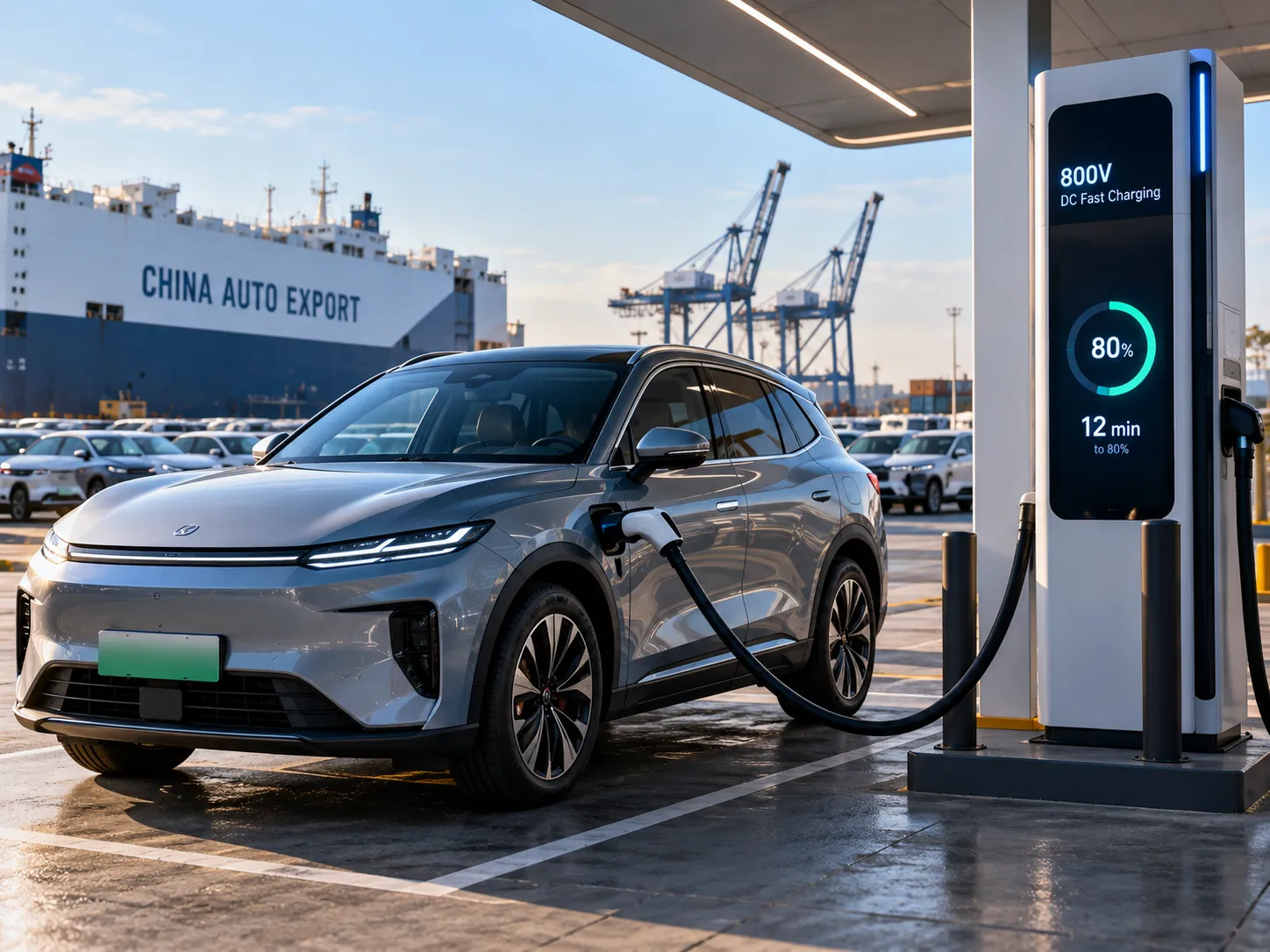
Choosing a used SUV should begin with the roads it will actually travel on. For mainly urban use, compact dimensions, predictable low-speed behaviour, fuel consumption, braking condition, and parking convenience usually matter more than maximum ground clearance or four-wheel drive. On rough or poorly maintained roads, suspension condition, tyre strength, ground clearance, steering components, and underbody damage become much more important. For regular long-distance driving, buyers should pay closer attention to seating comfort, cooling-system stability, highway behaviour, maintenance history, fuel cost, and cargo requirements.
This distinction matters because an SUV that looks attractive on a specification sheet may be poorly matched to its real operating environment. For private buyers, dealers, fleet operators, and importers, the more useful question is therefore not simply "Which SUV is better?" but "Which vehicle will remain practical and commercially sensible under the roads, mileage, loads, and maintenance conditions it is likely to face?"
How Should You Match a Used SUV to the Roads You Actually Drive?
A useful SUV selection process starts by dividing expected use into three broad categories: urban driving, mixed or rough-road operation, and sustained long-distance travel.
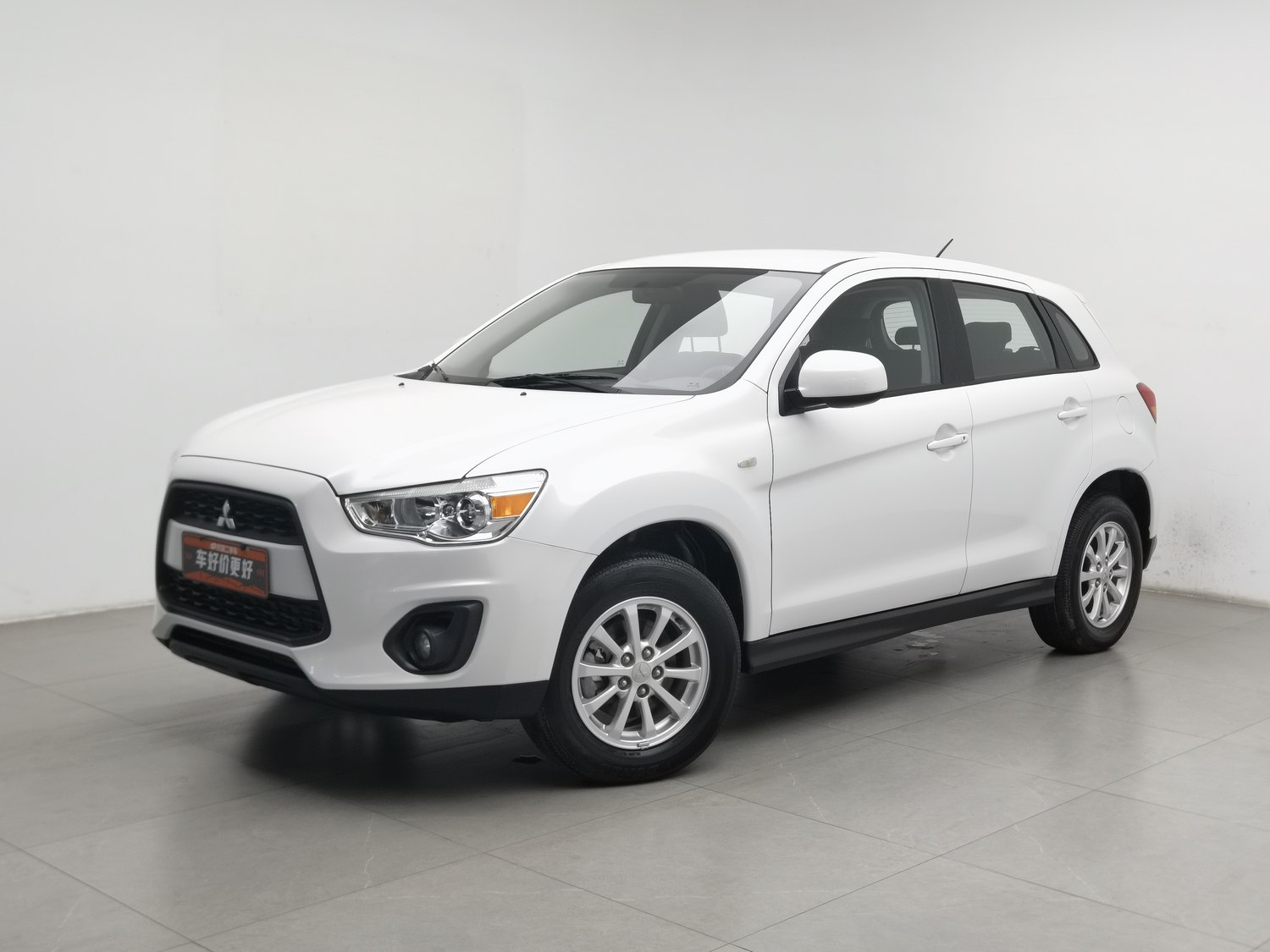
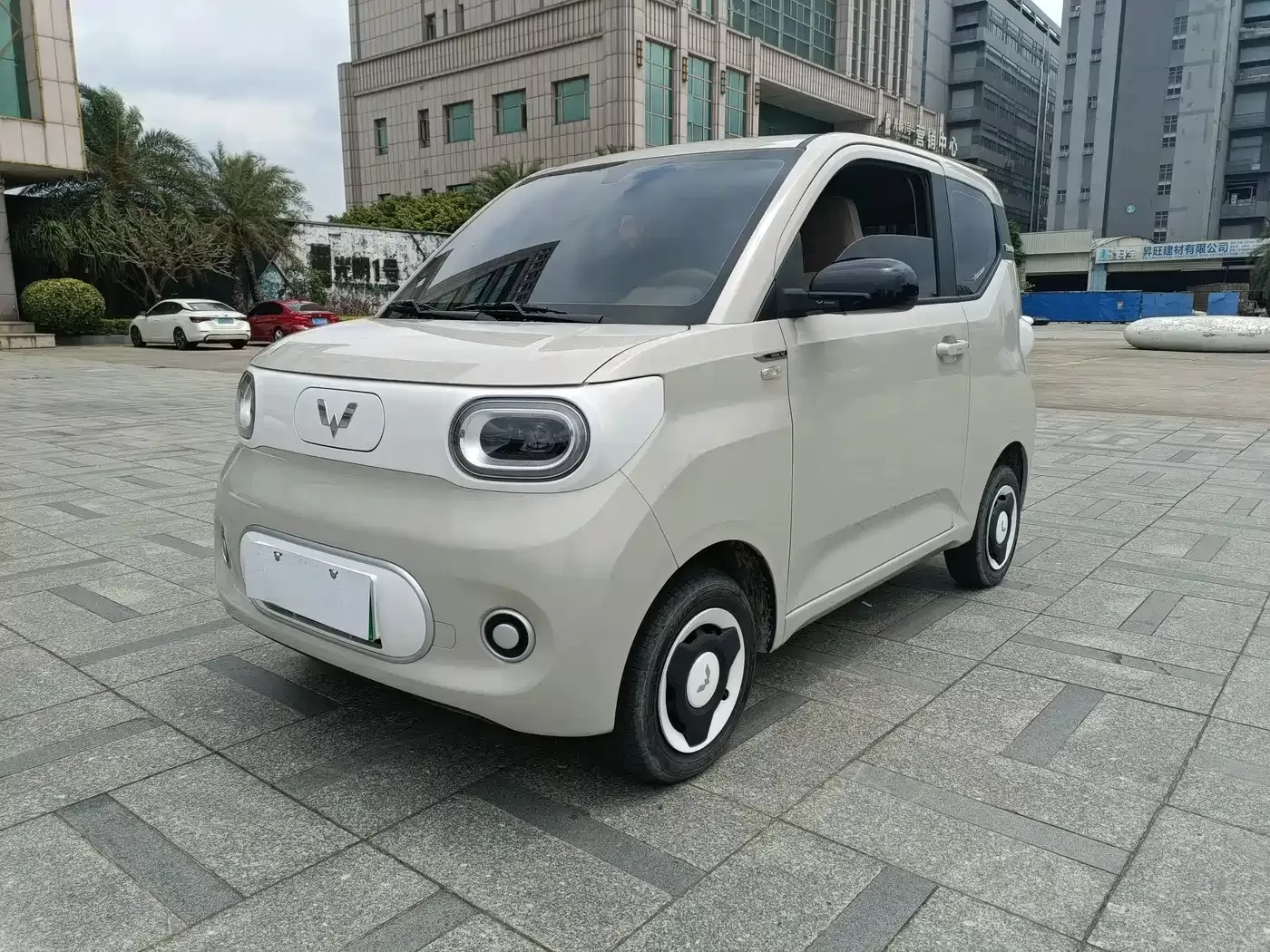
For a vehicle that spends most of its time in a city, excess size can become a disadvantage. A larger SUV may offer more luggage room and passenger space, but it can also be harder to park, more expensive to fuel, and less convenient on narrow streets. Compact and moderate-size crossovers therefore often provide a better balance for commuters, small families, and urban commercial users.
Mixed-road use requires a different approach. If a vehicle regularly moves between city streets, secondary roads, construction areas, gravel routes, or poorly maintained rural roads, buyers should place greater weight on suspension condition and tyre suitability. The drivetrain also deserves attention, but it should not automatically become the first selection criterion.
Long-distance driving shifts the priorities again. Stable temperatures, straight-line tracking, low vibration, supportive seats, effective air conditioning, sufficient luggage capacity, and predictable fuel use all become more noticeable after several hours behind the wheel.
A buyer who defines these operating conditions before looking at specific inventory is much less likely to overpay for features that provide little practical value.
Practical Used SUV Selection Table
| Primary Driving Environment | Priorities When Selecting | Items to Inspect Closely | Features That May Be Less Important |
|---|
| Dense urban roads | Manoeuvrability, fuel use, brakes, visibility, turning behaviour | Brake wear, tyres, wheel alignment, transmission response | AWD if roads are normally dry and paved |
| Mixed city and intercity use | Balanced size, comfort, cargo room, running cost | Suspension, cooling, tyres, drivetrain | Maximum off-road capability |
| Broken pavement and gravel | Ground clearance, suspension, suitable tyres | Underbody, bushings, shock absorbers, wheel damage | Premium interior features |
| Mud, sand, steep loose roads | Traction, drivetrain, ground clearance | AWD/4WD operation, tyres, drivetrain seals | Low-profile wheels |
| Regular highway travel | Comfort, stability, cooling, fuel use | Tyres, bearings, alignment, cooling system | Very compact exterior dimensions |
| Family or passenger transport | Cabin space, luggage room, rear-seat comfort | Air conditioning, seats, suspension, tyres | Sport-focused suspension tuning |
The table should be used as a buying framework rather than an absolute rule. Vehicle condition still has to be evaluated individually.
What Makes a Good Used SUV for City Driving?
City driving appears relatively easy on a vehicle because average speeds are low, but it creates its own pattern of mechanical wear.
Stop-and-go traffic means frequent braking and acceleration. Short journeys may also mean that an engine repeatedly operates before fully reaching normal temperature. Parking exposes wheels and tyres to curb impacts, while potholes and speed bumps repeatedly load suspension components.
For this reason, brake condition is one of the first areas to inspect on an urban used SUV. Check pedal response, disc condition, pad wear, and whether the vehicle remains stable during braking. A relatively low-mileage city vehicle can sometimes show more brake wear than a higher-mileage vehicle that has spent most of its life travelling steadily on highways.
Wheel and tyre condition can reveal a great deal about previous urban use. Uneven tread wear may result from incorrect alignment, damaged wheels, worn suspension components, or repeated impacts. The vehicle should track straight on a flat road without requiring constant steering correction.
Low-speed transmission behaviour is another useful inspection point. Move gradually through parking speeds, light acceleration, braking, and repeated stop-start situations. Delayed engagement, hesitation, abnormal vibration, or inconsistent shifting should be investigated rather than dismissed as normal behaviour.
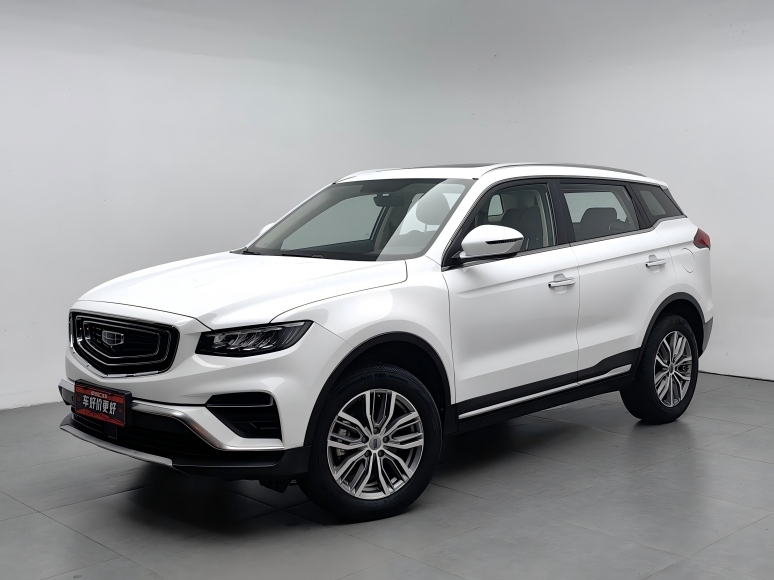
Size should also be considered realistically. Buyers browsing geely used cars, for example, may find both relatively compact and larger crossover options. The right choice depends on how much passenger and cargo capacity is actually needed rather than automatically choosing the larger SUV.
For city-focused buyers, a slightly smaller vehicle in better mechanical condition is often more useful than a larger SUV purchased mainly for appearance.
Should You Choose a Compact or Mid-Size Used SUV?
A compact SUV is generally better when parking space, manoeuvrability, fuel expenditure, and everyday commuting dominate vehicle use. A mid-size SUV becomes more attractive when the vehicle frequently carries passengers, luggage, business equipment, or family cargo.
There is no benefit in paying for unused capacity.
A dealer buying inventory should look at this decision commercially as well. In markets dominated by dense cities, smaller crossovers may have a wider customer base and lower perceived ownership costs. In regions where buyers regularly travel between cities or use vehicles for larger families, a mid-size SUV may justify its additional purchase and running costs.
Cabin layout matters as much as exterior dimensions. Check rear legroom, seat width, cargo-floor shape, rear-seat folding mechanisms, visibility, and access rather than relying only on published measurements.
Wheel and tyre size can also change ownership cost significantly. Large wheels may improve appearance, but lower-profile tyres are generally less forgiving of potholes and damaged roads. Replacement tyres may also be more expensive or difficult to source in some export markets.
The best size is therefore the smallest SUV that comfortably satisfies the buyer's routine passenger, luggage, and route requirements.
Is AWD or 4WD Necessary for Rough Roads?
Not necessarily.
One of the most common mistakes in SUV selection is treating "rough road" and "off-road" as the same condition.
Broken asphalt, potholes, concrete joints, compact gravel, and dry unpaved roads often do not require four-wheel drive. In these situations, healthy suspension components, suitable tyres, sufficient ground clearance, correct wheel alignment, and careful driving can matter more than the number of driven wheels.
AWD or 4WD becomes more valuable when the main problem is traction rather than surface quality. Mud, loose sand, snow, steep gravel gradients, wet grass, or uneven surfaces where individual wheels frequently lose grip can justify additional drivetrain capability.
Even then, buyers should understand that AWD does not automatically turn a crossover into an off-road vehicle.
Tyre choice, ground clearance, suspension travel, approach and departure angles, cooling capability, and underbody protection all affect how well a vehicle performs away from paved roads. AWD may improve acceleration and traction on slippery surfaces, but it does not eliminate the need for appropriate tyres or shorten braking distances simply because four wheels are driven.
This is especially important for dealers describing imported vehicles. A front-wheel-drive SUV should not be marketed as a heavy off-road vehicle simply because it has SUV body styling.
What Should You Inspect on a Used SUV That Has Been Driven on Rough Roads?
The suspension and underbody often reveal more than the exterior paint.
Begin with shock absorbers and struts. Look for leakage, abnormal bouncing, or differences in ride height. Listen for clunks or knocks while travelling slowly over uneven surfaces.
Suspension bushings, ball joints, control arms, wheel bearings, and steering components should also receive attention. Wear in these areas can create vague steering, vibration, irregular tyre wear, or noise.
Tyres deserve a detailed inspection. Do not judge them only by how much tread remains. Look for:
sidewall cuts or bulges;
cracks and signs of aging;
uneven shoulder wear;
repeated puncture repairs;
mismatched tyre types or specifications;
damaged wheel rims.
Uneven tyre wear is particularly useful because it can reveal problems elsewhere in the vehicle. Alignment errors may be relatively inexpensive to correct, but the underlying cause can also be worn suspension parts or previous collision damage.
Underneath the SUV, look for evidence of impact around protective panels, the exhaust system, suspension mounting areas, oil pans, drivetrain components, and fuel-system protection. Superficial scratches are not automatically serious, but dents, leaking seals, distorted mounting points, or recent repairs should be investigated.
NHTSA tyre guidance also highlights the importance of proper inflation, tread condition, alignment, and inspection for cuts, cracks, bulges, and irregular wear. For a vehicle expected to operate on rough roads, tyre condition should therefore be treated as a safety and operating-cost issue rather than a cosmetic one.
Is a Newer Used SUV Always Better Than an Older One?
No. Model year is useful information, but it cannot describe vehicle condition on its own.
A relatively new SUV can still have high commercial mileage, accident repairs, wheel damage, poor maintenance, or heavy previous use. An older SUV with documented servicing and less severe operating conditions may be the better purchase.
Vehicle age and mileage affect different things.
Mileage generally reflects accumulated mechanical use. Brakes, suspension components, wheel bearings, seats, switches, steering components, and drivetrain systems experience more operating cycles as distance increases.
Age creates deterioration even while a vehicle is stationary. Rubber seals, hoses, tyres, bushings, paint, batteries, interior materials, and some electronic components are influenced by time, temperature, humidity, sunlight, and storage conditions.
For buyers reviewing a changan used car or another comparatively recent SUV, the inspection should still confirm tyre condition, paint and structural history, warning lights, electronics, wheel alignment, and whether physical wear is consistent with the reported mileage.
A lower model year should therefore increase inspection attention, not automatically disqualify the vehicle.
How Much Mileage Is Too Much for a Used SUV?
There is no universal mileage figure that makes a used SUV unsuitable.
Mileage only becomes meaningful when it is interpreted alongside age, maintenance history, operating environment, accident history, and current condition.
Consider two vehicles with different use patterns. One has travelled a relatively high annual distance, primarily on highways, with regular scheduled servicing. Another has much lower mileage but has spent years making short city journeys, idling in traffic, repeatedly crossing potholes, and receiving irregular maintenance. The lower odometer reading does not automatically indicate the better vehicle.
Annualised mileage can be more useful than total mileage alone. Divide the distance travelled by the age of the vehicle and then compare the result with its physical condition.
Look for consistency between mileage and wear on:
the steering wheel;
driver's seat;
pedals;
gear selector;
door handles;
tyres;
suspension;
braking components.
An unusually low odometer reading also deserves investigation. Vehicles that spend long periods unused can experience battery deterioration, tyre flat-spotting, aging fluids, corrosion, and degradation of rubber components.
For importers and dealers, there is another consideration: resale psychology. A mechanically good SUV may still become harder to sell after it passes a mileage threshold that local buyers consider undesirable. Purchasing decisions should therefore combine engineering condition with local market expectations.
What Matters Most in a Used SUV for Long-Distance Driving?
For regular intercity and highway use, consistency becomes more important than maximum engine output.
The vehicle needs to maintain stable engine and transmission temperatures under sustained driving. It should track straight, remain free from abnormal vibration, maintain effective climate control, and provide comfortable seating for the expected journey length.
Tyres become particularly important. High-speed travel exposes tyre imbalance, aging, uneven wear, and improper inflation much more clearly than low-speed city driving.
Before purchasing a long-distance used SUV, check:
tyre age and tread condition;
wheel balance and alignment;
steering vibration at different speeds;
wheel-bearing noise;
cooling-system stability;
coolant condition and leakage;
air-conditioning output;
engine and transmission behaviour after reaching operating temperature;
brake behaviour after repeated use.
A road test lasting only a few minutes may not reveal cooling or drivetrain problems. Where possible, the vehicle should operate long enough to reach normal working temperature.
Cabin ergonomics also matter. A seat that feels acceptable for five minutes may become uncomfortable after several hours. Buyers should check seat support, driving position, steering-wheel adjustment, rear-seat space, air-conditioning distribution, noise levels, and luggage capacity.
Which Is More Important for Long Trips: Engine Size or Fuel Economy?
Engine size alone is a poor way to choose a long-distance SUV.
A larger engine may provide easier acceleration under load, but fuel consumption, vehicle mass, transmission calibration, driving speed, maintenance condition, and aerodynamics all influence real operating cost.
For business buyers, fuel cost should be considered over annual mileage rather than per individual journey.
Suppose two SUVs differ only slightly in purchase price but one consumes noticeably more fuel. For a private driver travelling 5,000 kilometres a year, the difference may be relatively small. For a fleet covering 40,000 or 50,000 kilometres annually, fuel consumption can materially affect total cost of ownership.
Maintenance also influences efficiency. The U.S. Department of Energy notes that driving behaviour, correct tyre inflation, and proper vehicle maintenance can affect fuel consumption. This means buyers assessing a long-distance used SUV should not assume that its original published fuel-economy figure will reflect the performance of an aging or poorly maintained example.
Vehicle load matters too. Frequent full-passenger operation or heavy luggage increases the importance of adequate power, braking performance, tyre load rating, and cooling.
The correct goal is not the smallest possible engine. It is an efficient powertrain that can handle the intended load without creating excessive running cost.
How Do You Choose a Used SUV for Both City and Highway Driving?
Mixed-use buyers usually benefit most from balance.
An SUV that is easy to park but uncomfortable on highways is not a good mixed-use vehicle. Likewise, a large long-distance vehicle that becomes inconvenient every day in city traffic can create unnecessary ownership cost.
Look for moderate exterior dimensions, sufficient rear-seat space, usable cargo capacity, stable highway handling, reasonable tyre replacement cost, and a drivetrain suited to the actual road conditions.
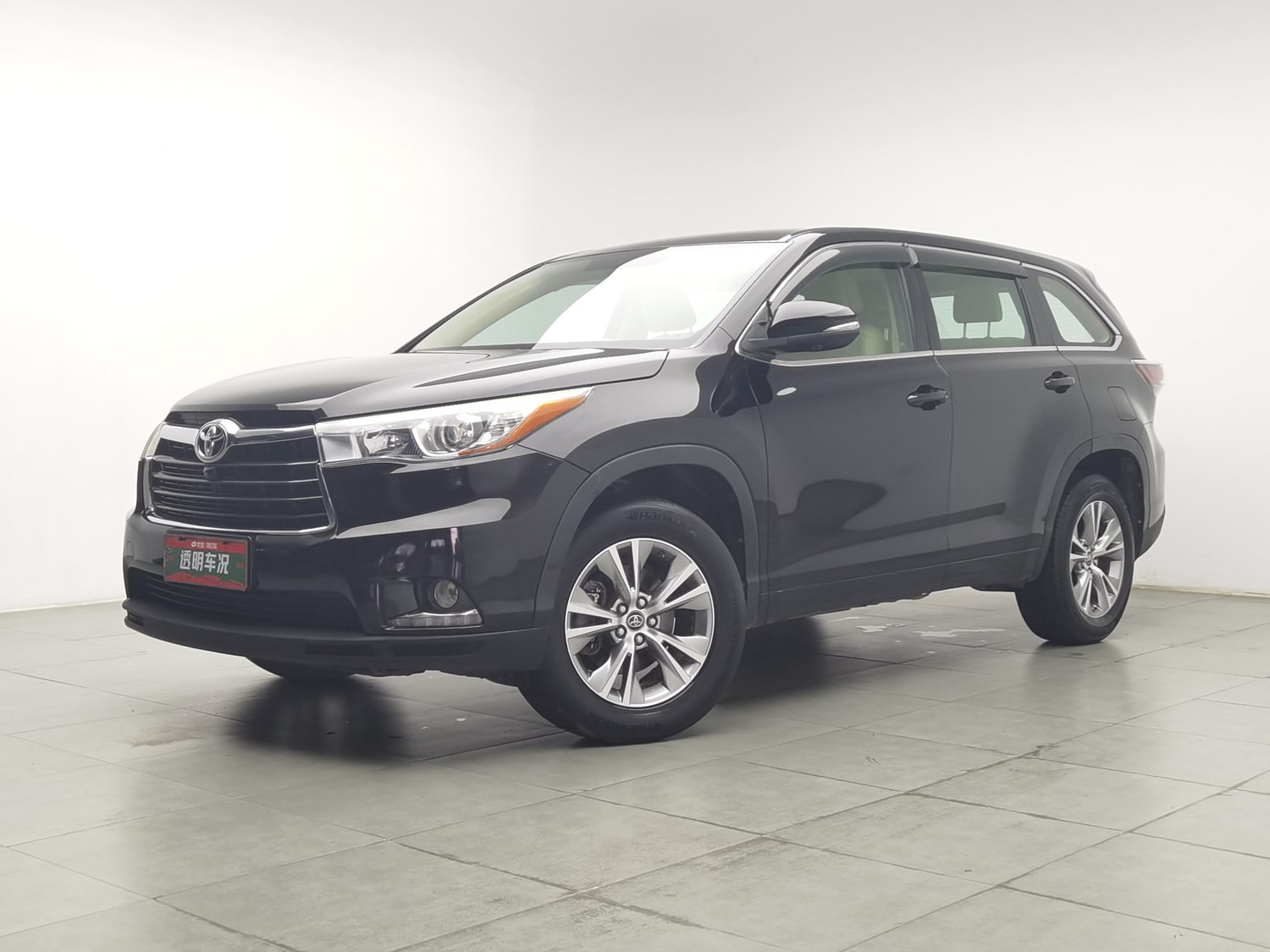
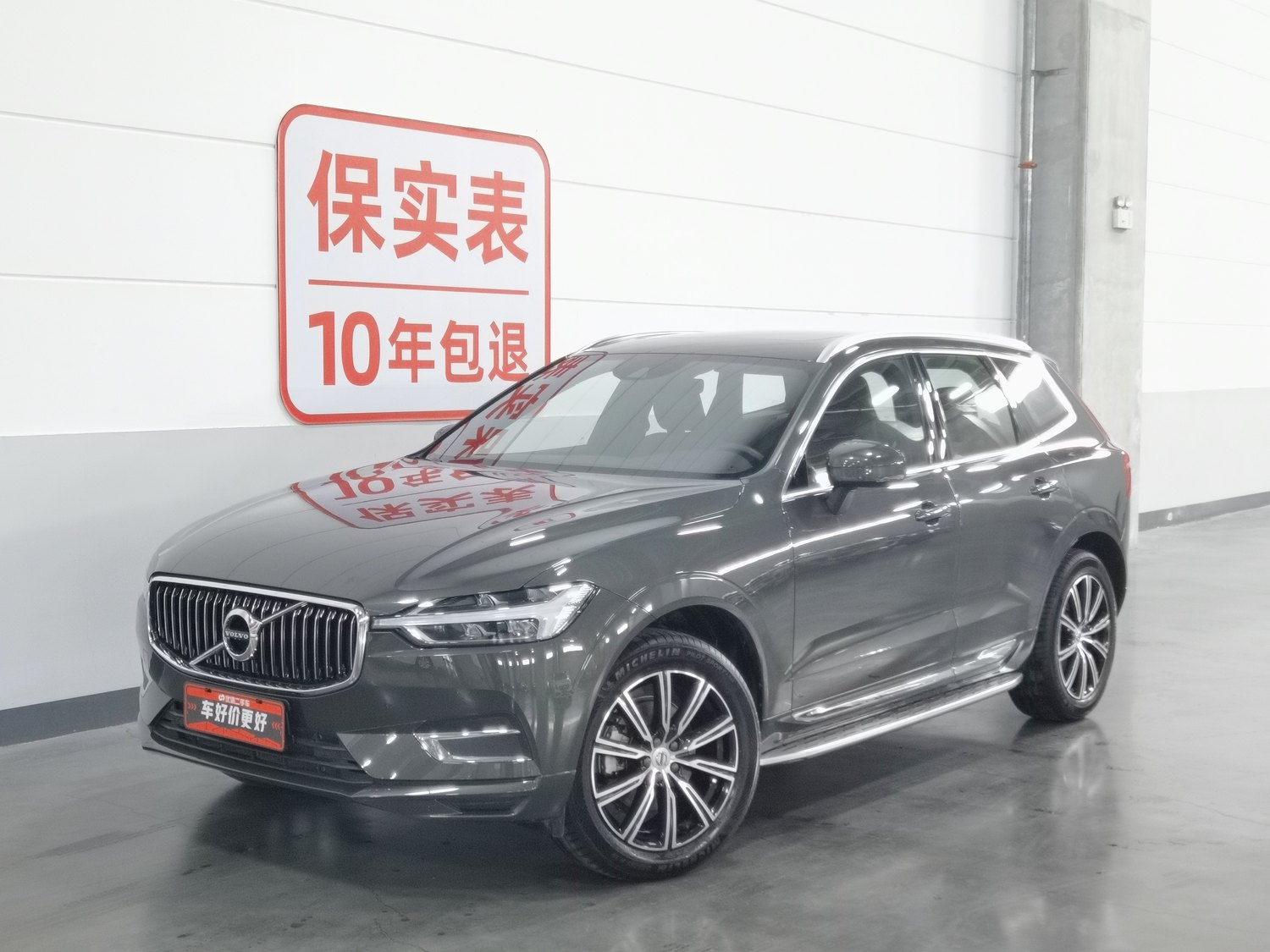
This is where many compact and mid-size crossovers make sense. They are large enough for family and intercity use without reaching the weight and dimensions of larger three-row SUVs.
Instead of comparing dozens of equipment features, buyers should prioritise the characteristics they will experience every day:
Is it easy to park and manoeuvre?
Does it have enough passenger and cargo space?
Is the ride acceptable on poor local roads?
Does it remain stable at highway speeds?
Are tyres and replacement parts readily available?
Can local workshops service the drivetrain?
Is fuel consumption acceptable for expected annual mileage?
Answering those questions will normally produce a more useful shortlist than comparing optional technology alone.
What Should You Check Before Buying a Used SUV?
A professional used SUV evaluation should establish its identity, history, structural condition, mechanical state, and likely upcoming maintenance costs.
Start with the vehicle identification information and available documents. VIN or chassis details should correspond with the physical vehicle and all transaction paperwork.
Next, inspect the body for signs of structural repair. Do not focus only on scratches and dents. Uneven panel gaps, inconsistent paint thickness, overspray, disturbed fasteners, replaced glass, unusual welds, and repaired structural mounting areas can indicate previous collision work.
The engine should ideally be inspected from cold start. Listen for abnormal noise, watch exhaust behaviour, and check for warning lamps or fluid leakage.
Test the transmission from stationary engagement through normal acceleration and deceleration. Delayed engagement, harsh shifting, unusual vibration, or warning messages require further diagnosis.
The Federal Trade Commission recommends obtaining a vehicle history report and arranging an independent mechanical inspection when buying a used vehicle. A history report may reveal useful background information, but it should not be treated as a substitute for physical inspection because mechanical defects may not appear in the report.
Recall status should also be checked using an official system applicable to the vehicle and destination market.
How Important Are Tyres When Choosing a Used SUV?
More important than many buyers assume.
Tyres influence braking, wet-road traction, ride comfort, steering response, road noise, fuel consumption, and rough-road durability. They can also reveal how a vehicle has been maintained.
A used SUV with almost-new exterior paint but four worn or mismatched tyres may require immediate expenditure after purchase. Large or uncommon SUV tyre sizes can make that expenditure substantial.
Check the production date as well as tread depth. An older tyre can still appear to have useful tread while its rubber has aged.
Tyre pressure matters too. Underinflation creates heat and uneven wear and can negatively affect fuel efficiency. NHTSA recommends using the vehicle manufacturer's specified inflation pressure rather than the maximum figure moulded into the tyre sidewall.
For rough-road use, sidewall condition becomes particularly important. Cuts, bulges, impact marks, or damaged rims may indicate repeated pothole or curb impacts.
For long-distance travel, vibration at highway speed can expose balance problems or damaged wheels that were difficult to notice during a slow inspection.
Should You Buy a Used Toyota RAV4 for Mixed Driving?
A RAV4 can be considered where a buyer wants an SUV that needs to cover both urban and longer-distance driving, but the exact vehicle still has to be evaluated individually.
Someone planning to buy used toyota rav4 should verify the model year, drivetrain, mileage, previous repair history, tyre condition, maintenance record, and exact specification rather than purchasing based only on the RAV4 name.
This is especially important because configurations can vary by year and market. A buyer expecting AWD should confirm that the exact vehicle has it. A buyer primarily using paved urban roads may find front-wheel drive entirely adequate and may prefer to prioritise condition and operating cost instead.
The same reasoning should be applied to any well-known SUV. Brand reputation can help create a shortlist, but it cannot describe the condition of an individual used vehicle.
What Should Dealers Consider When Buying Used SUVs for Export?
An SUV that works well in one market may be difficult to resell in another.
Export buyers need to consider road conditions, fuel prices, local parts supply, customer familiarity with the brand, workshop capability, climate, vehicle taxation, import age limits, steering-position requirements, emissions rules, and local registration requirements.
For dense urban markets, compact and mid-size SUVs may provide wider appeal because their dimensions and running costs are easier to manage.
For markets where intercity travel is common, buyers may place more value on cabin comfort, fuel range, cargo space, cooling performance, and mechanical reliability.
Rural markets can require stronger suspension, more tyre sidewall, increased ground clearance, and easier access to basic replacement parts.
Where roads are frequently muddy, sandy, snowy, or steep, drivetrain requirements should be stated explicitly. Simply asking a supplier for an "SUV suitable for rough roads" leaves too much room for interpretation.
Professional importers should prepare a sourcing specification containing at least:
acceptable model-year range;
maximum mileage;
fuel type;
required drivetrain;
acceptable repair history;
minimum tyre standard;
exterior and interior condition;
available budget;
destination country;
registration or compliance requirements.
This dramatically improves sourcing efficiency and makes quotations easier to compare.
How Should You Compare the Real Cost of Two Used SUVs?
Purchase price is only one part of cost.
Two SUVs priced close together can create very different margins once transport, reconditioning, tyres, maintenance, fuel consumption, local taxes, and resale expectations are included.
For a commercial buyer, a simple comparison should include:
| Cost Area | Questions to Ask |
|---|
| Purchase price | What is included in the quoted vehicle price? |
| Immediate repairs | Will tyres, brakes, fluids, suspension, or cosmetic work be required? |
| Fuel | What annual mileage is expected in the destination market? |
| Parts | Are common service and body parts locally available? |
| Logistics | Does vehicle size materially change freight cost? |
| Duties and taxes | Does engine size, age, or value affect import taxation? |
| Resale | Is this specification familiar and desirable locally? |
| Warranty reserve | How much should the dealer budget for post-sale issues? |
A cheaper vehicle with weak parts availability and immediate repair requirements may ultimately produce a lower margin than a slightly more expensive SUV in better condition.
How Zacarmate Supports Used SUV Sourcing for Different Markets
For international buyers, choosing the right SUV category and verifying the condition of the individual vehicle are two separate steps.
Zacarmate supplies new and used vehicles for international markets and supports buyers with vehicle sourcing, inspection, export preparation, logistics coordination, and related automotive trade services. The company operates under Zhongan TikTech (Anhui) Co., Ltd., which states that it is a state-owned enterprise under Conch Group and has more than 40 years of foreign-trade experience.
For used vehicles, Zacarmate's sourcing approach can be based on specific requirements such as brand, model year, mileage range, budget, and vehicle type. Its published used-car inspection process covers areas including exterior condition, engine performance, transmission systems, key mechanical components, and mileage verification before shipment.
This becomes particularly useful when buyers define the vehicle by its intended application.
A dealer supplying urban customers can request compact or moderate-size SUVs with clean cosmetic condition, manageable mileage, good air conditioning, and predictable low-speed behaviour.
A buyer serving regions with poor roads can place more emphasis on suspension, wheel and tyre condition, underbody inspection, ground clearance, and drivetrain specification.
Fleet operators expecting high annual mileage can prioritise cooling-system condition, drivetrain stability, maintenance evidence, tyre cost, and long-distance usability.
Instead of simply asking for "good used SUVs," providing these operating requirements allows a supplier to narrow inventory toward vehicles that are more likely to perform successfully in the destination market.
FAQ
What type of SUV is best for city driving?
A compact or moderate-size SUV is usually the most practical option for urban driving because it provides useful passenger and luggage capacity without unnecessary exterior size. Buyers should prioritise braking condition, manoeuvrability, visibility, fuel consumption, tyre condition, and smooth low-speed drivetrain behaviour.
Do I need AWD for driving on bad roads?
Not necessarily. AWD is most useful when traction is regularly limited by mud, snow, sand, wet loose surfaces, or steep gradients. For potholes, broken asphalt, and dry gravel, good tyres, healthy suspension, correct alignment, and adequate ground clearance may be more important.
What is the best mileage for a used SUV?
There is no single ideal mileage. A vehicle with documented maintenance and mainly highway use can be a better purchase than a lower-mileage SUV that has experienced poor servicing or intensive urban operation. Mileage should always be considered together with age, history, and physical inspection.
What should I inspect first on a used SUV?
Start with vehicle identity, history, structural condition, tyres, suspension, engine, transmission, cooling system, braking, and warning lights. A road test should include both low-speed manoeuvres and higher-speed operation where possible. An independent professional inspection provides additional protection before purchase.
Is a compact SUV good for long-distance driving?
Yes, provided it offers sufficient passenger space, seating comfort, luggage capacity, highway stability, and mechanical condition for the journey. A larger SUV is not automatically better for long trips. Buyers should choose additional size only when they genuinely need more cabin or cargo capacity.
Is it better to buy a newer SUV or a lower-mileage SUV?
Neither characteristic should determine the decision alone. A newer SUV can have heavy usage or accident repairs, while an older low-mileage vehicle can suffer from aging components or long periods of storage. Maintenance history, operating conditions, structural condition, and mechanical inspection are more reliable indicators of value.
Conclusion
Selecting a used SUV for urban roads, rough terrain, or long-distance driving requires matching the vehicle to its real operating conditions before comparing price, brand, or optional features.
City-focused buyers should give greater weight to dimensions, braking, tyres, visibility, low-speed drivability, and fuel consumption. Buyers using poor roads should inspect suspension, wheels, tyre sidewalls, underbody condition, ground clearance, and drivetrain suitability. For frequent highway travel, cooling performance, stability, seating comfort, tyre condition, cargo capacity, and maintenance history become more important.
Mileage and vehicle age should never be used independently. Neither should AWD, engine size, or brand reputation substitute for a detailed inspection of the individual vehicle.
For dealers and importers, the strongest purchasing decisions also consider destination-market demand, parts availability, fuel cost, local road conditions, regulations, and expected resale value. Zacarmate can support international buyers by sourcing used SUVs against defined requirements and coordinating condition inspection, export preparation, and logistics, helping the purchased vehicles better match the way customers will actually use them.
External References
https://consumer.ftc.gov/articles/buying-used-car-dealer
https://www.nhtsa.gov/vehicle-safety/tires
https://afdc.energy.gov/conserve/driving-behavior
Zhongan TikTech (Anhui) Co., Ltd.
Zhongan TikTech (Anhui) Co., Ltd., a Conch Group SOE, exports quality new & used vehicles globally with 40+ years' foreign trade expertise.
 EN
EN
 fr
fr  es
es  ru
ru  pt
pt