Mileage and vehicle age both influence used car quality and resale value, but neither should be used as a stand-alone buying rule. Mileage mainly reflects accumulated use, while age introduces deterioration that continues even when a vehicle is driven very little. A well-maintained higher-mileage car can therefore be a stronger purchase than a low-mileage vehicle of the same price with poor servicing, accident repairs, long-term storage issues, or age-related deterioration.
For dealers and international buyers, the most useful comparison is not simply “newer versus older” or “low mileage versus high mileage.” The real question is whether the vehicle’s mileage is reasonable for its age, whether its physical condition supports the odometer reading, what maintenance has already been completed, what work is likely to be required next, and how the age-mileage combination will be perceived in the destination resale market.
Which Matters More When Buying a Used Car: Age or Mileage?
Neither is consistently more important because they indicate different types of risk.
Mileage is closely connected with operating wear. Every kilometre adds cycles to the engine, transmission, brakes, steering system, wheel bearings, suspension components, seats, switches, and other moving parts. The effect is not identical across every vehicle because driving conditions and maintenance practices vary, but higher mileage generally means more accumulated use.
Age works differently. A vehicle continues to deteriorate while parked. Rubber seals harden, hoses age, batteries lose capacity, paint and interior materials experience environmental exposure, tyres become older, fluids degrade, and corrosion can develop.
This is why an eight-year-old car with 45,000 km should not automatically be considered superior to a four-year-old example with 90,000 km.
The older vehicle may have experienced fewer mechanical cycles, but the buyer needs to investigate why its mileage is low and whether it spent long periods unused. The newer vehicle may have travelled considerably farther, but those kilometres could have come from regular highway use with disciplined servicing.
A better evaluation separates two issues. The first is what has worn because the vehicle was driven. The second is what has deteriorated because the vehicle has aged. The strongest used vehicles are those where both types of risk remain manageable.
How Much Mileage Is Too Much for a Used Car?
There is no universal mileage figure that automatically makes a used car unsuitable.
An odometer reading only becomes meaningful when compared with the vehicle's age, previous usage, service history, and current mechanical condition.
For example, 100,000 km on a relatively young vehicle indicates a very different history from 100,000 km on a vehicle that is more than ten years old. The first may have accumulated intensive annual use, while the second may represent relatively moderate yearly driving.
A useful starting point is annualised mileage. Dividing total mileage by vehicle age gives an approximate annual distance, which can then be compared with the car’s physical condition and maintenance history.
If annual mileage is unusually high, buyers should investigate whether the vehicle was used for company transport, rental service, ride-hailing, long-distance commuting, or another intensive operating pattern. If annual mileage is unusually low, the inspection should pay more attention to storage history, tyre age, battery condition, fluid maintenance, corrosion, and mileage authenticity.
How Different Age and Mileage Combinations Should Be Interpreted
| Vehicle Profile | What It Can Suggest | Inspection Priorities | Resale Implication |
|---|
| Newer, low mileage | Limited previous use | Accident history, mileage consistency, storage condition | Usually attractive if condition supports mileage |
| Newer, high mileage | Intensive driving or long-distance use | Service history, drivetrain, suspension, brakes | Newer year helps, but mileage may reduce price |
| Older, low mileage | Light use or long storage | Tyres, rubber parts, fluids, battery, corrosion | Attractive on paper but age still matters |
| Older, moderate mileage | Normal long-term ownership | Maintenance consistency and wear items | Often easier for buyers to understand |
| Older, high mileage | Heavy accumulated use | Engine, transmission, cooling, steering, suspension | Requires strong condition and competitive pricing |
| Mileage inconsistent with condition | Possible history or documentation issue | Records, odometer verification, physical wear | Can significantly weaken buyer confidence |
The table is best used to determine inspection priorities rather than to reject a vehicle automatically.
Is High Mileage Always Bad on a Used Car?
No. High mileage raises the probability of wear, but the type of mileage matters.
A car that has travelled long distances at stable highway speeds may have accumulated many kilometres with relatively few cold starts, braking events, gear changes, parking impacts, and steering inputs.
A lower-mileage vehicle used almost entirely in congested city conditions can experience more frequent stop-start cycles, braking, idling, low-speed shifting, speed bumps, and pothole impacts.
This is why the phrase “highway miles” has some practical meaning, although it should never be used as an excuse to skip an inspection.
For a higher-mileage vehicle, maintenance intervals, suspension condition, steering response, wheel-bearing noise, braking performance, cooling-system stability, transmission operation, fluid condition, and tyre wear all deserve close attention.
The engine should not be the only focus. A vehicle can have a healthy engine but still require substantial investment in suspension, brakes, mounts, air conditioning, tyres, and other wear components.
Professional buyers therefore estimate the vehicle's remaining service requirements rather than judging mileage emotionally.
Is a Low-Mileage Used Car Always Better?
Low mileage is generally positive for resale, but it does not guarantee better quality.
One of the most overlooked situations in used-car sourcing is an older vehicle with unusually low mileage. Buyers often assume this combination provides the best of both worlds: a low acquisition price because of age and minimal mechanical wear because of the odometer.
Sometimes it does.
However, a low-mileage older car can also have spent months or years parked. Long periods without regular operation can affect tyres, batteries, seals, fluids, brake components, fuel systems, and rubber parts.
Tyres are an especially important example. A lightly driven older car may still have deep tread, but tyre age and rubber condition can make replacement necessary.
The same applies to maintenance schedules. Some owners delay servicing because the vehicle has not covered enough kilometres, overlooking maintenance items that are also time-dependent.
A low odometer should therefore increase buyer interest, but it should also trigger verification.
Can an Older Low-Mileage Car Be Better Than a Newer High-Mileage Car?
Yes, provided the older vehicle has been stored and maintained properly.
Consider an older family sedan with relatively low mileage. If the vehicle has documented servicing, healthy tyres, no significant corrosion, a clean structural history, and properly maintained fluids, the lower accumulated mechanical use can make it attractive.
A newer car with much higher mileage might have stronger styling and technology appeal but could require more near-term work to suspension, brakes, wheel bearings, tyres, or other wear items.
The opposite situation is also possible. An older low-mileage car that has spent years unused outdoors may need more immediate work than a newer high-mileage vehicle that has received regular maintenance throughout its life.
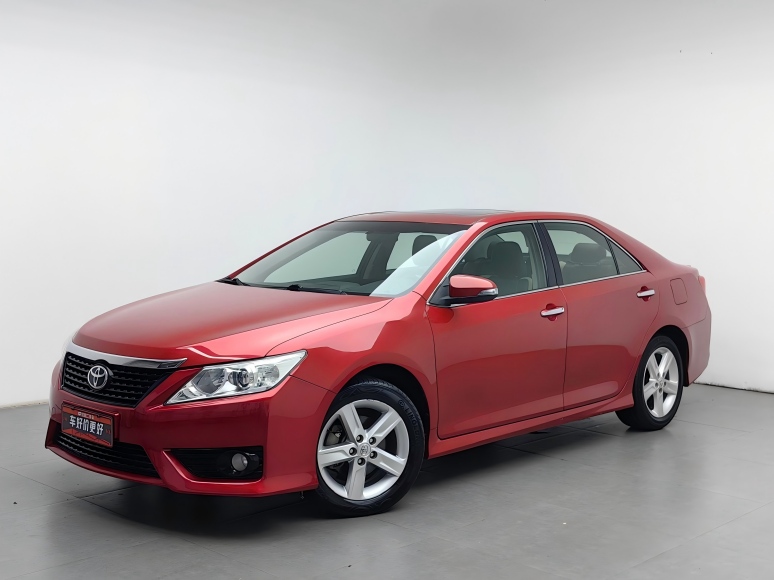
For buyers looking to buy used toyota camry, this distinction is particularly relevant because the used market contains vehicles from many model years. An older Camry should not be selected simply because its mileage is lower than a newer example. Maintenance evidence, operating history, accident condition, age-sensitive parts, and local resale expectations all need to be considered.
The best vehicle is the one with the more favourable total condition, not necessarily the smaller odometer number.
How Does Vehicle Age Affect a Car Even If It Is Barely Driven?
Vehicle aging affects several systems independently of mileage.
Rubber components such as bushings, seals, engine mounts, hoses, and weather strips gradually harden or deteriorate over time. Extreme heat can accelerate this process, which means storage environment is often as important as total distance travelled.
Suspension rubber is particularly relevant because aging bushings can create noise, vibration, steering changes, or uneven tyre wear even when the vehicle has relatively low mileage.
Tyres also age with time as well as use. Buyers should examine manufacturing dates, sidewall cracking, deformation, repair history, and rubber condition rather than relying only on tread depth.
The cooling system becomes increasingly important as a car gets older. Hoses, seals, radiator condition, coolant quality, water pumps, and related components deserve closer inspection, especially when the vehicle will be exported to a hot climate.
Batteries and electrical systems can also deteriorate with age. Conventional batteries lose performance, while electrical connectors, wiring, switches, sensors, displays, and modules may be affected by environmental exposure, moisture, heat, or previous repairs.
Body condition should be evaluated separately from mileage as well. A car that has travelled only 40,000 km can still have serious corrosion or structural concerns if it spent years in coastal conditions, on salted roads, outdoors in poor storage, or after flood exposure.
Does City Mileage Cause More Wear Than Highway Mileage?
In many components, city operation can create more wear per kilometre than steady highway driving.
Urban use involves frequent acceleration, braking, gear changes, steering movements, short journeys, potholes, speed bumps, and parking manoeuvres.
A highway vehicle typically spends longer periods at stable operating temperature and requires fewer braking or steering inputs.
This can make two cars with identical mileage mechanically very different.
For an urban-used car, brakes, wheel alignment, tyres, suspension, steering, exterior impact areas, and low-speed transmission behaviour should receive closer attention.
For a long-distance vehicle, the inspection should focus more heavily on tyres, wheel bearings, fluid maintenance, cooling performance, seating wear, and evidence of prolonged intensive use.
Previous use can also matter commercially. A privately owned vehicle, a company fleet car, a rental vehicle, and a ride-hailing car may all show 80,000 km while having experienced very different duty cycles.
Importers should therefore request information about prior use whenever it is available rather than relying solely on age and mileage filters.
How Does Mileage Affect Used Car Resale Value?
Mileage influences resale value because buyers interpret it as a rough indication of accumulated wear and remaining service life.
When two otherwise similar vehicles are offered at the same price, the lower-mileage example will usually attract more attention.
Kelley Blue Book explains that mileage is incorporated into vehicle valuation relative to the typical mileage expected for a car of that age. In other words, mileage is most meaningful when considered against the vehicle's time on the road rather than as an isolated number.
However, depreciation caused by mileage is not perfectly linear.
Moving from 30,000 km to 60,000 km may influence the market differently from moving from 160,000 km to 190,000 km. Once a vehicle is already perceived as high mileage, condition and price often become more important.
Psychological mileage thresholds also affect resale. In some markets, buyers become noticeably more price-sensitive once an odometer crosses a familiar round number. This may have little mechanical significance, but it can still affect how quickly a dealer sells the vehicle.
For wholesalers and exporters, the correct question is therefore not just how much cheaper a high-mileage car is to buy, but whether the saving is large enough to compensate for lower resale demand and possible reconditioning costs.
How Does Vehicle Age Affect Resale Value?
Age influences value through more than mechanical deterioration.
Newer vehicles generally benefit from fresher styling, more recent safety equipment, newer infotainment, stronger financing eligibility, and the perception of longer remaining useful life.
Older vehicles can lose appeal even when their mechanical condition remains good.
Model generation also matters. A vehicle may become commercially “older” very quickly after a major redesign. Buyers often recognise changes in body styling and cabin design immediately, which can increase the price gap between two vehicles separated by only a few model years.
This is especially relevant when comparing older and newer versions of established sedans or SUVs.
A vehicle from the previous generation may need a clear price advantage to compete with the newer shape.
On the other hand, older vehicles do not always depreciate rapidly forever. Once a car has already passed through the steepest part of its depreciation curve, future value changes may depend more heavily on condition, demand, maintenance costs, and parts availability.
What Happens When a Car Is Both Old and High Mileage?
The risk does not come from one dramatic failure alone. It often comes from multiple smaller maintenance requirements appearing close together.
An older high-mileage vehicle may still have a strong engine and transmission, but suspension bushings, shock absorbers, mounts, tyres, cooling components, air conditioning, seals, brakes, wheel bearings, and electrical items may all be approaching replacement.
This is why dealers should calculate reconditioning costs before purchase.
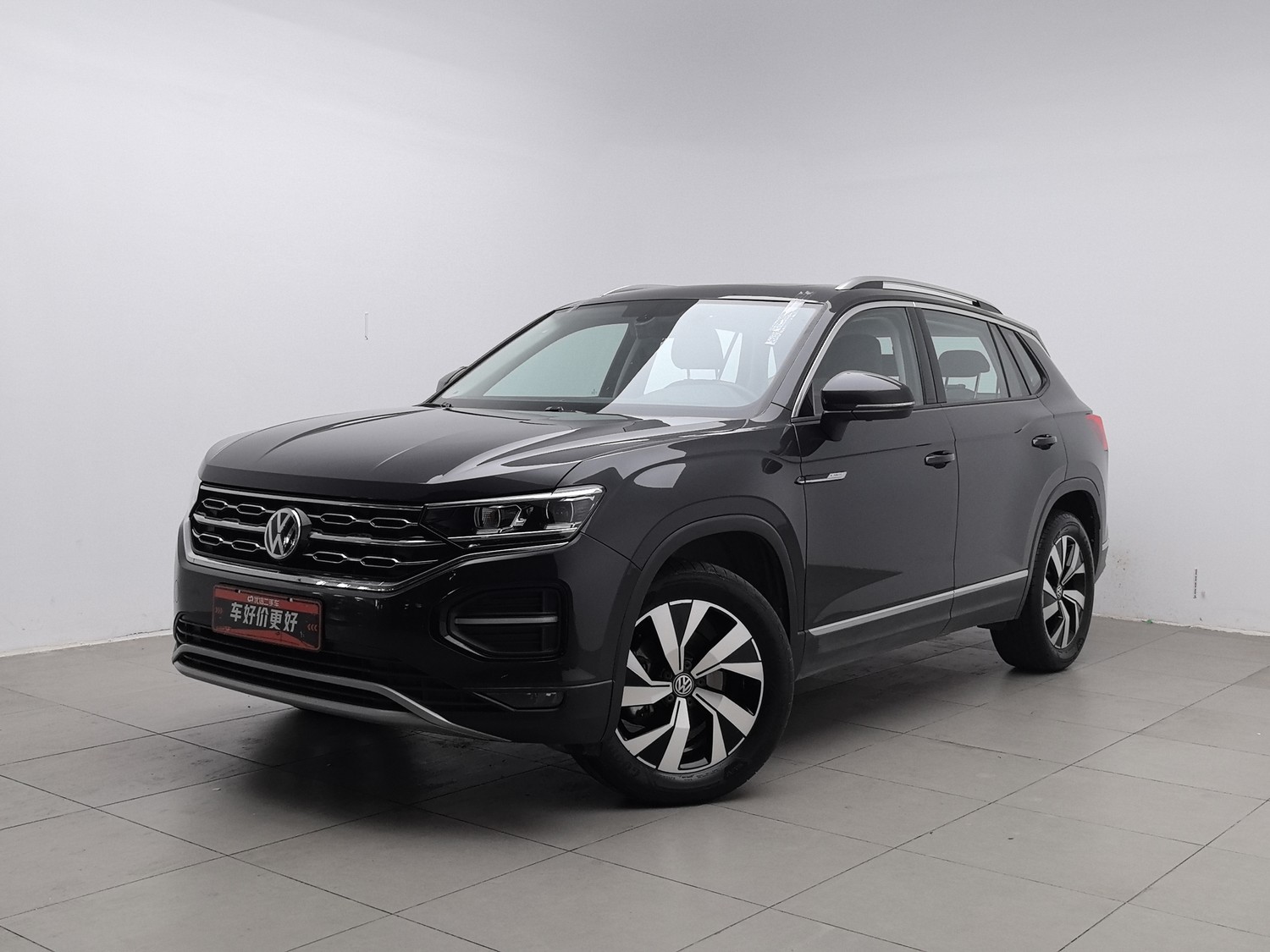
When reviewing older haval used inventory, for example, an attractive acquisition price should be assessed together with suspension condition, drivetrain behaviour, cooling performance, tyres, accident history, interior wear, and expected parts support in the destination market.
The model year and odometer tell the buyer where to look. The inspection determines whether the vehicle is commercially viable.
A properly maintained older SUV can still provide good value, but the purchase price needs to leave sufficient margin for realistic preparation and future resale positioning.
Why Does Maintenance History Matter More as Mileage Increases?
As mileage increases, maintenance records become more valuable because they help explain how the vehicle reached its current condition.
Consider two cars with 120,000 km.
One has evidence of routine servicing, fluid replacement, brake work, tyre changes, cooling-system attention, and scheduled maintenance. The other has almost no reliable records.
The odometer is identical, but the risk is not.
Maintenance documentation can also reveal what the next buyer may need to spend. If significant wear items have already been replaced, a higher-mileage vehicle can have more predictable near-term costs than a lower-mileage vehicle approaching the same maintenance requirements.
The U.S. Federal Trade Commission advises buyers to obtain a vehicle history report and have a used vehicle inspected independently. It also notes that a history report is not a substitute for a mechanical inspection because it may not contain information about mechanical problems.
For international buyers, available documentation varies from country to country, but the same principle applies: condition claims should be supported by evidence whenever possible.
How Can You Check Whether a Used Car's Mileage Is Genuine?
A displayed odometer figure should be verified against other evidence.
NHTSA recommends comparing odometer mileage with title information and maintenance or inspection records, as well as examining physical wear to determine whether it appears consistent with the displayed mileage.
Historical service records, inspection records, oil-change labels, registration information, tyre history, previous sales records, and interior wear can all help build a more credible mileage picture.
The driver's seat bolster, steering wheel, pedals, gear selector, door handles, control buttons, and floor coverings are particularly useful because they reveal repeated physical use.
Heavy wear does not prove odometer manipulation because different drivers use vehicles differently. However, a supposedly very low-mileage car showing extensive wear deserves additional investigation.
Digital odometers should not create false confidence either. Mileage authenticity should come from corroborating evidence rather than from trusting the display alone.
For export transactions, this check becomes particularly valuable because an overseas buyer may not inspect the car personally before shipment.
Does Hybrid Mileage Need to Be Evaluated Differently?
A used hybrid still requires conventional inspection of the engine, suspension, tyres, steering, body, brakes, cooling system, and maintenance history. However, age and mileage should also be considered in relation to the hybrid system.
This is especially relevant when assessing an older hybrid sedan.
A low odometer does not automatically guarantee excellent battery condition. Battery aging depends on factors beyond distance, including temperature, operating pattern, storage conditions, charge cycles, and battery-management behaviour.
At the same time, high mileage does not automatically mean the hybrid battery is near failure.
Diagnostic information, warning-light history, energy-management behaviour, and available service records provide more useful evidence than mileage alone.
For importers, local hybrid service capability should be considered as well. A vehicle may be attractively priced at source but become commercially difficult if battery diagnostics or replacement components are unavailable in the destination market.
Is a Ten-Year-Old Car Too Old to Buy?
A ten-year-old vehicle can still be a commercially sensible purchase when it has good maintenance history, acceptable mileage, sound structural condition, widely available parts, and strong local demand.
The inspection approach simply needs to change.
By this age, cooling components, suspension rubber, engine and transmission mounts, seals, hoses, tyre age, air-conditioning operation, corrosion, electrical systems, paint condition, and interior deterioration all deserve closer scrutiny.
A vehicle such as an older SUV or sedan may remain attractive in a price-sensitive market if the mechanical condition is strong and parts support is established.
What matters is not whether the car has reached an arbitrary age limit, but whether its condition and expected maintenance cost remain appropriate for its purchase and resale price.
Import regulations add another consideration. Some destination markets limit used vehicle imports based on age, manufacturing date, emissions requirements, or other criteria. Dealers should therefore confirm compliance before sourcing older inventory.
Is a Newer High-Mileage Car Better Than an Older Low-Mileage Car?
A newer high-mileage car may be the better choice when its mileage comes from predictable long-distance use, servicing is documented, the vehicle remains mechanically healthy, and the newer model year creates stronger resale demand.
An older low-mileage vehicle may be preferable when it has been stored correctly, maintained according to both time and mileage, and remains free from age-related deterioration.
Dealers should compare these two profiles using total cost rather than odometer preference.
| Factor | Newer High-Mileage Car | Older Low-Mileage Car |
|---|
| Model-year appeal | Usually stronger | Usually weaker |
| Mechanical cycles | Higher | Lower |
| Age-related deterioration | Lower | Potentially higher |
| Resale presentation | Newer year helps | Low mileage helps |
| Maintenance evidence | Critical | Critical |
| Storage history | Less likely to dominate | More important |
| Reconditioning risk | Wear-related | Age-related |
| Best market | Buyers prioritising newer year | Buyers prioritising price and mileage |
When sourcing geely used cars, for example, a newer higher-mileage SUV may command better retail attention because of design and technology, while an older lower-mileage unit may provide a stronger value proposition in a price-sensitive market.
Neither profile wins automatically.
Does Condition Matter More Than Mileage for Resale?
Condition becomes increasingly important as vehicles age.
At the newer end of the market, age and mileage strongly influence pricing because buyers have many similar vehicles to compare.
As vehicles get older, differences in maintenance and physical condition become more visible.
A clean, mechanically sound vehicle with slightly higher mileage can sell more easily than a lower-mileage car requiring tyres, body work, suspension repair, and interior restoration.
Dealers should therefore calculate condition-adjusted cost rather than acquisition price alone.
Condition-Adjusted Cost Areas
| Cost Area | What to Include |
|---|
| Mechanical preparation | Engine, transmission, cooling, suspension and steering repairs |
| Wear items | Tyres, brakes, battery, filters and fluids |
| Cosmetic work | Paint correction, wheels, trim and interior repairs |
| Compliance | Inspection, documentation and destination preparation |
| Logistics | Domestic transport, port handling and shipping |
| Inventory risk | Holding time and possible price reductions |
| Resale support | Warranty reserve or post-sale repair allowance |
A car purchased at a lower price can still become the more expensive inventory unit if it requires substantial immediate preparation.
How Should Dealers Set Maximum Mileage When Sourcing Used Cars?
Maximum mileage should be set according to target-market resale demand rather than personal preference.
A distributor selling budget vehicles may accept significantly higher mileage if the cars are mechanically sound and priced accordingly.
A dealer targeting relatively premium retail customers may need stricter mileage limits because presentation and perceived remaining life influence purchasing decisions more strongly.
Rather than using one universal maximum mileage, professional buyers can create several inventory bands. Relatively recent and lower-mileage vehicles can serve customers who prioritise condition and presentation. Moderate-age, moderate-mileage stock can target mainstream value buyers, while carefully selected older or higher-mileage units may suit strongly price-sensitive markets.
This creates a more deliberate inventory strategy than simply purchasing whichever vehicles happen to be cheapest.
Mileage limits should also vary by model. Markets may tolerate higher mileage more easily on vehicles with strong reputations, broad parts availability, and familiar maintenance requirements.
How Do Mileage and Age Affect Dealer Profit Margins?
They affect both acquisition cost and saleability.
Older and higher-mileage vehicles are usually less expensive to source, which can make their apparent gross margin attractive.
However, lower acquisition cost has to be balanced against reconditioning expenses, tyre replacement, maintenance work, slower inventory turnover, stronger customer negotiation, post-sale repair risk, financing limitations in some markets, and a lower resale ceiling.
A slightly newer or lower-mileage car may cost more initially but sell faster and require less preparation.
This is why the cheapest vehicle is not necessarily the most profitable vehicle.
Professional sourcing should begin with expected retail value, subtract realistic preparation, logistics, and risk costs, and then determine the maximum reasonable acquisition price.
How Zacarmate Supports Mileage- and Age-Based Used Car Sourcing
For international buyers, mileage and age become particularly important because vehicle selection often takes place remotely.
Zacarmate allows used vehicle inventory to be filtered by criteria including model year, mileage, age, brand, fuel type, and vehicle type, helping dealers narrow large volumes of inventory according to their purchasing strategy.
The company operates through Zhongan TikTech (Anhui) Co., Ltd., a state-owned enterprise under Conch Group, and states that it has more than 40 years of foreign-trade experience supporting automotive exports to global markets.
For professional buyers, this allows sourcing requirements to be defined more precisely.
A dealer can specify a preferred model-year range and mileage ceiling rather than simply requesting used sedans or SUVs. Different specifications can also be prepared for separate customer segments.
A retail-oriented order may prioritise newer years and lower mileage, while a price-sensitive market may accept older vehicles provided their mechanical condition is well controlled.
Zacarmate also describes its used-vehicle sourcing approach as including vehicle inspection and mileage verification, which becomes particularly relevant when overseas buyers need to assess vehicles before shipment.
For importers, the objective should not be to find the lowest-mileage vehicle at any cost. The stronger sourcing target is a car whose age, mileage, condition, specification, and acquisition price match the resale expectations of the destination market.
FAQ
What is considered good mileage for a used car?
Good mileage is mileage that is reasonable for the vehicle's age and supported by maintenance and physical condition. There is no universal ideal figure. Annual mileage, previous use, service history, accident condition, and upcoming maintenance are more informative than the odometer alone.
Is 100,000 km too much for a used car?
Not necessarily. A properly maintained vehicle can remain mechanically and commercially useful well beyond 100,000 km. At higher mileage, buyers should increase attention to suspension, steering, cooling, transmission behaviour, tyres, brakes, maintenance records, and previous operating conditions.
Is low mileage always better on a used car?
No. Low mileage can support resale value, but an older low-mileage vehicle may have aged tyres, deteriorated rubber components, old fluids, battery problems, corrosion, or storage-related issues. Low mileage should be verified and evaluated together with vehicle age.
How much does high mileage affect resale value?
Higher-than-expected mileage generally reduces resale value because buyers anticipate more accumulated wear and future maintenance. The effect varies by model, age, market demand, maintenance history, and overall condition. A well-maintained higher-mileage vehicle can still have strong commercial value if priced correctly.
Is vehicle age more important than mileage?
Neither is consistently more important. Mileage indicates accumulated operating use, while age reveals time-related deterioration. A reliable inspection evaluates both and then considers maintenance history, accident condition, previous use, parts availability, and expected resale demand.
Should I buy a newer high-mileage car or an older low-mileage car?
Choose the vehicle with the better total condition and ownership economics. A newer high-mileage car can be attractive if it has strong servicing and stable-road use, while an older low-mileage car can be a good purchase if storage and age-sensitive components are in good condition. Inspection evidence should determine the choice.
Conclusion
Mileage and vehicle age are among the strongest indicators used to screen second-hand vehicles, but neither can determine quality or resale potential by itself.
Mileage primarily reflects accumulated operation. Vehicle age introduces deterioration that can occur regardless of distance travelled. This means a younger high-mileage vehicle and an older low-mileage vehicle present different risks and should not be evaluated with the same assumptions.
For individual buyers, maintenance history, previous use, structural condition, tyre age, cooling performance, suspension, drivetrain behaviour, and mileage consistency should all be considered before purchase.
For dealers and international importers, the commercial analysis goes further. Age and mileage affect acquisition cost, preparation expense, customer perception, inventory turnover, resale price, and post-sale risk. The ideal stock is therefore not always the youngest or lowest-mileage vehicle available. It is the vehicle with the strongest balance between condition, purchase cost, local demand, and expected resale value.
Zacarmate can support international buyers by sourcing used vehicles according to defined age, mileage, model, and budget requirements while coordinating vehicle inspection, export preparation, and logistics. A disciplined age-and-mileage strategy helps dealers avoid paying too much for attractive odometer figures while also reducing the risk of purchasing inexpensive vehicles that become difficult to resell.
External References
https://consumer.ftc.gov/articles/buying-used-car-dealer
https://www.nhtsa.gov/vehicle-safety/odometer-fraud
https://www.kbb.com/faq/used-cars/
Zhongan TikTech (Anhui) Co., Ltd.
Zhongan TikTech (Anhui) Co., Ltd., a Conch Group SOE, exports quality new & used vehicles globally with 40+ years' foreign trade expertise.
 EN
EN
 fr
fr  es
es  ru
ru  pt
pt