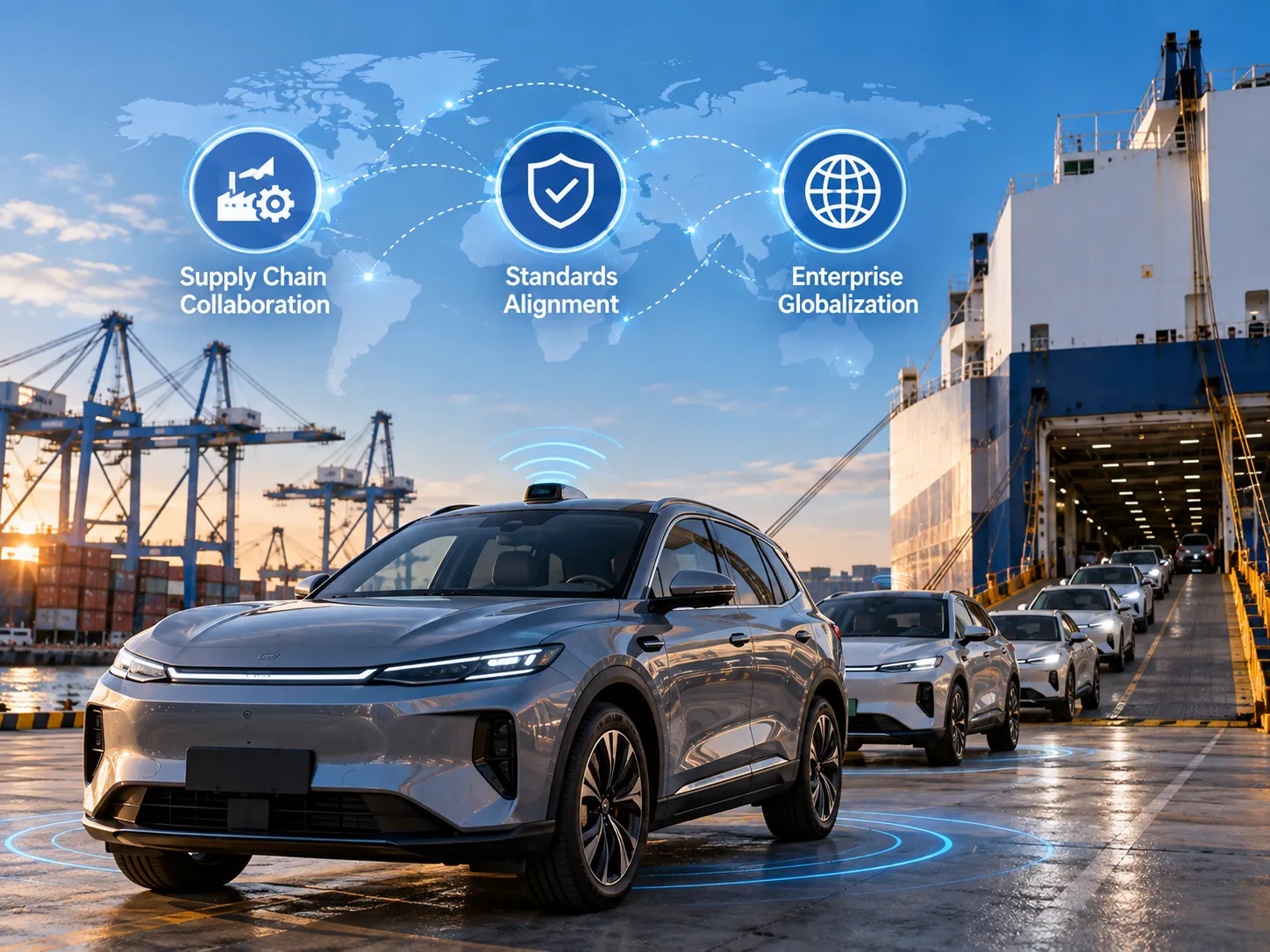
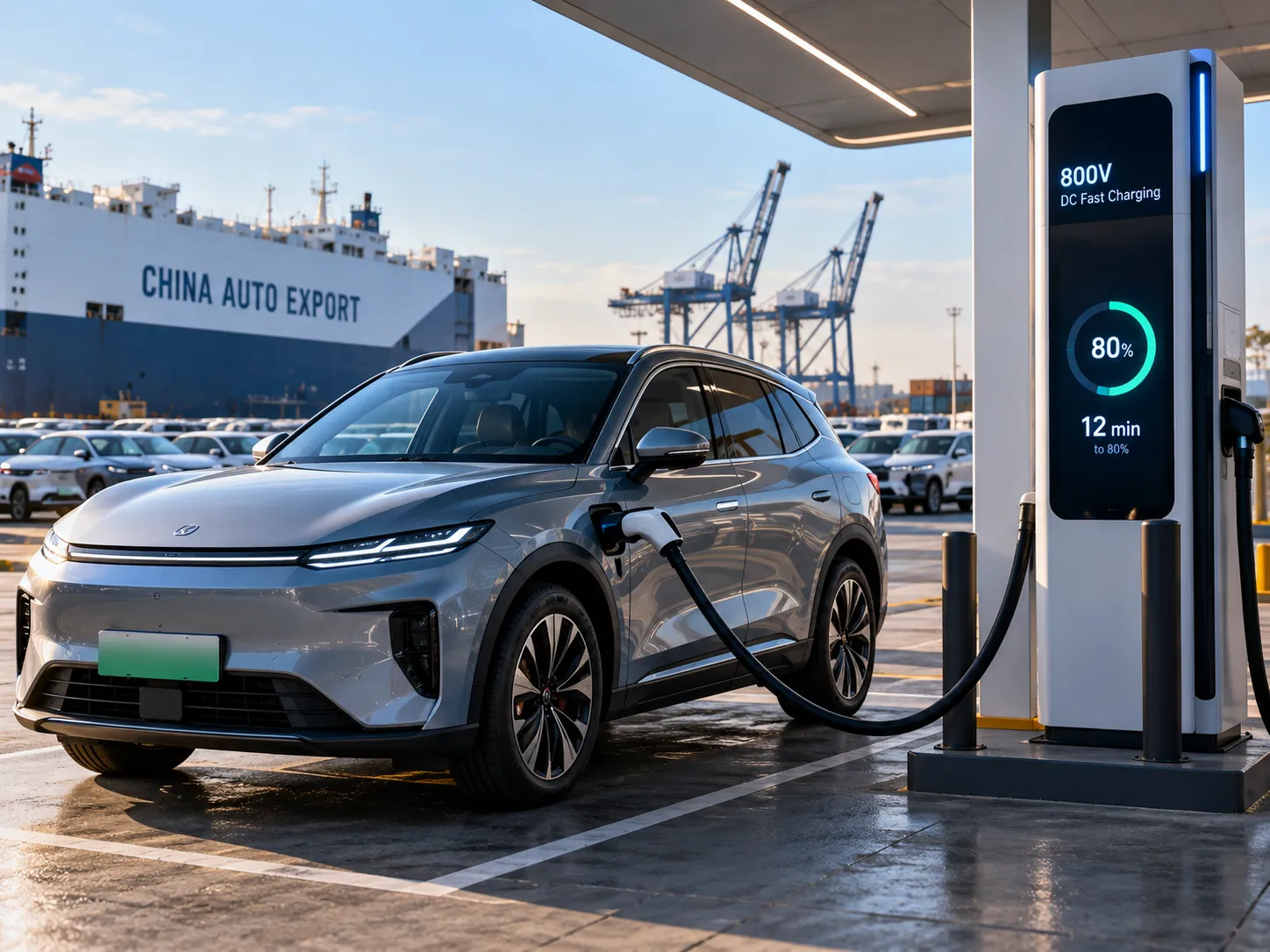
Choosing between a gasoline, hybrid, and electric vehicle should begin with the operating environment rather than the powertrain label. Gasoline vehicles remain practical where driving distances are unpredictable and charging infrastructure is limited. Hybrids are particularly effective for mixed urban and intercity use where buyers want lower fuel consumption without relying on external charging. Battery electric vehicles can deliver strong operating efficiency for predictable daily routes, especially when reliable home, workplace, depot, or public charging is available.
For dealers, fleet operators, and international buyers, the strongest choice depends on daily mileage, traffic conditions, climate, electricity and fuel prices, charging access, passenger or cargo load, local service capability, and expected resale demand. A powertrain that performs very well in a dense city can create unnecessary operating constraints in a remote region. The objective is therefore not to identify one universally superior technology, but to match the powertrain to how and where the vehicle will actually be used.
Which Is Better: Gasoline, Hybrid, or Electric?
There is no single powertrain that performs best in every environment.
Gasoline vehicles offer the greatest refuelling flexibility in markets where fuel stations are widespread but charging infrastructure is still developing. They are particularly relevant for drivers who regularly travel outside major cities or cannot guarantee where the vehicle will be parked overnight.
Hybrid vehicles combine an internal combustion engine with an electric motor and traction battery. A conventional hybrid normally does not require external charging because energy is recovered through regenerative braking and generated during vehicle operation. This can reduce fuel consumption while preserving the range and refuelling convenience associated with a gasoline vehicle.
Battery electric vehicles eliminate the combustion engine and depend entirely on stored electrical energy. Their suitability therefore depends much more directly on access to charging. When a vehicle follows predictable routes and can charge while parked, an EV can be extremely convenient. When the same vehicle must regularly travel through regions with unreliable charging, infrastructure becomes the main operating constraint.
Powertrain Suitability by Operating Environment
| Operating Environment | Gasoline | Hybrid | Electric |
|---|
| Dense urban traffic | Good | Excellent | Excellent |
| Frequent stop-start driving | Higher fuel use | Highly efficient | Highly efficient |
| Mixed city and highway use | Strong | Excellent | Good with reliable charging |
| Long-distance highway travel | Excellent | Excellent | Route and charger dependent |
| Remote areas | Strong | Strong | More dependent on infrastructure |
| Home/depot charging available | Limited benefit | Usually unnecessary for HEV | Major advantage |
| Cold climate | Predictable | Predictable | Requires additional range planning |
| High fuel-price market | Higher operating cost | Strong efficiency advantage | Potentially strong where electricity is affordable |
| Limited technical EV support | Easy to service | Moderate complexity | May be harder to support |
| Predictable fleet route | Good | Very good | Potentially excellent |
This comparison is more useful than selecting a vehicle based only on technology or brand reputation.
When Does a Gasoline Vehicle Still Make the Most Sense?
Gasoline remains a rational choice when route flexibility matters more than maximum energy efficiency.
In many export markets, fuel stations already exist throughout cities, highways, small towns, and rural regions, while public charging remains concentrated in larger urban areas. A gasoline vehicle therefore offers fewer route restrictions when drivers cannot predict where they will travel each day.
This can matter for sales representatives, service engineers, regional businesses, rural households, construction-related operations, and buyers who frequently travel between cities without guaranteed overnight charging.
Gasoline vehicles can also simplify shared fleet operation. Multiple drivers can use the same vehicle without learning charging schedules or planning around charging availability.
The trade-off is fuel consumption, particularly in congested traffic. Internal combustion engines are generally less efficient during repeated low-speed acceleration and idling than electrified drivetrains that can recover part of the vehicle's braking energy.
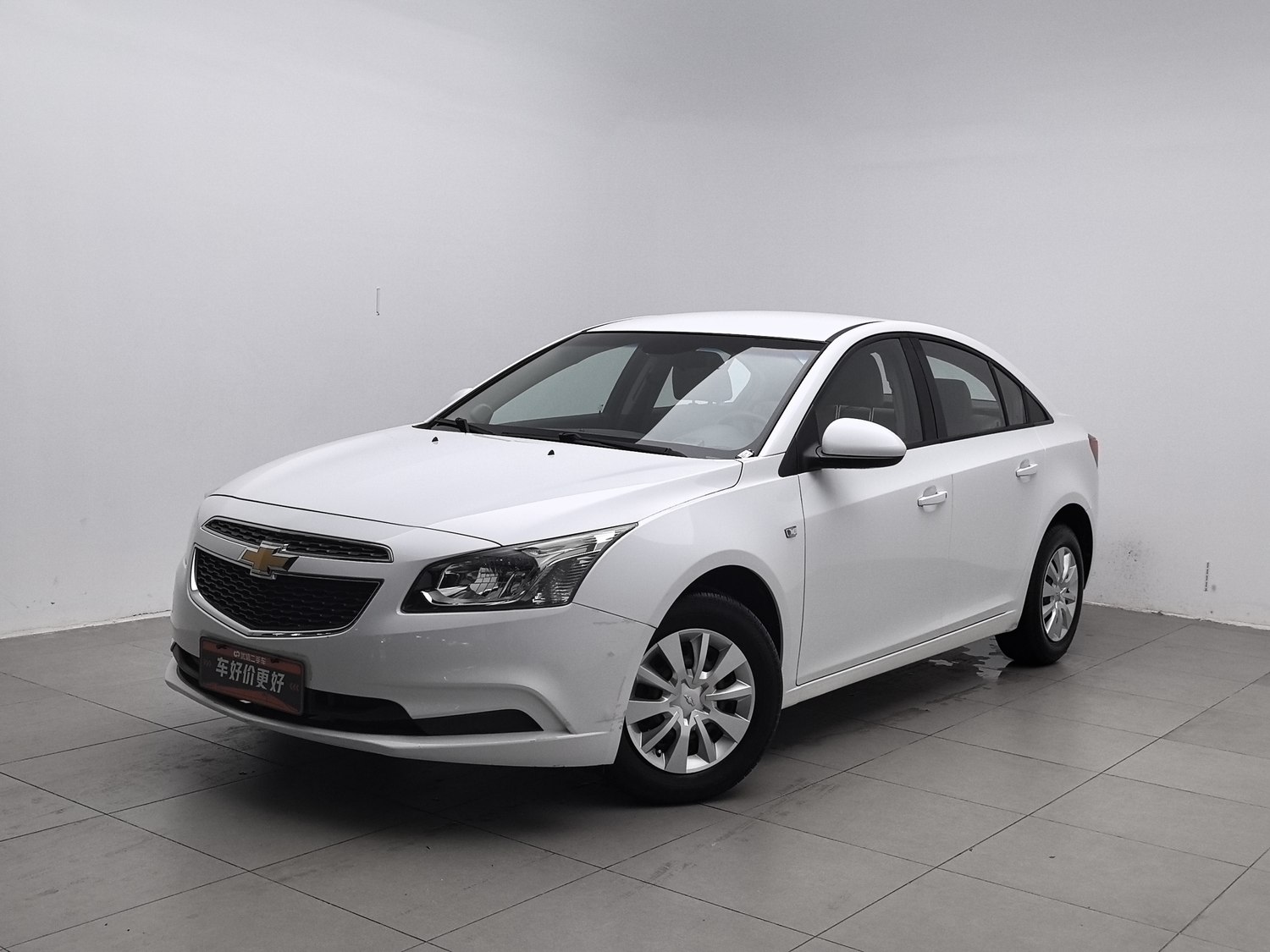
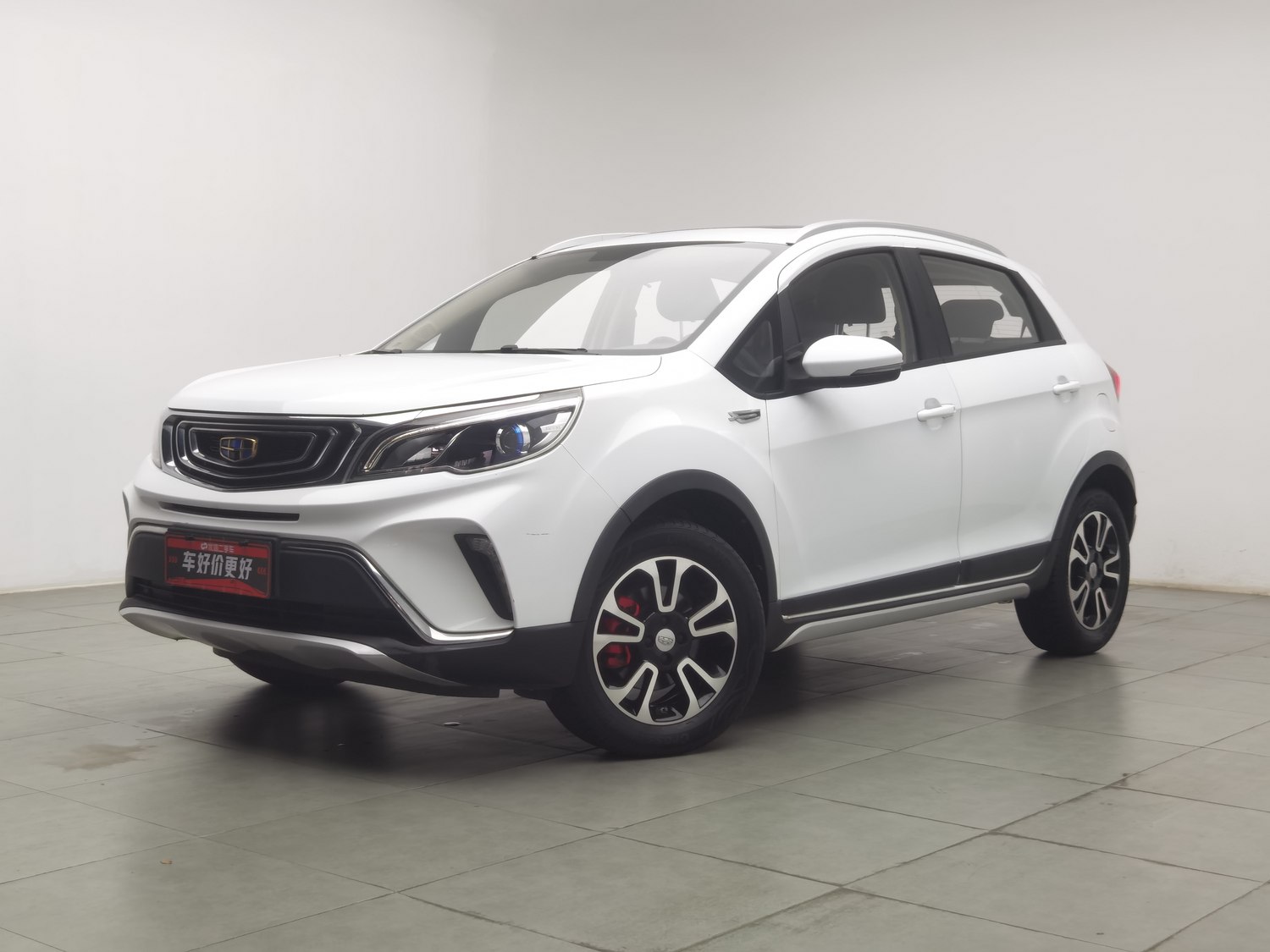
For buyers considering haval used inventory, a gasoline SUV can therefore remain commercially attractive where customers need flexible refuelling, familiar servicing, practical passenger space, and the ability to travel beyond established charging corridors.
The same principle applies to other gasoline SUVs. The reason to choose them is not that gasoline is technically more advanced, but that infrastructure and customer behaviour can make it the lower-risk operating choice.
Are Gasoline Vehicles Better for Rural and Remote Areas?
They are often easier to operate, but road location alone does not determine the answer.
Remote operation creates two separate questions: where will the vehicle obtain energy, and who can service it when something goes wrong?
If fuel distribution is established but charging infrastructure is unreliable, gasoline provides a clear practical advantage. Drivers can refuel quickly without changing route planning significantly.
Service capability also matters. Modern gasoline vehicles use sophisticated electronics, but workshops in many developing or rural markets remain more familiar with engines, automatic transmissions, ignition systems, cooling systems, and conventional fuel systems.
A hybrid can also work well in these environments because it retains gasoline refuelling capability. However, buyers should confirm that local technicians can diagnose the hybrid system if a high-voltage or battery-related issue occurs.
Battery electric vehicles should not automatically be excluded from rural operation. If an operator has private parking, reliable electricity, predictable mileage, and sufficient range reserve, overnight charging can make an EV practical even when public chargers are scarce.
This is why infrastructure should be evaluated at the vehicle's actual operating base rather than judged only by national charging statistics.
Why Do Hybrids Perform Well in Urban Traffic?
Hybrid systems are particularly well suited to frequent braking and low-speed acceleration.
Regenerative braking can convert part of the vehicle's kinetic energy into electrical energy instead of allowing all of it to be lost as heat through the friction brakes. That recovered energy can later assist propulsion.
The electric motor can also reduce the amount of time the combustion engine operates inefficiently at very low vehicle speeds. Depending on the hybrid design and battery state, the vehicle may move under electric power alone during limited conditions or use the motor to assist acceleration.
These characteristics make hybrids attractive for commuters, taxis, family vehicles, and fleet users that spend significant time in congested cities.
An urban driver does not need a large electric-only range to benefit from hybrid technology. The value comes from reducing energy loss during repeated stop-start operation.
Hybrid SUVs can offer the same advantage for users who need more passenger or cargo capacity but do not want to depend entirely on charging infrastructure.
This middle position is especially relevant in markets where congestion is significant but residential charging remains inconsistent.
Does a Hybrid Need to Be Plugged In?
A conventional hybrid does not.
This distinction is important because buyers often use the terms hybrid, plug-in hybrid, and electric vehicle as though they refer to the same charging requirements.
A conventional hybrid uses an internal combustion engine, electric motor, and traction battery. The battery is recharged through regenerative braking and energy produced within the vehicle.
A plug-in hybrid uses a larger battery that can be charged externally. It normally provides a meaningful electric-only driving range before relying more heavily on the combustion engine.
A battery electric vehicle depends entirely on external electricity.
For a buyer living in an apartment without a dedicated charger, this difference can determine which powertrain is practical. A conventional hybrid may fit daily use without any change in refuelling behaviour, whereas an EV requires a reliable charging strategy.
Dealers should therefore explain charging requirements before focusing on visible features such as screens, equipment, or acceleration performance.
When Is a Hybrid Better Than a Gasoline Vehicle?
A hybrid becomes especially attractive when annual mileage is relatively high and a significant proportion of driving occurs in urban or mixed conditions.
Fuel price has a major influence. Where gasoline is expensive, reducing consumption creates greater financial value.
Traffic conditions matter as well. A driver spending hours each week in stop-start congestion is likely to benefit more from hybrid operation than someone driving almost exclusively at stable highway speeds.
The acquisition-price difference must still be considered. Fuel savings do not justify paying an unlimited premium for a hybrid.
For used vehicles, battery condition introduces another factor.
A buyer planning to buy used toyota highlander should therefore evaluate more than passenger capacity and model year when considering a hybrid version. Hybrid-system diagnostics, battery condition where relevant data is available, cooling-system performance, maintenance history, warning lights, and local technical support all influence the quality of the purchase.
A well-selected used hybrid can provide an effective compromise between lower fuel consumption and the ability to refuel anywhere gasoline is available.
When Does an Electric Vehicle Make the Most Operational Sense?
Electric vehicles work particularly well when daily mileage is predictable and charging is available during periods when the vehicle would otherwise be parked.
This often describes urban commuters with private parking, business fleets returning to a depot, hotel transfer vehicles with scheduled downtime, local delivery operations, and households with dependable overnight charging.
The most important variable is not the total number of public charging stations in a country. It is whether charging is available at the right location and at the right time for the specific user.
Home charging is particularly valuable because the driver can begin most days with a predictable battery level without making a separate trip to refuel.
Public fast charging becomes more important for drivers who lack private parking or regularly make long-distance journeys.
A compact EV used mainly for short urban commuting can therefore fit a very different operating pattern from a premium electric sedan used for frequent intercity travel.
The correct decision comes from matching the technology to the duty cycle.
Is an Electric Vehicle Better for City Driving?
Cities create many conditions that favour electric vehicles.
Low-speed efficiency is strong, regenerative braking can recover energy during deceleration, and no fuel is consumed while the vehicle is stationary in traffic.
Electric drivetrains also provide smooth low-speed operation and immediate torque, which can improve everyday drivability in congested streets.
However, city use alone does not automatically make an EV the correct purchase.
Charging access remains the critical factor.
A city resident with private parking and a home charger may find daily EV use extremely convenient. Another driver living in an apartment without an assigned parking space may depend almost entirely on public charging.
The second driver may cover fewer kilometres but still find an EV less convenient because charging cannot be integrated naturally into the parking routine.
Dealers should therefore ask where the customer parks overnight, not simply how many kilometres the customer drives.

How Important Is Home or Depot Charging?
It can determine whether an EV is operationally convenient or inconvenient.
When an electric vehicle can charge at home or at a fleet depot overnight, the energy supply process happens while the vehicle is already inactive.
This reduces dependence on public charging and allows the vehicle to start most days with a predictable state of charge.
Fleet operators need to consider electrical capacity as well as vehicle numbers. Charging one car overnight may require little change to existing infrastructure. Charging twenty vehicles at the same time can require load management, additional electrical capacity, or staggered charging.
Charging speed should also match vehicle downtime.
A car parked for ten hours each night may not require extremely high charging power. A high-utilisation commercial vehicle that is stationary for only a short period may need much faster charging.
For fleets, vehicle procurement and charging infrastructure should therefore be planned as one system rather than as separate investments.
Are Electric Vehicles Suitable for Long-Distance Driving?
Yes, when vehicle range and charging infrastructure match the route.
The usable journey is not determined by advertised range alone.
A buyer should consider charger spacing, charger reliability, charging speed, temperature, vehicle load, and the amount of time the driver can reasonably spend charging during the journey.
A vehicle capable of high-speed DC charging can recover significant range quickly, but that technical capability provides little value when the route offers only slow or incompatible chargers.
Long-distance EV suitability also depends on route repetition. A driver travelling the same intercity corridor every week can learn where reliable chargers are located and integrate them into the journey. A driver constantly travelling to unfamiliar remote locations faces much more uncertainty.
Gasoline and hybrid vehicles can therefore remain lower-risk choices for drivers who regularly travel beyond established charging corridors.
How Does Cold Weather Affect Gasoline, Hybrid, and Electric Vehicles?
Cold weather affects all three powertrains, but battery electric vehicles generally require more careful range planning.
Gasoline engines can consume more fuel in cold conditions because they take longer to reach efficient operating temperature.
Hybrids are also affected because the combustion engine may operate more frequently to provide cabin heat, while the battery system itself becomes less efficient at low temperatures.
EVs face an additional issue: cabin heating and battery thermal management consume energy from the same battery used for propulsion.
This does not mean EVs cannot operate effectively in cold climates. It means winter operating range should be considered separately from mild-weather performance.
Vehicle technology matters. Heat pumps, battery preconditioning, thermal management, and access to charging can substantially improve cold-weather usability.
For a fleet operating short urban routes and returning to a charger every night, winter range loss may have little operational impact. For a vehicle covering long distances through remote cold regions, the same reduction can become much more significant.
What About Very Hot Climates?
High temperatures create another set of operating considerations.
Gasoline vehicles depend heavily on cooling-system condition. Radiators, coolant, hoses, water pumps, cooling fans, and air-conditioning performance all deserve careful inspection when vehicles will operate in hot regions.
Hybrids add battery thermal management to this requirement.
Electric vehicles likewise depend on effective battery cooling. High temperatures can increase cabin air-conditioning demand and influence long-term battery aging.
For used EVs, a buyer should therefore investigate not only mileage but also the climate in which the vehicle previously operated.
A vehicle that spent years in extreme heat may have a different battery condition from an identical vehicle used in a moderate environment.
Powertrain choice should therefore take climate into account without relying on simple statements such as “EVs are unsuitable for hot countries” or “gasoline is always better in extreme weather.”
The condition and thermal-management design of the specific vehicle matter more.
What Should Buyers Check Before Purchasing a Used Electric Vehicle?
A used EV requires a different inspection emphasis from a gasoline vehicle.
Battery health is one of the most important considerations.
Mileage alone cannot fully describe battery condition. Battery aging can be influenced by temperature, charging behaviour, storage state of charge, battery chemistry, fast-charging frequency, and thermal management.
Where reliable diagnostic data is available, buyers should review battery state of health or equivalent manufacturer information.
Charging functionality should also be tested. The vehicle should recognise compatible charging equipment and charge normally without repeated faults or warning messages.
The charging connector, high-voltage warnings, thermal-management system, underbody protection, and battery enclosure deserve close inspection.
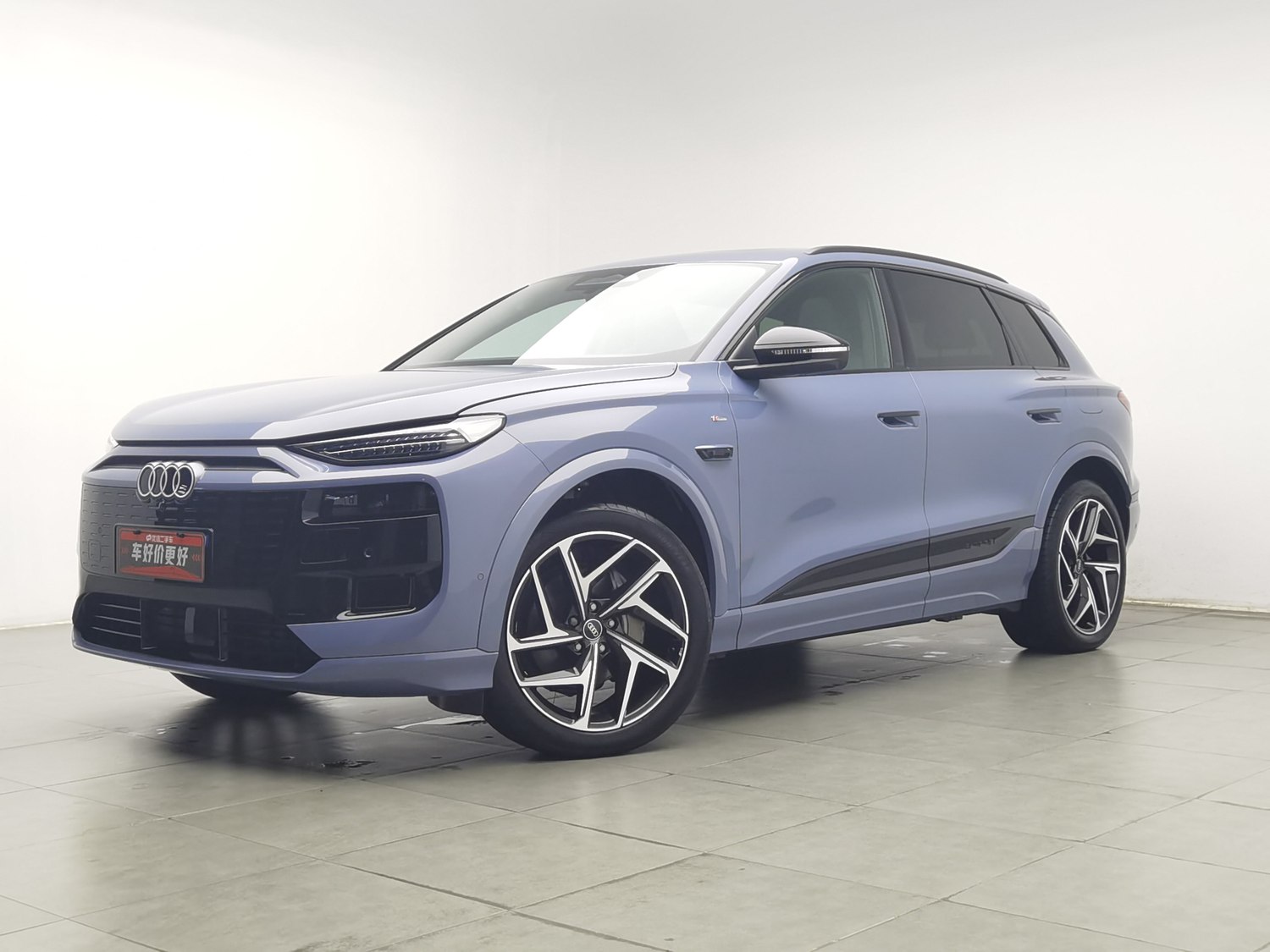
For dealers considering byd china cars for electric inventory, battery condition, charging performance, software status, underbody integrity, mileage, and destination-market technical support should all influence the purchase decision.
An EV that looks excellent cosmetically can still become expensive inventory if battery or charging problems appear after export.
What Should Buyers Check on a Used Hybrid?
Hybrid inspection needs to cover both conventional mechanical systems and electrified components.
Engine operation, cooling, transmission or hybrid transaxle condition, suspension, steering, tyres, brakes, body condition, and maintenance history remain important.
The inspection should also consider hybrid-system warning codes, traction-battery condition, high-voltage components, battery cooling, and previous electrical repair.
A low-mileage hybrid should not automatically be considered a low-risk hybrid. Battery condition is influenced by age and temperature as well as total distance.
The braking system still needs conventional inspection too. Regenerative braking reduces use of friction brakes in some situations, but pads, discs, calipers, and brake fluid remain important.
Dealers should therefore evaluate a hybrid as an integrated powertrain rather than as a gasoline vehicle with an additional battery.
Which Powertrain Has the Lowest Operating Cost?
The answer depends on local energy prices, annual mileage, maintenance, and acquisition cost.
Battery electric vehicles can have lower conventional drivetrain-maintenance requirements because they do not need engine oil, spark plugs, or many other combustion-engine service items.
However, electricity cost varies considerably. Home electricity can be inexpensive, while repeated public fast charging may cost much more.
Hybrids reduce fuel consumption but still contain a combustion engine and associated maintenance systems.
Gasoline vehicles may consume more fuel but can have lower acquisition prices and broader repair familiarity.
For a dealer or fleet buyer, total cost should therefore include purchase price, fuel or electricity cost, annual mileage, maintenance, tyres, financing where relevant, charging infrastructure, expected battery or drivetrain repairs, and resale value.
The powertrain with the lowest energy cost does not automatically have the lowest total ownership cost.
Which Powertrain Works Best for Fleet Vehicles?
Fleet suitability depends heavily on route predictability and utilisation.
Battery electric vehicles are particularly attractive when vehicles follow stable routes and return to the same location each day. Depot charging can become part of the normal parking cycle.
Hybrids work well for fleets with variable routes that still include substantial urban traffic. Drivers receive efficiency benefits without depending on charging infrastructure.
Gasoline vehicles remain practical when daily routes are unpredictable, long, or frequently extend into areas with limited charging.
Vehicle utilisation also matters.
A private EV may remain parked for more than ten hours overnight, providing ample charging time. A commercial vehicle used across multiple shifts may have very little downtime.
The strongest fleet strategy may therefore involve more than one powertrain. Different vehicles can be assigned to different operating patterns rather than forcing every route into one technology.
How Should Dealers Think About Resale Demand?
Resale demand should influence powertrain selection before the vehicle is purchased.
Gasoline vehicles can retain stronger liquidity in markets with limited charging infrastructure or well-developed conventional service networks.
Hybrids can occupy a useful middle position because customers gain improved fuel efficiency without changing their refuelling routine.
Used EV resale demand often depends more heavily on confidence in battery condition, charging availability, parts supply, software support, and local customer familiarity.
Vehicle type also matters. A small EV may appeal primarily as an affordable urban commuter, while a premium electric sedan serves a completely different market.
Dealers should therefore avoid buying EVs simply because wholesale prices appear attractive at source.
The destination market must have customers who understand how to operate, charge, and maintain the vehicle.
The same principle applies to gasoline and hybrid inventory. Source-market popularity does not automatically translate into profitable resale elsewhere.
How Should Dealers Compare Gasoline, Hybrid, and Electric Inventory?
The comparison should focus on resale-adjusted ownership value rather than technology alone.
| Dealer Consideration | Gasoline | Hybrid | Electric |
|---|
| Source price | Often competitive | Can carry premium | Highly model dependent |
| Local service familiarity | Usually strong | Requires hybrid knowledge | Requires EV capability |
| Refuelling/charging barrier | Low | Low for conventional HEV | Can be significant |
| Urban efficiency | Moderate | Strong | Strong |
| Long-distance flexibility | Strong | Strong | Infrastructure dependent |
| Used battery evaluation | Not applicable | Important | Critical |
| Resale in weak charging market | Usually strong | Often strong | Potentially weaker |
| Resale in mature EV market | Stable | Stable | Can be strong |
| Preparation risk | Mechanical | Mechanical + hybrid | Battery/electronic + conventional chassis |
| Best sourcing approach | Condition and cost | Condition plus hybrid diagnostics | Battery health plus charging support |
This framework also shows why a mixed inventory strategy can be more commercially resilient than concentrating entirely on one powertrain.
How Zacarmate Supports Multi-Powertrain Used Vehicle Sourcing
For international dealers, choosing between gasoline, hybrid, and electric vehicles requires more than comparing purchase prices.
Zacarmate supports overseas automotive buyers with sourcing across different powertrain categories and vehicle types. This allows procurement requirements to be defined around the destination market rather than around whichever vehicles happen to be available at the lowest source price.
A dealer operating in a market with limited charging may focus more heavily on gasoline SUVs and conventional hybrids. An urban distributor serving customers with established charging access can increase electric inventory while placing greater emphasis on battery condition, charging compatibility, range, and local technical support.
Fleet buyers can define expected daily mileage and charging conditions before selecting powertrain type.
This approach is particularly useful because the same market may support several technologies at once. An urban commuter may prefer a compact EV, a family buyer may choose a hybrid, while a regional business operator may still favour gasoline because of route flexibility.
Zacarmate can therefore support vehicle selection based on fuel type, model year, mileage, vehicle category, budget, and destination-market requirements while coordinating inspection, export preparation, and logistics.
The most valuable sourcing decision is not to choose the newest technology. It is to select the powertrain whose infrastructure, operating cost, maintenance requirements, and resale demand work together.
FAQ
Is a hybrid better than a gasoline car for city driving?
A hybrid is often more efficient in urban traffic because regenerative braking can recover energy during repeated deceleration and the electric motor can assist during low-speed operation. Whether it provides better overall value depends on annual mileage, fuel price, purchase cost, battery condition, and the price difference between comparable vehicles.
Is an electric vehicle suitable if I cannot charge at home?
It can be, but routine charging needs to be convenient. Reliable workplace charging or nearby public charging can make EV ownership practical, while dependence on distant or frequently occupied chargers can create inconvenience. Buyers should identify where normal charging will happen before selecting the vehicle.
Is a gasoline vehicle better for long-distance driving?
Gasoline remains highly convenient for long journeys because refuelling is fast and fuel infrastructure is widespread. Hybrids provide similar flexibility with potentially lower fuel consumption. EVs can also work well for long-distance travel where vehicle range and reliable fast-charging infrastructure match the route.
Do hybrid vehicles need charging stations?
Conventional hybrids do not need external charging. Their traction batteries are recharged through regenerative braking and vehicle operation. Plug-in hybrids are different because they have larger batteries that can be charged externally and normally provide a longer electric-only driving range.
Are electric vehicles practical in cold climates?
Yes, but cold weather should be included in range planning. Cabin heating, battery temperature, and thermal-management requirements can reduce available driving range. Vehicles with effective battery preconditioning, heat pumps, reliable charging, and sufficient winter range reserve can still operate successfully in very cold environments.
Which powertrain is best for an international used-car dealer?
There is no universal answer. Dealers should compare destination-market fuel and electricity costs, charging infrastructure, customer travel patterns, local service capability, climate, import rules, vehicle condition, and resale demand. In many markets, maintaining a balanced mix of gasoline, hybrid, and electric inventory is more commercially sensible than relying entirely on one technology.
Conclusion
Choosing between gasoline, hybrid, and electric vehicles requires a realistic understanding of how the vehicle will operate after purchase.
Gasoline remains practical where routes are unpredictable, fuel infrastructure is extensive, and charging access is limited. Hybrids provide a strong compromise for urban and mixed-route driving, particularly when buyers want improved efficiency without depending on external charging. Electric vehicles become especially attractive when daily distance is predictable and charging can be integrated into normal home, workplace, or fleet parking.
Climate, route length, annual mileage, energy prices, technical support, customer expectations, and resale demand can all change the correct answer.
Used-vehicle inspection priorities also vary by powertrain. Gasoline vehicles require close attention to engines, transmissions, cooling systems, and conventional mechanical condition. Hybrids add battery and high-voltage-system considerations. Electric vehicles place greater emphasis on traction-battery health, charging functionality, thermal management, software, and high-voltage system condition.
For international dealers, Zacarmate can support sourcing across gasoline, hybrid, and electric vehicle categories while coordinating condition assessment, export preparation, and logistics. Matching the powertrain to the destination's real operating environment is more valuable than choosing a vehicle simply because one technology appears newer, more efficient, or more fashionable.
External References
https://www.iea.org/reports/global-ev-outlook-2026/electric-vehicle-charging-chap-6-and-10
https://www.energy.gov/sites/default/files/202410/Impact_of_Cold_Ambient_Temperature_on_BEV_Performance_v15_TechEditFinal_12Sep2024__0.pdf
https://afdc.energy.gov/vehicles/electric-consumers
Zhongan TikTech (Anhui) Co., Ltd.
Zhongan TikTech (Anhui) Co., Ltd., a Conch Group SOE, exports quality new & used vehicles globally with 40+ years' foreign trade expertise.
 EN
EN
 fr
fr  es
es  ru
ru  pt
pt