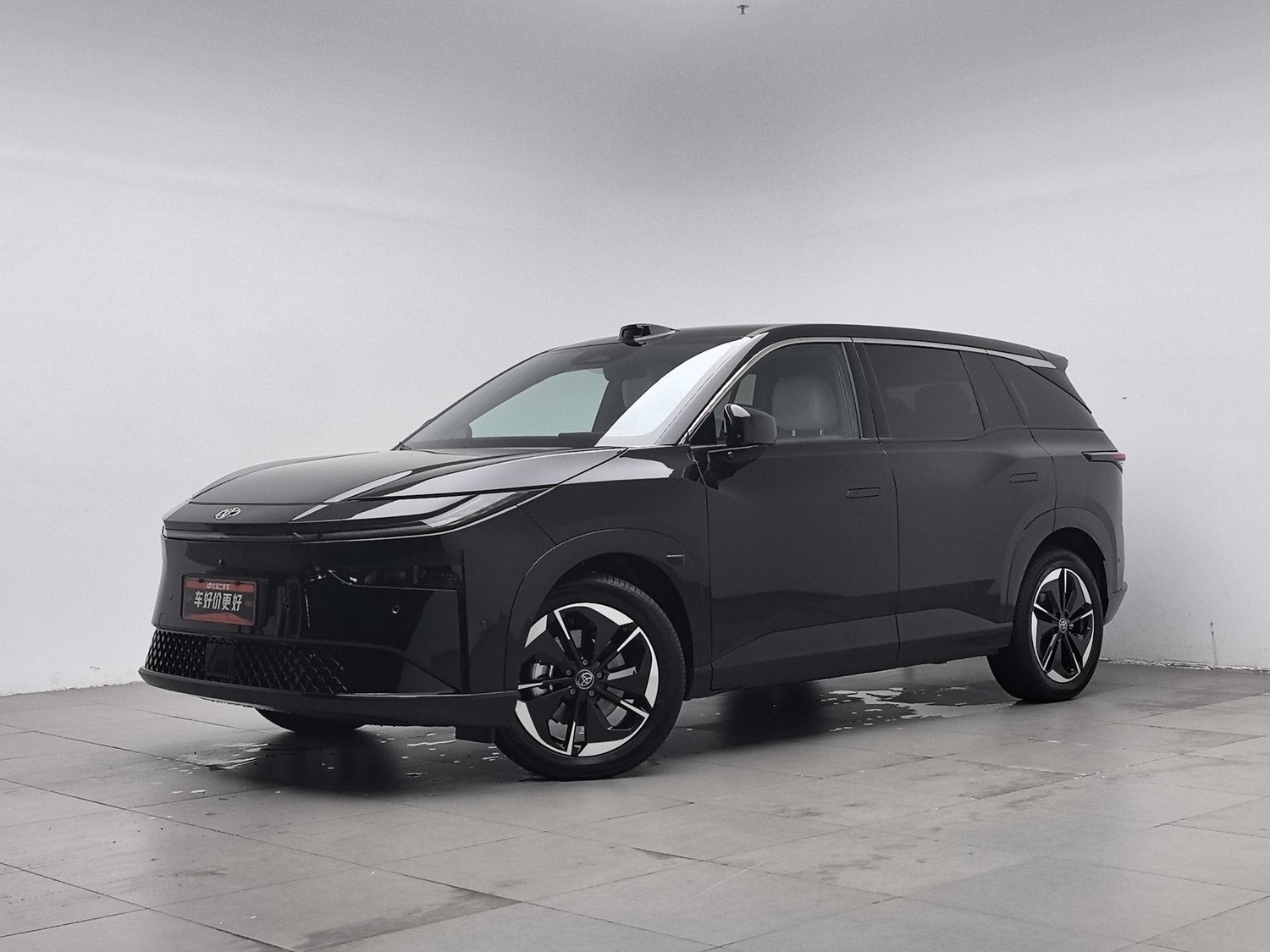
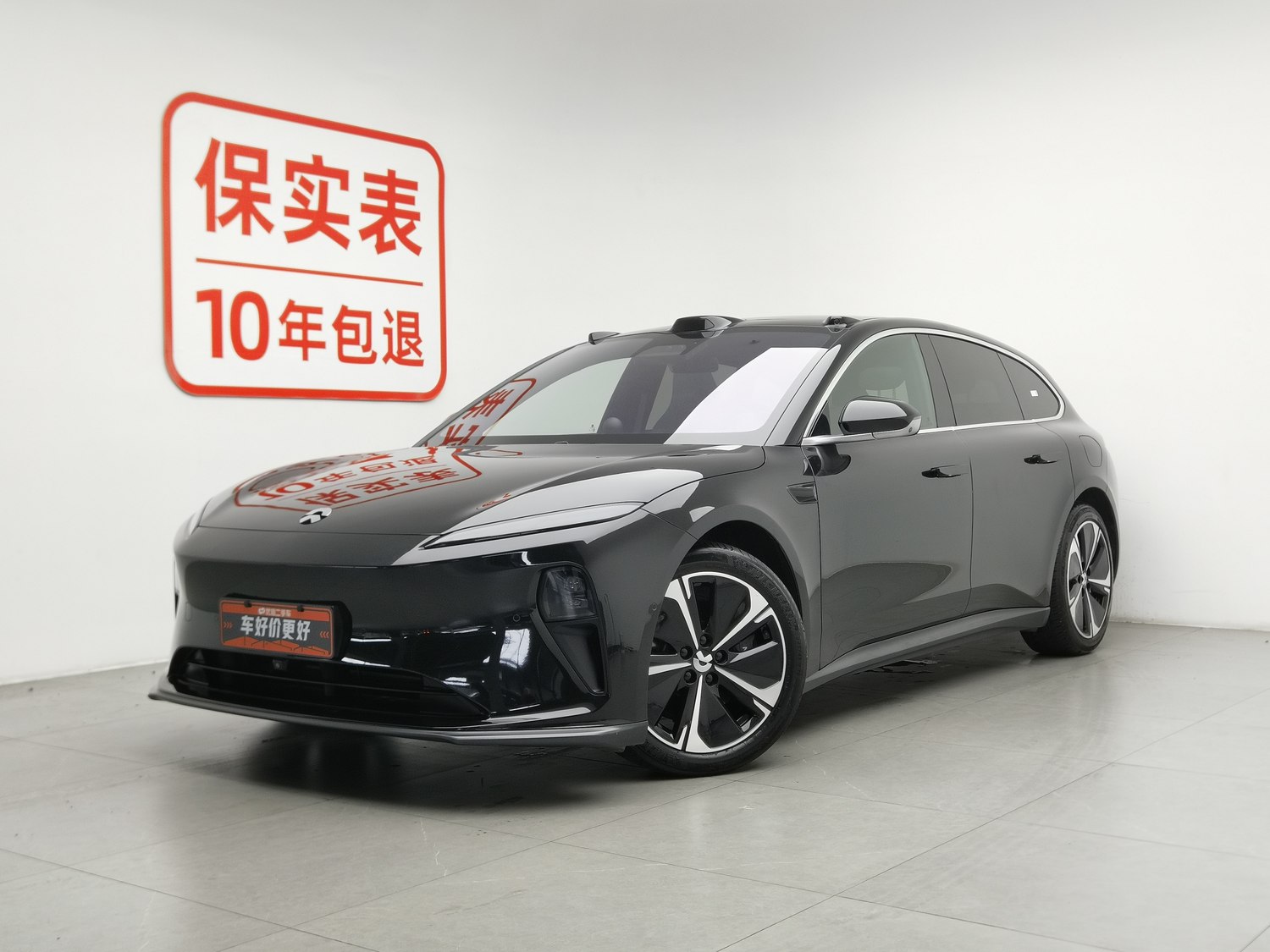
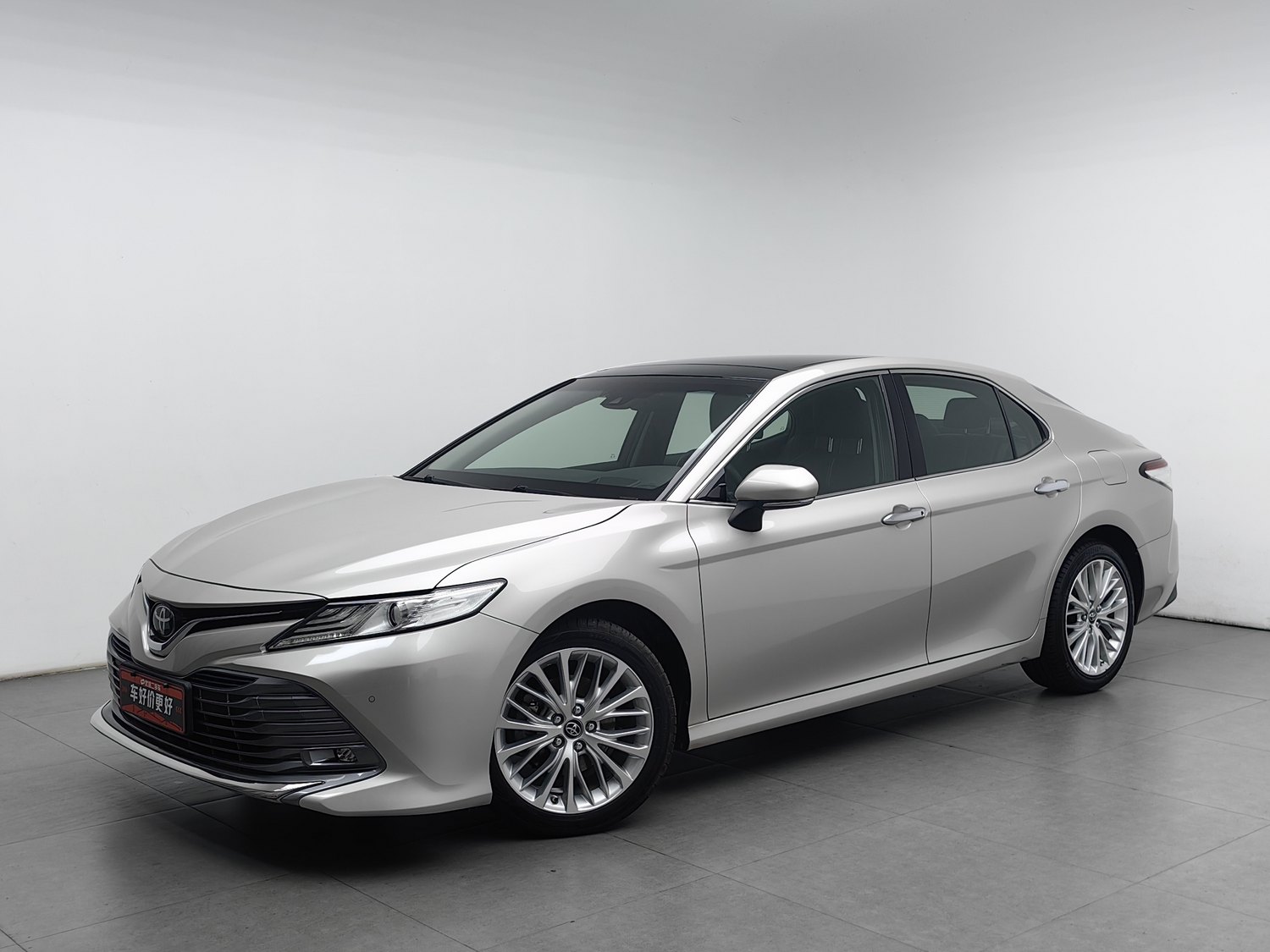
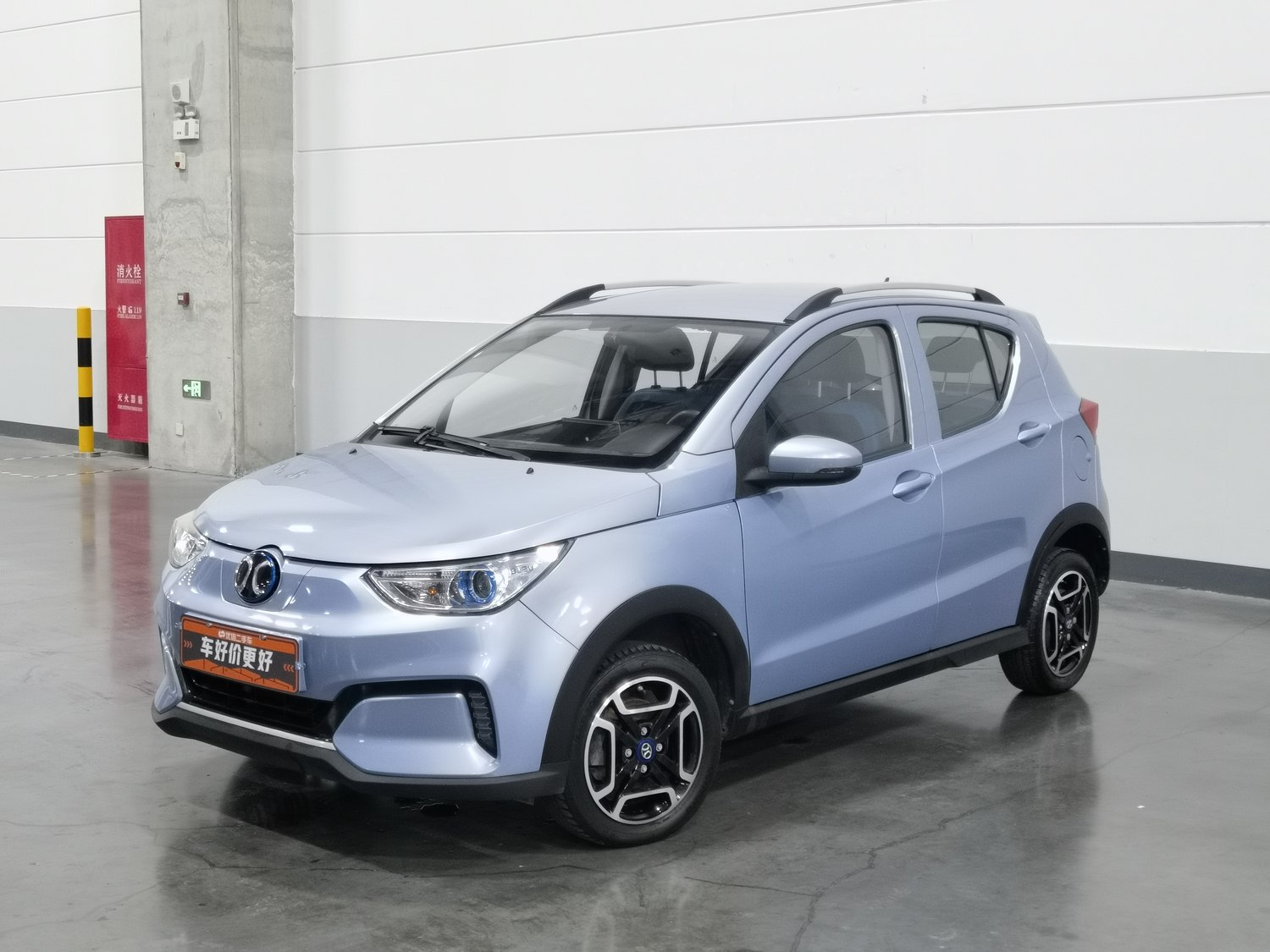
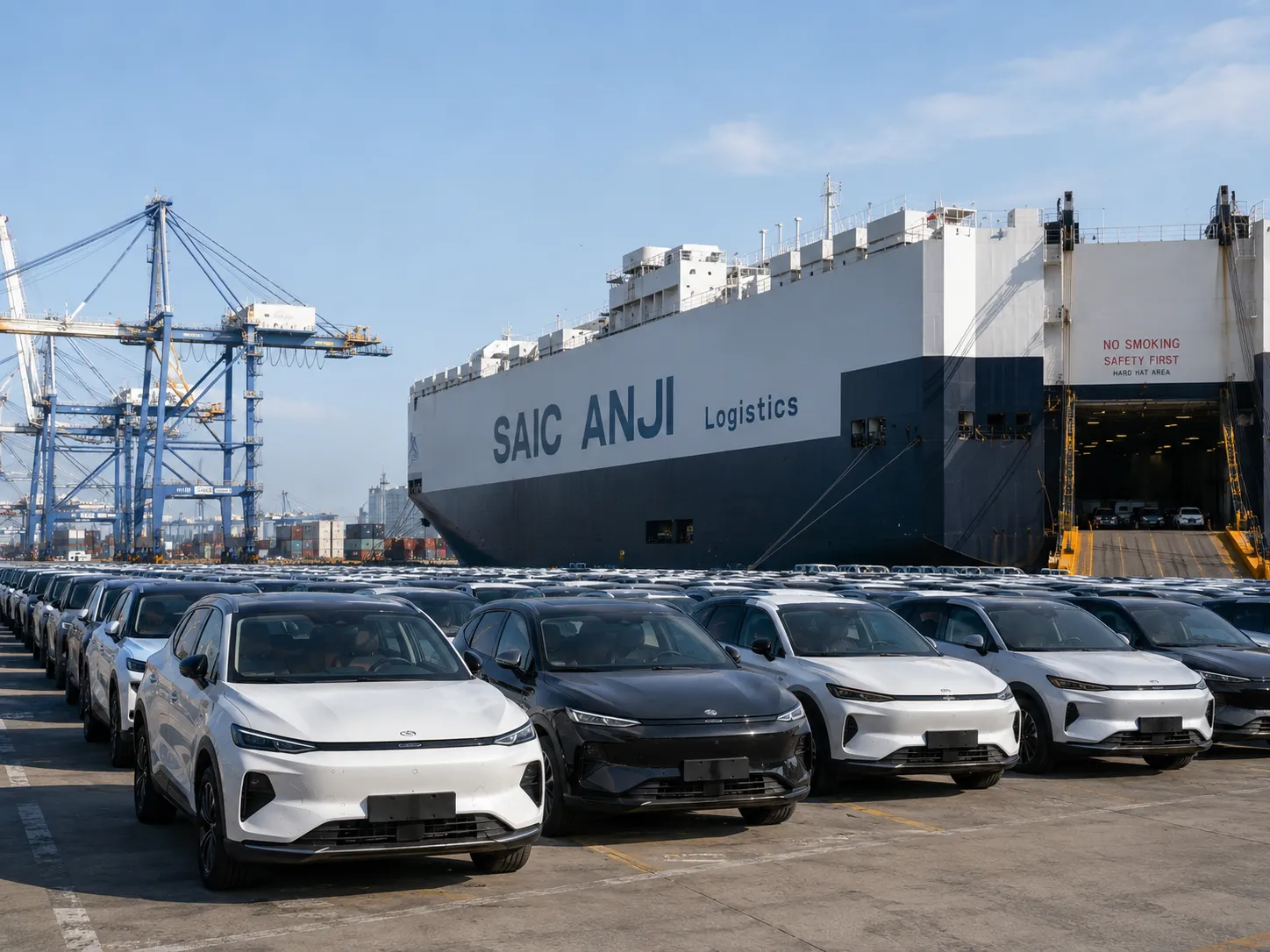
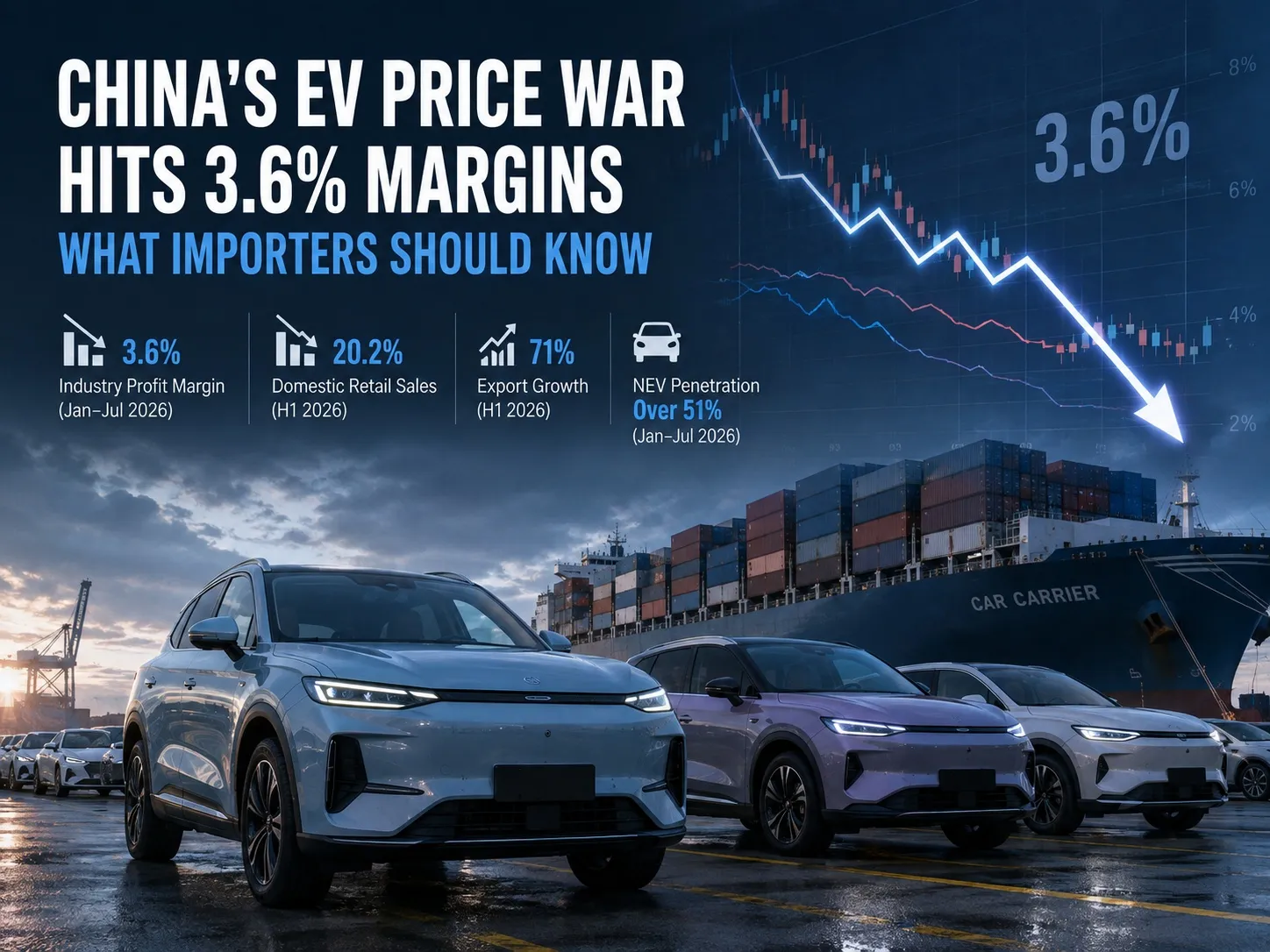
For the first time, three Chinese automakers — BYD (4.8%), Geely (4.6%), and Chery (4.1%) — hold spots in the global top 10 by sales volume, according to CPCA H1 2026 data. EV average prices have fallen below hybrids for the first time ($37,000 vs. $39,000). Chinese EV exports hit 1.64 million units in 2025, up from under 100,000 in 2020. For overseas importers and distributors, the question is no longer whether to add a Chinese brand — it's which one, and how to structure the partnership.
The Top 10 Shift
CPCA's H1 2026 ranking places Toyota first (11.0%), Volkswagen second (8.1%), and Hyundai-Kia third (7.6%). The historic threshold is positions 6 through 9:
| Rank | Group | H1 2026 Share |
|---|
| 1 | Toyota | 11.0% |
| 2 | Volkswagen | 8.1% |
| 3 | Hyundai-Kia | 7.6% |
| 4 | Stellantis | 6.0% |
| 5 | Renault-Nissan | 5.4% |
| 6 | BYD | 4.8% |
| 7 | Geely | 4.6% |
| 9 | Chery | 4.1% |
BYD sits 0.6 points behind Renault-Nissan in fifth. Geely has overtaken General Motors. Chery ties with Ford, powered by emerging-market volume. The three Chinese groups hold a combined 13.5% — larger than Toyota alone.
A dealer in Santiago told us last month: "Two years ago, customers asked if Chinese cars were reliable. Now they ask which Chinese brand has the best service center."
Why Chinese Brands Are Winning
EV prices have fallen below hybrids. According to Mobility Global, the global average EV price hit $37,000 in 2025 (down 9% from 2020), while the average hybrid climbed 16% to $39,000. Battery costs dropped 37% cumulatively over 2020–2025 per BloombergNEF, and China controls roughly 80% of the global battery market.
Export volume backs the ambition. Chinese EV exports grew from under 100,000 units in 2020 to 1.64 million in 2025. Chinese brands now account for nearly 30% of new-car sales in Thailand. The pattern is consistent: compact volume EVs first to build share, larger higher-margin models second, local assembly third.
Scale drives cost. BYD's full-chain advantage — batteries, drive units, and vehicles under one roof — creates pricing that importers in price-sensitive markets find hard to ignore. Changan's Qiyuan Q05 — a compact EV SUV starting at ¥79,900 — passed 100,000 cumulative sales, delivered 18,871 units in July, and took 3,000+ orders in Thailand in under half a month. It launched in Uzbekistan in June, with CKD assembly planned for next year and Indonesia, Central/South America, and Europe on the roadmap. As one china auto exporter we work with noted, "The factory gates are open. What most importers underestimate is the after-sales investment required."
What the Data Tells Importers
Four criteria separate a strong OEM partnership from a costly one:
Scale and momentum. A brand gaining global share is more likely to keep investing in your region. BYD, Geely, and Chery are all expanding export programs, not retrenching.
Local manufacturing footprint. Ask whether the group is building CKD plants, regional parts hubs, or service centers near your market. Changan's playbook — vehicle exports first, regional assembly second, more markets third — is the template across Chinese OEMs.
After-sales infrastructure. Warranty claims and spare-parts availability decide a vehicle's reputation in a new country. A wholesale auto dealer in Lagos told us: "The cars sell themselves. It's the six weeks waiting for a bumper that kills repeat business."
Model mix. The roster of china auto suppliers now spans compact volume cars and large premium models. Pick a mix that matches your customers' budgets. Verify homologation records, not just sticker prices.
The Japan lesson. The source material points out that China surpassed Japan in total vehicle exports, but Japanese automakers still control more of the value chain overseas — local assembly, financing, parts, trade-ins. Chinese OEMs are following the same path but at roughly 3x speed. Importers who sign distribution agreements now will have first-mover advantages when local CKD and service networks mature.
How to Choose a Partner Brand
| Criterion | BYD | Geely | Chery |
|---|
| Global share (H1 2026) | 4.8% | 4.6% | 4.1% |
| Core strength | Full-chain EV cost advantage | Multi-brand portfolio (Geely, Lynk & Co, Zeekr) | Emerging-market volume engine |
| Export regions | Latin America, SE Asia, Europe | CIS, SE Asia, EU, Africa | Europe (55K+ units/month), Latin America |
| Best fit for | Price-sensitive EV markets | Markets needing multi-brand flexibility | High-volume emerging markets |
A vehicles exporter with experience across multiple OEMs can help importers compare real landed costs, homologation timelines, and spare-parts availability before committing to an exclusive agreement. The window for first-mover advantage in several high-growth regions is narrowing.
Frequently Asked Questions
1. Which Chinese automaker offers the best margins for overseas importers?
No single OEM dominates on margin. BYD offers the lowest per-unit cost on EVs. Geely's multi-brand structure gives distributors more pricing flexibility. Chery's volume focus supports competitive dealer incentives in emerging markets. Evaluate on a per-market, per-model basis.
2. Are Chinese EVs reliable enough for my market?
The global top-10 ranking itself is the strongest signal. 13.5% combined global share — including in Europe, the world's most regulated market — is a market verdict, not a marketing claim. BYD, Geely, and Chery are all investing in regional service centers and parts warehouses alongside their export programs.
3. How do I compare OEMs on after-sales support?
Ask each OEM for their regional spare-parts delivery SLA, warranty claim turnaround time, and number of certified service points in your target market. A reliable china auto supplier with multi-OEM experience can provide comparative data across brands.
4. What's the minimum order quantity for a new distributor?
MOQs have been flexible in 2025–2026 as OEMs compete for export channels. 200–500 units annually for emerging markets, 100–300 for mature markets. Trial orders as low as 1 unit are available through experienced china auto exporters who consolidate multi-brand shipments.
5. Should I sign an exclusive or non-exclusive distribution agreement?
Non-exclusive is lower risk for a first contract. Test the brand, the market response, and the OEM's after-sales support before committing to exclusivity. Multi-brand importers in ASEAN, Africa, and Latin America typically run one primary brand with one or two secondary lines.
Sources: CPCA H1 2026 global sales-share data; Mobility Global EV/HEV pricing analysis; CAAM 2025 EV export figures; BloombergNEF battery cost index.
About the Author / Sourcing Partner
This analysis was prepared by the supply chain intelligence team at Zacarmate (Zhongan TikTech (Anhui) Co., Ltd.), the state-owned auto export arm of Conch Group (Fortune Global 500). We help international dealers and fleet buyers source vehicles from all major Chinese OEMs — new and used, single unit or container loads.
How we support global distributors:
Multi-brand sourcing: BYD, Geely, Chery, and all major Chinese OEMs — one point of contact
Flexible volumes: MOQ from 1 unit for market testing; multi-brand consolidation
Quality assurance: Multi-point inspection, verified mileage, zero accident/flood/fire vehicles
Full logistics: Domestic transport, warehousing, Ro-Ro/container/rail shipping, complete export documentation
→ Contact our export desk for OEM-specific wholesale pricing and a tailored sourcing plan.
—
Zhongan TikTech (Anhui) Co., Ltd.
Zhongan TikTech (Anhui) Co., Ltd., a Conch Group SOE, exports quality new & used vehicles globally with 40+ years' foreign trade expertise.
 EN
EN
 fr
fr  es
es  ru
ru  pt
pt