The most reliable way to choose a Chinese vehicle for export is to start with the destination market rather than the supplier's inventory. A model that is attractive in China may have weak demand elsewhere, while a vehicle with a higher purchase price can perform better commercially if its specification, regulations, operating environment and resale prospects fit the target country.
For international dealers, vehicle selection should therefore follow a simple sequence: understand the market, define the required vehicle characteristics, verify compliance, and only then source specific units.
What Should Buyers Consider Before Choosing a Chinese Vehicle for Export?
The first stage is to identify the requirements of the destination market.
This includes consumer demand, road conditions, climate, fuel or charging infrastructure, taxation, import restrictions, registration requirements, spare-parts availability and local service capability.
These factors can change the commercial value of a vehicle substantially.
For example, a compact urban vehicle may be appropriate for a dense city market but less suitable where customers regularly travel on rough roads. A large SUV may be attractive where road conditions and family usage support it but commercially inefficient where fuel costs and urban parking are major concerns.
How Do Destination-Market Regulations Affect Vehicle Selection?
Regulatory compatibility should be established before a vehicle is purchased.
The buyer should identify whether the model can be imported, registered and legally sold in the destination country. Depending on the jurisdiction, the requirements may cover emissions, safety, lighting, dimensions, steering configuration, vehicle age, type approval and other technical standards.
China's current used-vehicle export rules require exporters to provide a third-party inspection report and declare that the export vehicle meets the destination market's applicable access standards.
In the European Union, vehicle type approval requires compliance with safety, environmental and conformity-of-production requirements before a vehicle type can be placed on the market.
The practical implication is important: destination-market compliance should be checked before the purchase order, not after the vehicle reaches the port.
Should Buyers Choose Chinese Brands or Established International Brands?
The answer depends on the market.
Chinese brands can offer competitive pricing, modern specifications, advanced electronics and a wide range of powertrains. Established international brands may benefit from greater familiarity, existing service networks and stronger recognition in particular markets.
Neither characteristic guarantees commercial success.
A dealer should compare the exact vehicle model, specification, pricing and support requirements against local customer expectations.
For example, a buyer sourcing byd china cars should assess the relevant model's battery or powertrain, local charging conditions, parts availability, software compatibility and resale environment instead of evaluating the brand as a category alone.
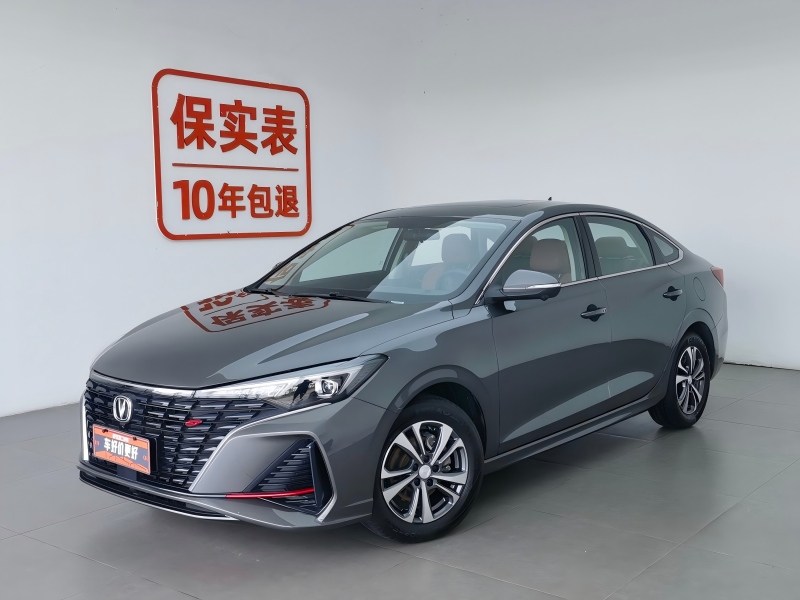
The same approach applies when sourcing changan used car inventory. Model selection should be connected to local demand, price positioning and after-sales capability.
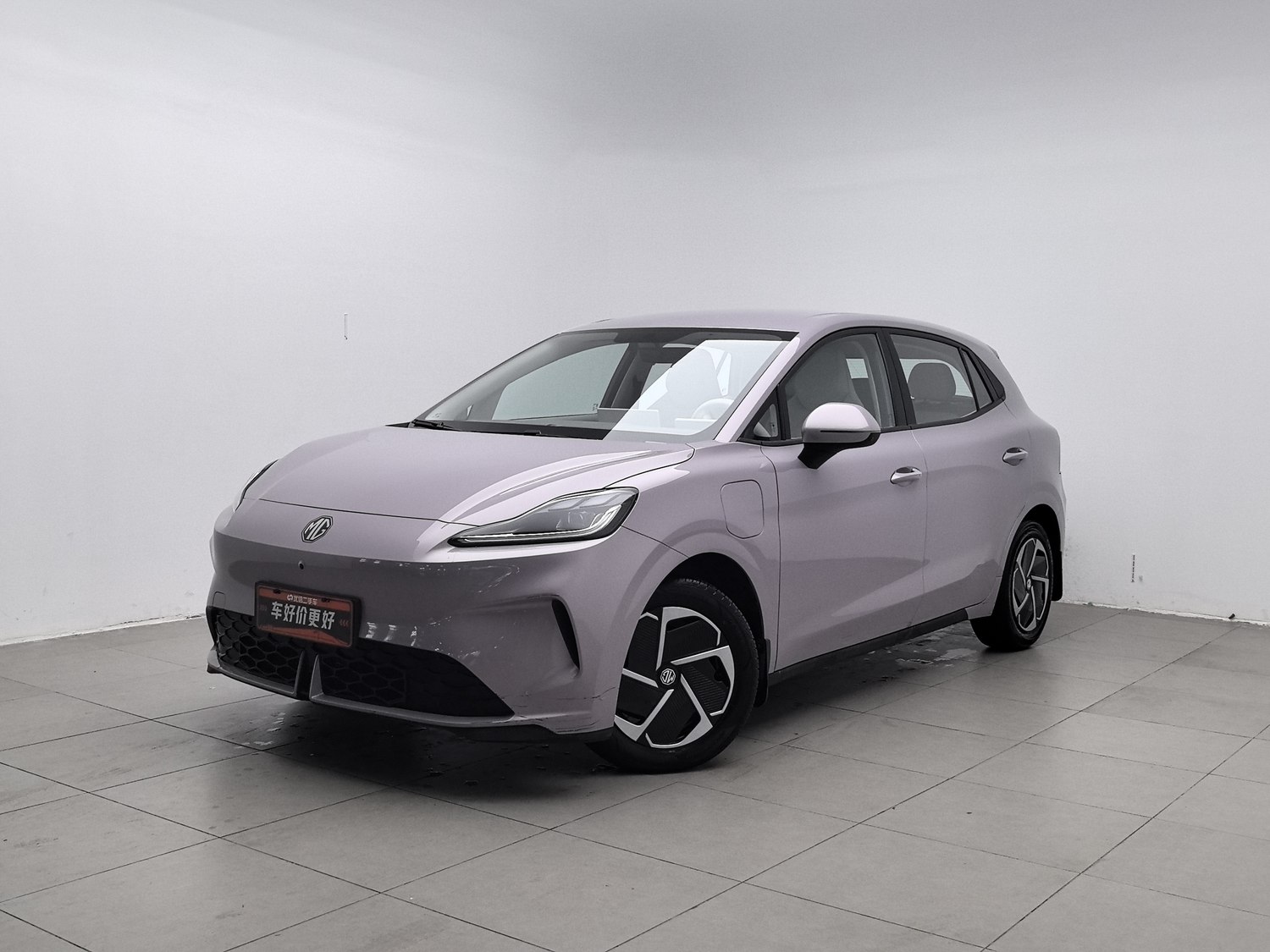
A different brand may be more appropriate for another market. For instance, buyers evaluating mg used car sales should consider local brand awareness, vehicle specification and the availability of maintenance support in the intended destination.
How Does the Local Operating Environment Affect Vehicle Selection?
Road conditions are one of the most overlooked variables in export sourcing.
Vehicles intended for areas with rough roads may require different suspension characteristics, ground clearance, tyre specifications and underbody protection from vehicles intended primarily for urban highways.
Climate is equally important.
High temperatures can place greater demands on cooling and air-conditioning systems. Cold climates can affect battery performance, cabin heating and tyre selection. Dusty conditions can influence filtration and maintenance requirements.
The vehicle specification should therefore be evaluated against actual operating conditions.
What Role Does Fuel and Charging Infrastructure Play?
Powertrain selection should reflect local infrastructure.
For gasoline and diesel vehicles, buyers should examine fuel availability, fuel quality, local operating costs and service infrastructure.
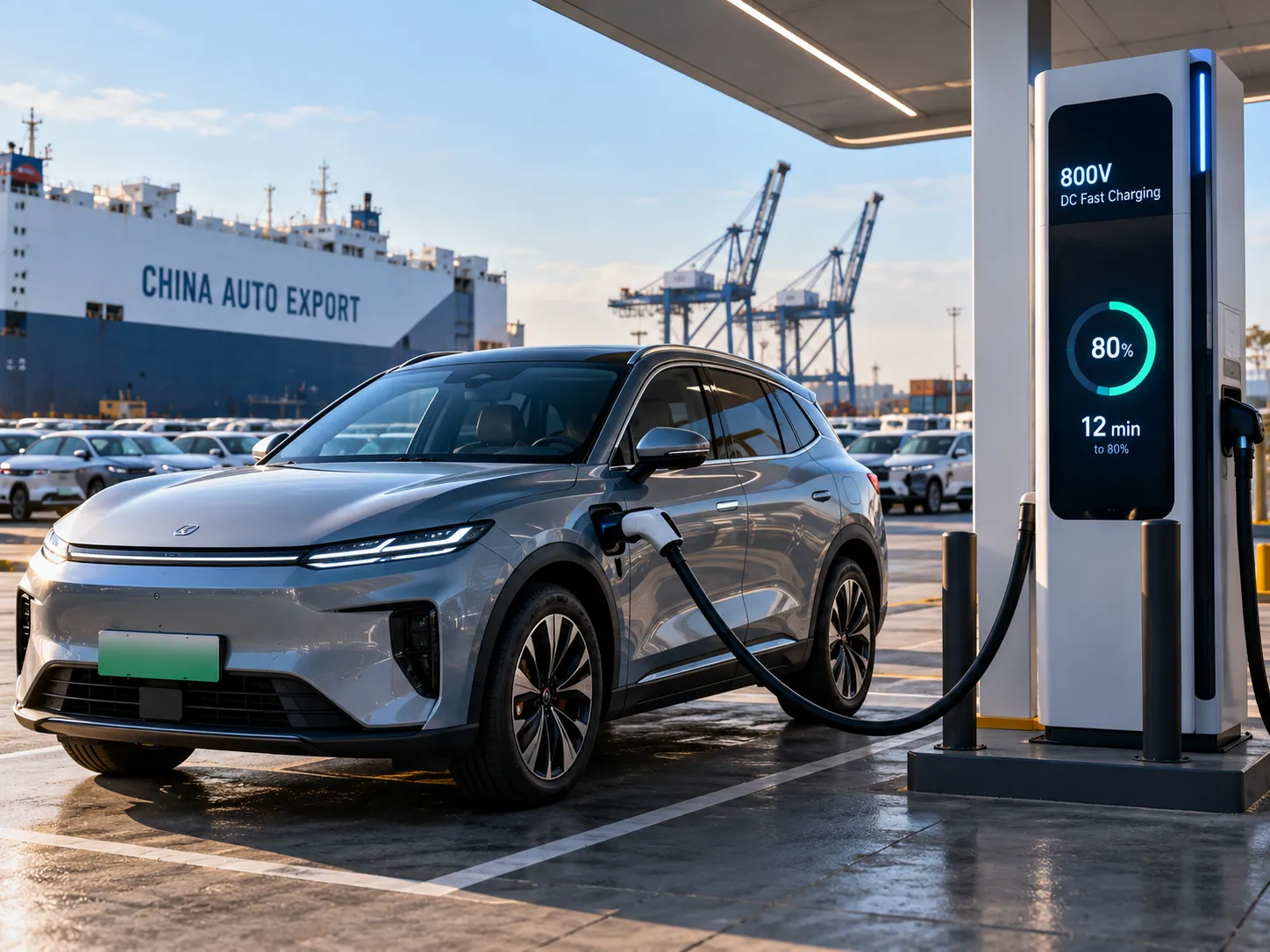
For hybrids and EVs, the analysis becomes broader. Buyers need to understand charging availability, connector compatibility, electricity reliability, charging speed, local service capability and the availability of diagnostic equipment.
An EV that performs well technically can still have weak commercial potential if customers cannot conveniently charge it.
The same applies to plug-in hybrids if the intended users lack practical access to charging.
How Important Are Spare Parts and After-Sales Service?
Parts availability can directly affect a dealer's reputation and the customer's ownership experience.
A vehicle may have an attractive purchase price, but if a common body component or electronic module takes weeks to obtain, the dealer can face customer complaints, warranty costs and longer repair times.
Before selecting a model, international buyers should investigate:
availability of routine maintenance parts;
availability of accident-repair components;
local technician capability;
diagnostic equipment;
warranty procedures;
technical documentation;
expected parts lead times.
This is particularly important for new or less familiar Chinese brands entering a market for the first time.
How Should Dealers Evaluate Resale Potential?
Resale potential should be evaluated before inventory is purchased.
A useful framework includes demand, purchase price, specification, operating cost, reliability perception, parts support, brand recognition, financing availability and expected depreciation.
| Evaluation Factor | Question for the Buyer |
|---|
| Local demand | Are customers actively searching for this model? |
| Regulation | Can it be legally imported and registered? |
| Specification | Does the configuration fit local usage? |
| Infrastructure | Can customers easily fuel or charge it? |
| Parts | Are common parts accessible? |
| Service | Can local technicians support it? |
| Pricing | Is the landed cost competitive? |
| Resale | Is there a realistic secondary market? |
This framework is more useful than selecting models based solely on supplier recommendations.
Why Should Destination-Market Research Happen Before Sourcing?
Once inventory has been purchased and shipped, many costs become difficult to reverse.
A buyer may discover that a model needs additional certification, that a particular configuration is unpopular, or that local customers prefer another body style or powertrain.
Those problems should be identified before the purchase order.
This is also why experienced export suppliers can contribute more than vehicle procurement alone. A supplier familiar with multiple overseas markets can help buyers identify the specifications that need to be checked before a transaction is finalized.
What Makes a Chinese Vehicle Easier to Sell Overseas?
There is no single specification that guarantees resale success. However, vehicles tend to be easier to commercialize when their purchase price, equipment, operating cost, reliability expectations, service support and local regulatory status align with market demand.
The destination market should also be considered at the model level.
A brand may perform well in one country but have limited recognition in another. A vehicle that is popular among urban buyers may have less appeal in regions where larger vehicles dominate.
For this reason, export sourcing should be built around market-specific vehicle portfolios, rather than a generic list of available inventory.
How Can an International Dealer Build a Vehicle Shortlist?
The dealer can begin with a market profile containing target customers, price range, common body types, preferred powertrains and local regulations.
The next step is to identify several candidate models and compare them on landed cost, compliance, technical suitability, parts support and expected resale.
Only after that should individual vehicle units be selected and inspected.
This process reduces the risk of allowing supplier inventory to dictate the business model.
Frequently Asked Questions
What Is the First Step When Choosing a Chinese Car for Export?
Define the destination market first. The buyer should understand local demand, regulations, infrastructure, road conditions and after-sales requirements before choosing a specific model.
Are Chinese Vehicles Suitable for Every Export Market?
No. Suitability depends on the vehicle's specification and the requirements of the destination market.
Should Buyers Choose the Cheapest Available Vehicle?
Not necessarily. A low acquisition price can be offset by higher compliance costs, weak resale demand, limited parts support or expensive after-sales service.
Are Chinese Brands Difficult to Sell Overseas?
Market performance varies by country and model. Brand awareness, pricing, service support, local regulations and customer preferences all influence demand.
How Important Is Charging Infrastructure for Exported EVs?
It is critical. Buyers should check charger availability, connector compatibility, electrical infrastructure, service capability and customer usage patterns before selecting EV inventory.
Why Should Parts Availability Be Considered Before Purchasing?
Because parts shortages can increase repair time, warranty exposure and customer dissatisfaction. A commercially successful vehicle needs an after-sales system as well as an attractive purchase price.
Conclusion
Choosing a Chinese vehicle for export should begin with the destination market, not with whichever model happens to have the lowest quotation. The strongest procurement decisions connect local customer demand with vehicle specification, regulatory access, infrastructure, service capability and resale economics.
For international dealers, this market-first approach can make vehicle sourcing more predictable and help prevent unsuitable inventory from entering the shipment in the first place. The objective is not simply to export more vehicles, but to select vehicles that make commercial sense after they arrive.
External References
Zhongan TikTech (Anhui) Co., Ltd.
Zhongan TikTech (Anhui) Co., Ltd., a Conch Group SOE, exports quality new & used vehicles globally with 40+ years' foreign trade expertise.

 EN
 fr
 es
 ru
 pt