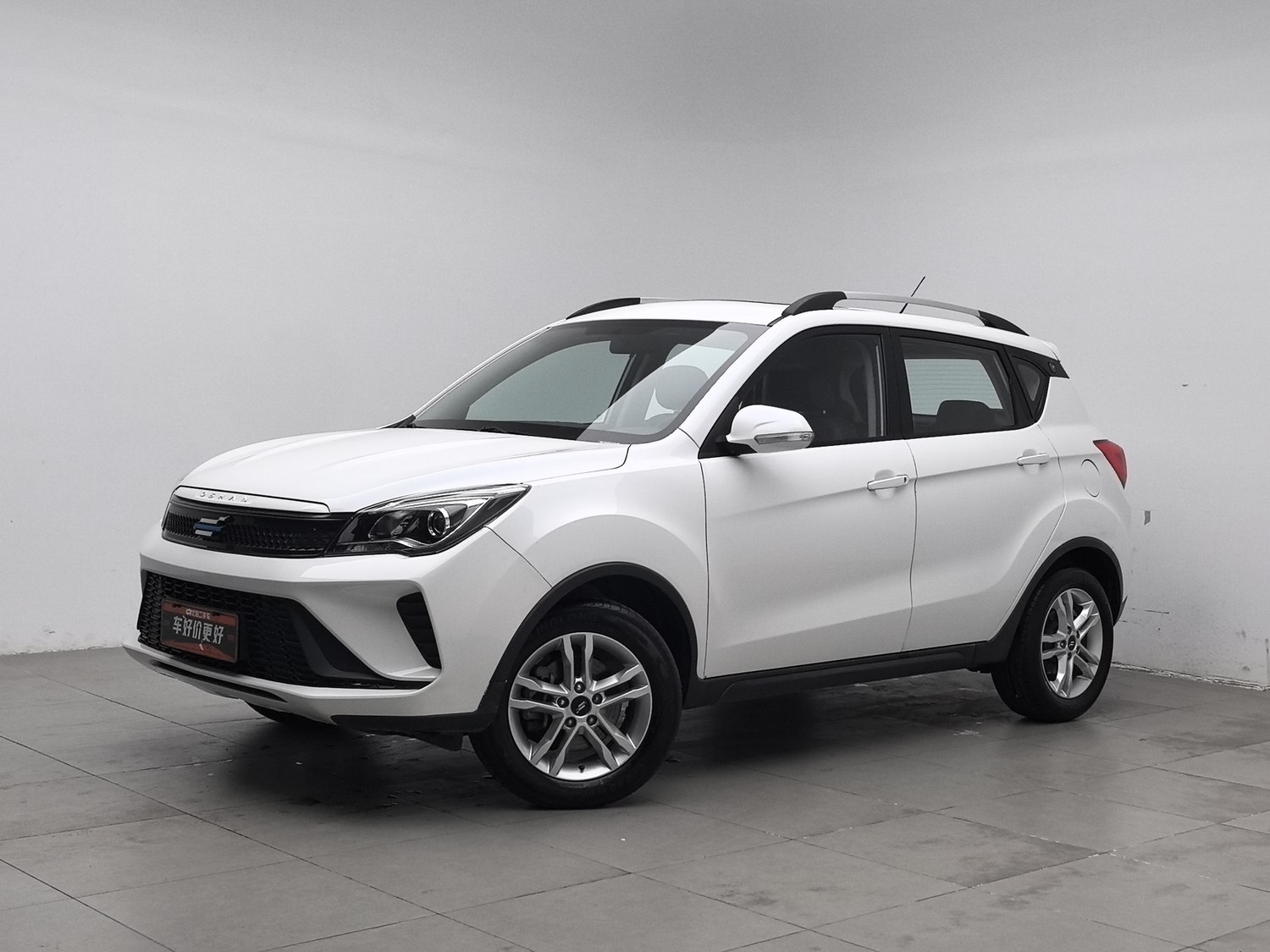
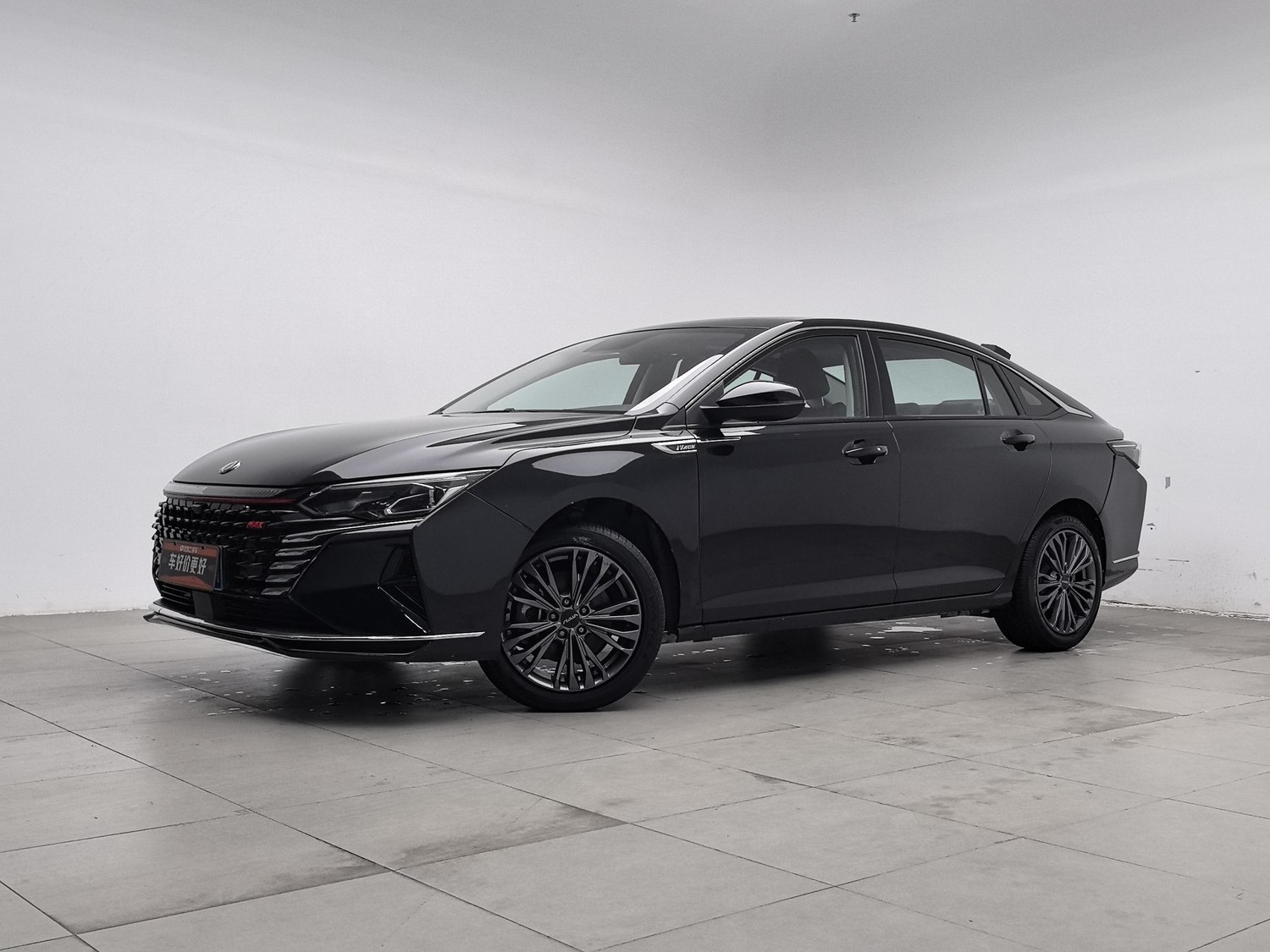
A used car can look excellent in photographs and still be a poor export purchase. Photos can show paint, interior condition and overall appearance, but they cannot reliably reveal structural repairs, hidden mechanical problems, diagnostic faults, battery degradation, flood exposure, inconsistent mileage or previous accident damage.
For an international buyer, the question is therefore not whether a vehicle looks good. It is whether the vehicle's identity, condition, history, specification and destination-market economics can be verified before shipment.
What Should Be Checked Before Buying a Used Car From China?
The inspection should begin with vehicle identity rather than appearance.
The VIN, model, registration details, production date, mileage and specification should be checked against the available documentation. Any discrepancy should be investigated before the vehicle is purchased.
The physical inspection should then cover the body, structure, chassis, powertrain, transmission, suspension, braking system, tyres, electrical equipment, air conditioning and diagnostic system.
For an international buyer, the inspection report should distinguish normal wear from issues that may affect safety, reliability or resale value.
Why Are Vehicle Photos Not Enough?
Photographs are useful for preliminary screening, but they provide only a limited view of vehicle condition.
A polished exterior may conceal repaired panels. A clean engine compartment does not demonstrate mechanical health. A dashboard photograph may not reveal intermittent electronic faults. An attractive interior provides little information about transmission wear, suspension components or battery condition.
The limitations become even greater when the vehicle is being purchased remotely.
The buyer may be thousands of kilometres away from the vehicle, which means the pre-export inspection becomes the primary source of independent physical evidence.
A professional inspection should therefore use photographs as supporting evidence rather than the final basis for purchase.
How Can Buyers Identify Previous Accident Damage?
Accident history should be evaluated through a combination of physical evidence and documentation.
Inspectors can examine paint thickness, panel gaps, weld points, structural members, chassis areas, replacement components and alignment. The presence of repaired bodywork does not automatically make a vehicle commercially unacceptable, but the buyer should understand what happened and whether the repair involved structural components.
The inspection should also distinguish between cosmetic repairs and major accident repairs.
For export purchasing, the most useful report is not simply one that says “good condition.” It should document observable evidence and identify areas requiring further investigation.
Does Low Mileage Mean That a Used Car Is Better?
Not necessarily.
Mileage is an important indicator, but it should be assessed together with vehicle age, maintenance history, usage conditions, storage conditions and physical condition.
A low-mileage vehicle can still have problems if it has been poorly maintained or stored for long periods. A higher-mileage vehicle with consistent maintenance records and good mechanical condition may provide a more predictable ownership history.
What Makes a Used Vehicle Suitable for Export?
A commercially suitable used vehicle needs to satisfy three different tests.
First, it should be mechanically and structurally acceptable.
Second, its documentation and export status should be clear.
Third, its specification should make sense for the destination market.
Zacarmate's chery automobile china inventory illustrates why brand and model selection should be combined with vehicle-condition analysis. A buyer evaluating Chery inventory should still examine the exact model year, mileage, configuration, condition and local market requirements rather than assuming that the brand alone determines commercial value.
Similarly, when comparing mazda hybrid used vehicles, the buyer should consider the hybrid system, service history and destination-market support in addition to exterior condition.
For dealers looking for a broader selection of good quality used cars, the inspection process should remain vehicle-specific. A general supplier description should never replace the inspection report for an individual unit.
What Documents Should a Used-Car Exporter Provide?
The document package should normally include the VIN, registration information, inspection report and export documentation, together with other documents required by the destination country.
For used-car exports from China, the current regulatory framework requires an effective export contract, vehicle registration documentation, a third-party inspection report and a declaration that the vehicle meets the applicable standards of the destination market.
The buyer should also ask for available maintenance and repair information. Maintenance records can help establish whether mileage and vehicle condition are consistent with the vehicle's history.
Why Does Destination-Market Specification Matter?
A technically sound vehicle can still become a poor export purchase if its configuration does not match the destination.
Potential issues include steering position, lighting equipment, emissions requirements, charging systems, communications functions, safety equipment, vehicle dimensions and registration standards.
The European Union, for example, applies vehicle type-approval requirements covering safety, environmental and conformity-of-production requirements.
The same principle applies outside Europe. Each destination country needs to be checked according to its own import and registration framework.

How Should International Buyers Organize a Pre-Shipment Inspection?
A useful inspection workflow starts with identity verification and then moves from exterior condition to structure, mechanical systems, electronics and documentation.
The inspector should record the VIN, mileage and vehicle specification first. Body panels, glass, lights, tyres and interior condition can then be examined. The inspection should continue to the engine or electric powertrain, transmission, suspension, braking system and underbody.
A diagnostic scan should be included where appropriate.
For EVs and hybrids, the inspection should additionally cover battery condition, charging performance and high-voltage components.
Photographs should document important findings rather than simply provide attractive vehicle images.
What Should a Buyer Do If the Inspection Reveals Problems?
The buyer should quantify the problem before deciding whether to proceed.
| Finding | Commercial Consideration |
|---|
| Cosmetic wear | Detailing or body preparation cost |
| Tyre wear | Replacement cost and local specification |
| Mechanical issue | Repair cost and downtime |
| Accident repair | Safety, disclosure and resale implications |
| Diagnostic fault | Technical investigation and repair |
| Battery degradation | Range, value and warranty exposure |
| Documentation issue | Export or registration risk |
This converts the inspection report into a purchasing tool rather than a simple checklist.
Frequently Asked Questions
Can Photographs Prove That a Used Car Is in Good Condition?
No. Photographs can help with preliminary screening but cannot replace physical inspection, diagnostic testing and document verification.
Is Low Mileage the Most Important Factor When Buying Used Cars?
No. Mileage should be considered alongside age, maintenance history, accident history, technical condition and destination-market requirements.
Should a Used Car Be Inspected Before Shipment?
Yes. Pre-shipment inspection gives the buyer an opportunity to identify condition or documentation problems before additional international logistics costs are incurred.
Can an Accident-Repaired Car Still Be Exported?
That depends on the vehicle's actual condition, inspection result and destination-market requirements. Any relevant repair history should be accurately disclosed.
What Should Be Included in a Used-Car Inspection Report?
The report should identify the vehicle, record mileage, assess body and structural condition, evaluate the powertrain and chassis, check electronics and identify significant defects. EVs should receive additional battery and charging checks.
Does a Well-Known Vehicle Brand Guarantee Resale Value?
No. Brand recognition is only one factor. Model specification, price, condition, parts availability, local demand and service support can all affect resale performance.
Conclusion
A photograph is useful for identifying a vehicle, but it is not sufficient evidence for an international purchasing decision. Used-car export requires a combination of inspection, documentation, technical verification and market analysis.
For overseas dealers, the strongest sourcing process is to establish the vehicle's true condition before shipment and to calculate the commercial implications of every major finding. This reduces the risk of buying a vehicle that looks attractive online but becomes expensive or difficult to sell after arrival.
External References
Zhongan TikTech (Anhui) Co., Ltd.
Zhongan TikTech (Anhui) Co., Ltd., a Conch Group SOE, exports quality new & used vehicles globally with 40+ years' foreign trade expertise.

 EN
 fr
 es
 ru
 pt