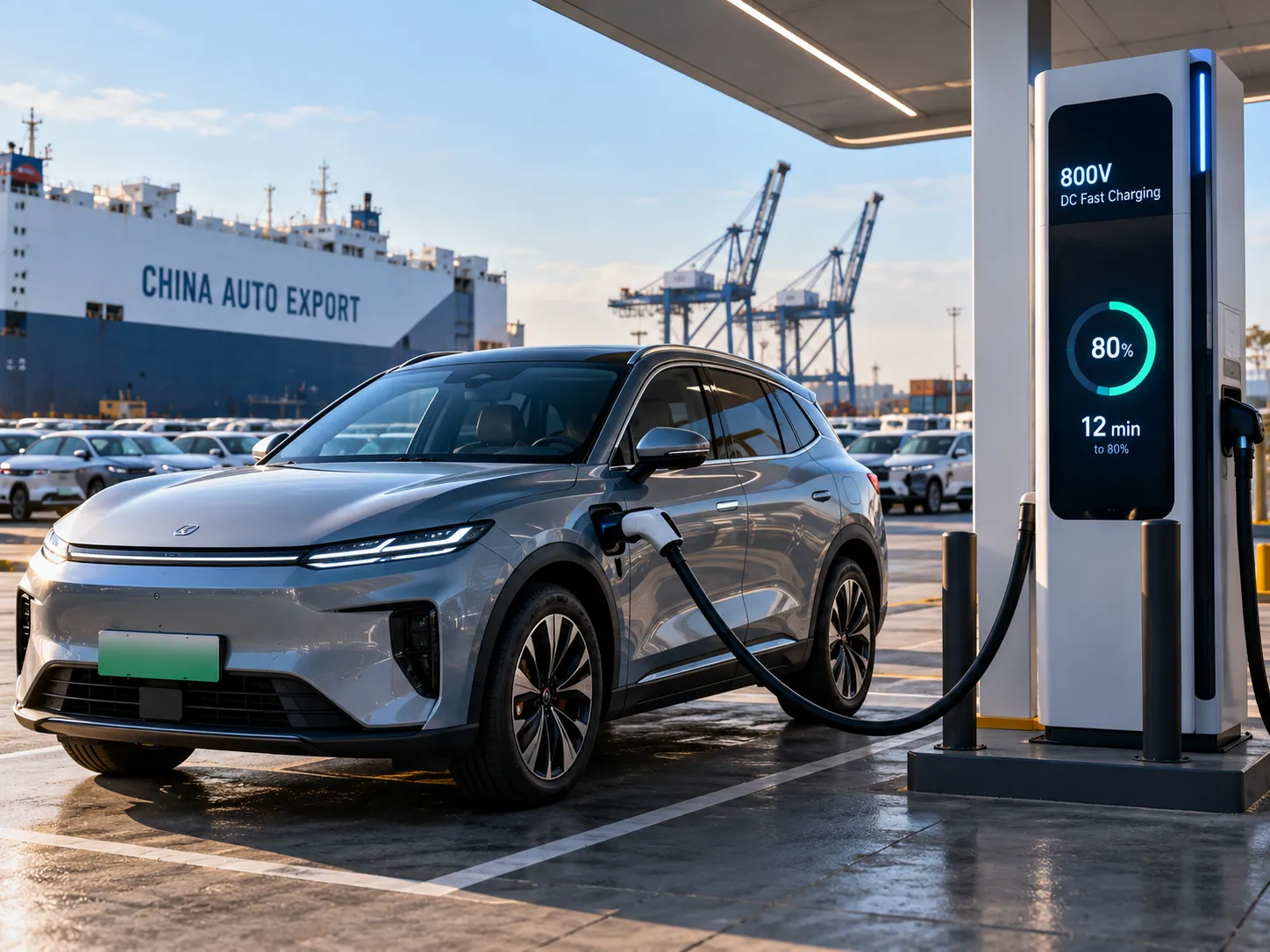
The purchase price of a vehicle in China is only the first figure an international buyer should consider. The actual cost of putting that vehicle into commercial use can include domestic transport, inspection, export documentation, port handling, ocean freight, insurance, import duties, local taxes, customs clearance, compliance work, registration, storage, and pre-sale preparation. For a dealer, distributor, or fleet operator, the relevant number is therefore the landed cost of a saleable vehicle, not the supplier's initial quotation.
This distinction is especially important when comparing suppliers. A vehicle with a lower EXW or FOB price can become more expensive than another vehicle once freight, taxation, regulatory work, and local preparation are included.
What Costs Should International Buyers Add to the Chinese Vehicle Price?
A practical sourcing calculation should separate the transaction into four layers: vehicle acquisition, China-side export costs, international logistics, and destination-market costs.
| Cost Layer | Typical Items |
|---|
| Vehicle acquisition | Vehicle price, sourcing costs, domestic transaction charges |
| China-side export | Inspection, preparation, inland transport, documentation, port handling |
| International logistics | Ocean freight, insurance, destination port charges |
| Destination market | Import duty, VAT/GST, customs clearance, registration and compliance |
| Commercial operation | Storage, repairs, warranty reserve, financing and dealer costs |
Not every vehicle will incur every charge, and the amount can vary considerably by destination. The important point is to calculate these items before purchasing rather than treating them as costs that can be dealt with after shipment.
China's current used-vehicle export framework requires exported used vehicles to satisfy specified quality requirements and to undergo third-party inspection. Where the destination country has market-access standards, the exporter must also declare that the vehicle meets those requirements.
Why Can an Attractive EXW Quotation Become Expensive?
EXW pricing can make vehicle sourcing look straightforward because the buyer sees a relatively low supplier-side price. However, EXW does not represent the cost of getting a vehicle into an overseas showroom.
The buyer may still need to arrange collection, domestic transportation, export procedures, port handling, international freight and subsequent import formalities. Even where the buyer chooses another Incoterm, the quotation should be examined carefully to determine exactly which costs are included.
This is why professional buyers should request a complete commercial quotation rather than comparing only the vehicle unit price.
When evaluating an auto exporter, for example, an international buyer should ask whether the quotation includes inspection, inland transportation, export documentation and shipping coordination, and which expenses remain payable by the buyer.
How Do Import Duties and Local Taxes Change the Final Vehicle Cost?
Import duty is determined by the destination country's tariff system and the vehicle's classification. The applicable tax treatment can also depend on whether the vehicle is new or used, its powertrain, customs value, country of origin and local tax rules.
For that reason, there is no universal percentage that can be applied to every vehicle imported from China.
A dealer should establish the destination-market tax structure before committing to inventory. The calculation should include both the initial customs burden and any taxes or fees required before the vehicle can be registered and sold.
The distinction becomes even more important for electric vehicles. A vehicle may have a competitive purchase price but face different taxation, certification or market-access requirements from an equivalent internal-combustion model.
What Hidden Costs Can Appear After the Vehicle Reaches the Port?
Port arrival does not mean the vehicle is ready for retail sale.
Depending on the destination, buyers may encounter terminal handling charges, storage, customs clearance, inspection, homologation, registration, roadworthiness testing, software configuration, equipment replacement, detailing and mechanical preparation.
Regulatory compatibility can also become a major cost. In the European Union, vehicle type approval covers safety, environmental and conformity-of-production requirements before a vehicle type can be placed on the market.
This means a buyer cannot assume that a vehicle legally exported from China is automatically ready for registration in every destination country. Export compliance and destination-market approval are related but separate questions.
How Should Buyers Calculate the Landed Cost of a Chinese Vehicle?
A useful working formula is:
Landed Cost = Vehicle Price + China-Side Costs + Freight + Insurance + Destination Charges + Import Taxes + Compliance Costs + Local Preparation
For commercial buyers, one further calculation is necessary:
Expected Gross Margin = Expected Selling Price − Landed Cost − Sales and Warranty Costs
This second calculation prevents a common sourcing error: selecting a vehicle simply because the acquisition price appears low.
Suppose two vehicles have a similar target retail price. Vehicle A costs less in China but requires additional certification, more expensive shipping, difficult spare parts and extensive pre-sale preparation. Vehicle B costs slightly more to purchase but arrives with fewer compliance issues and stronger local support. The second vehicle may ultimately provide a more predictable commercial result.
The comparison should therefore be made on the basis of landed economics rather than supplier price.
Does a Higher-Priced Used Car Always Have a Higher Total Cost?
No. Purchase price is only one variable in the cost structure.
A more expensive vehicle may have better equipment, stronger demand, easier parts availability, lower preparation costs or better resale liquidity. Conversely, a cheap vehicle can generate additional costs through repairs, certification, storage and weak market demand.
This is why international buyers should evaluate vehicle condition and destination-market demand alongside price.
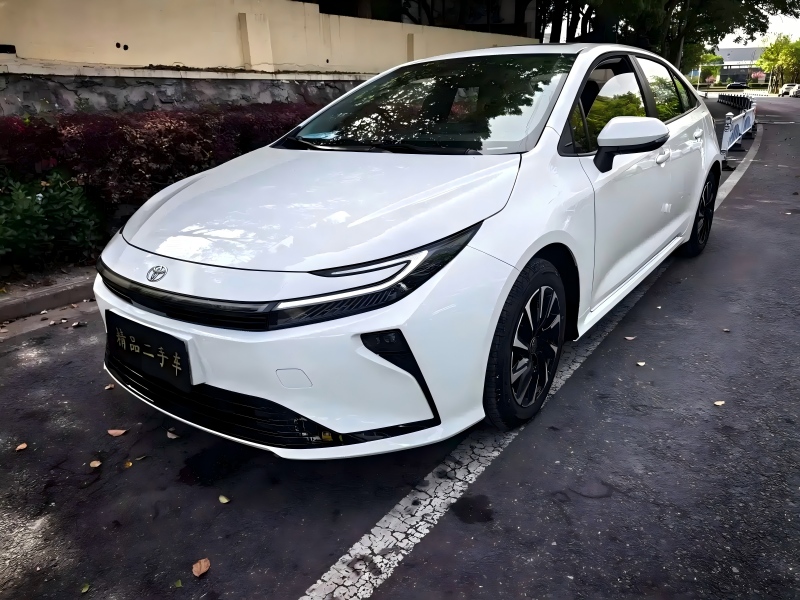
For example, when sourcing toyota used cars, a dealer should compare model year, mileage, configuration, maintenance history and local resale demand rather than selecting inventory exclusively according to the lowest purchase quotation.
The same principle applies when evaluating geely used cars. A buyer should consider not only the acquisition price but also whether the model fits local customer preferences, whether parts can be obtained efficiently and whether local technicians can support the vehicle.
What Documents Should an International Buyer Request?
A professional sourcing request should cover the vehicle itself and the export transaction.
The buyer should request the VIN, production date, registration information, mileage, configuration, inspection report, ownership documentation, maintenance records where available, export status, commercial invoice, export contract, Incoterm and shipping information.
For used vehicles, China's current export framework requires a third-party inspection report and documentation supporting the vehicle's export. Export enterprises are also responsible for truthful vehicle information and quality traceability.
The buyer should review these documents before payment rather than treating them as administrative paperwork to be completed later.
How Can Buyers Reduce Unexpected Sourcing Costs?
The most effective approach is to create a destination-specific landed-cost sheet before confirming the order.
The sheet should contain the vehicle price, estimated China-side charges, freight, insurance, destination port costs, import taxes, regulatory expenses and expected local preparation.
It should also include a contingency allowance for costs that cannot be confirmed until customs clearance or physical inspection.
For larger orders, buyers should calculate the landed cost on a per-unit basis and compare several vehicle configurations. This helps identify whether a lower purchase price genuinely improves the economics of the shipment.
The same process can be used when comparing different suppliers. A supplier offering transparent documentation and a clearly defined export process may provide a more predictable total transaction cost than one offering an unusually low vehicle quotation without a complete cost breakdown.
Frequently Asked Questions
Is the Chinese vehicle price the final import cost?
No. The purchase quotation normally represents only one part of the total acquisition cost. Freight, taxes, customs, compliance and local preparation can materially change the final figure.
What Is Landed Cost in Vehicle Importing?
Landed cost is the total cost of bringing the vehicle into the destination market and making it commercially usable, including the vehicle price, logistics, taxes, compliance and related charges.
Should Import Taxes Be Calculated Before Buying?
Yes. Import duties and local taxes can significantly change the commercial viability of a vehicle, so they should be included in the sourcing calculation before payment.
Does Export Inspection Guarantee That a Vehicle Can Be Registered Overseas?
No. China's export inspection and the destination country's registration or type-approval requirements are separate matters. A vehicle must satisfy the relevant requirements of the importing market.
What Is More Important: Vehicle Price or Landed Cost?
For a commercial buyer, landed cost is the more useful figure because it reflects what the buyer actually spends to put the vehicle into the destination market.
What Should a Chinese Vehicle Exporter Include in a Quotation?
The quotation should clearly identify the vehicle specification, price, Incoterm, inspection arrangements, export documentation, shipping assumptions and which China-side or destination-side costs remain payable by the buyer.
Conclusion
International vehicle sourcing becomes much easier to evaluate once the purchase price is treated as the beginning of the calculation rather than the final answer. A successful transaction depends on understanding the complete cost chain from Chinese supplier to destination-market sale.
For dealers and distributors, the most useful sourcing strategy is to calculate landed cost before committing capital, verify the vehicle's documentation and condition, and then compare the expected resale economics in the destination market. This approach provides a more reliable basis for purchasing decisions than headline vehicle prices alone.
External References
Zhongan TikTech (Anhui) Co., Ltd.
Zhongan TikTech (Anhui) Co., Ltd., a Conch Group SOE, exports quality new & used vehicles globally with 40+ years' foreign trade expertise.

 EN
 fr
 es
 ru
 pt